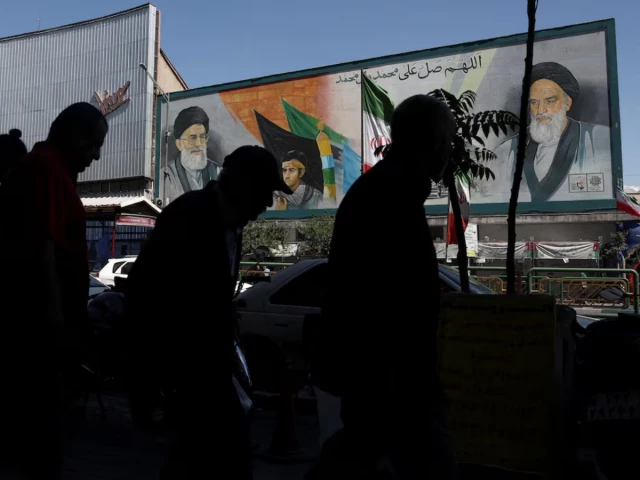
Mojtaba Khamenei warned Tuesday that the United States would no longer enjoy a “safe haven” in the Gulf region following fresh American military strikes against Iranian targets, sharply escalating rhetoric despite ongoing diplomatic efforts between Tehran and Washington.
In a message released through Iranian state-linked channels and social media, the Iranian supreme leader declared that regional nations would no longer act as protective shields for American military bases.
“The United States will no longer have a safe haven for its mischief and for establishing military bases in the region,” Khamenei said in remarks tied to the Eid Al-Adha and Hajj period.
The statement came only hours after the US military confirmed fresh “self-defence” strikes inside southern Iran targeting missile systems and vessels allegedly preparing to lay naval mines.
Iran Issues New Warning After US Military Action
The latest escalation has raised fears that the fragile ceasefire reached earlier this year could collapse amid increasing military activity across the Gulf region.
According to the Islamic Revolutionary Guard Corps (IRGC), Iran reserves the “legitimate and definite” right to retaliate against any ceasefire violations.
Iranian state media reported that:
- Iranian air defences allegedly downed a US MQ-9 drone
- Additional US aircraft entered Iranian airspace before retreating
- Iranian forces fired warning shots at hostile aircraft
US Says Strikes Were Defensive
The US military said Monday’s operations targeted:
- Missile launch systems
- Naval vessels allegedly laying mines
- Threats to American forces near the Strait of Hormuz
US officials described the attacks as defensive actions intended to protect American personnel and ensure maritime security in one of the world’s most strategically vital shipping routes.
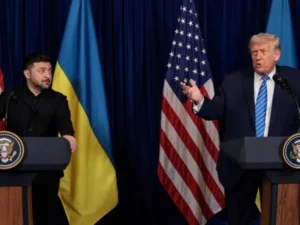
Secretary of State Marco Rubio said negotiations with Iran could still succeed but warned the Strait of Hormuz “has to be open one way or the other.”
Diplomatic Talks Continue Despite Escalation
Even as tensions rise, indirect negotiations between Washington and Tehran continue through regional mediators.
Officials confirmed Iranian negotiators recently traveled to Qatar for discussions involving:
- Strait of Hormuz security
- Iran’s enriched uranium stockpile
- Sanctions relief
- Release of frozen Iranian assets
Qatar, however, denied reports that it had offered Iran $12 billion to finalize a settlement agreement.
China Calls for Peaceful Resolution
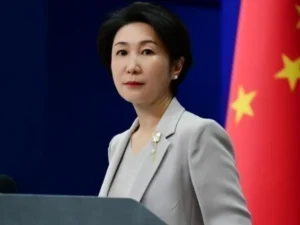
Earlier Tuesday, China urged all parties to honour ceasefire commitments and avoid further escalation.
Chinese Foreign Ministry spokesperson Mao Ning said disputes should be resolved through dialogue and negotiations rather than military confrontation.
Strait of Hormuz at Center of Crisis
The continuing standoff has placed renewed focus on the Strait of Hormuz, through which roughly one-fifth of the world’s oil and liquefied natural gas supplies normally pass.
Since fighting erupted earlier this year:
- Commercial shipping traffic has fallen sharply
- Oil prices have experienced major volatility
- Global energy markets remain under pressure
Iran has repeatedly linked negotiations to:
- Reopening maritime routes
- Ending sanctions
- Recognition of regional sovereignty
- Withdrawal of hostile military pressure
Regional Security Concerns Intensify
The latest rhetoric from Tehran signals increasing concern among Gulf states hosting US military installations.
The United States maintains extensive military infrastructure across:
- Bahrain
- Qatar
- United Arab Emirates
- Saudi Arabia
Iranian officials have repeatedly argued that regional countries should not facilitate American military operations against Tehran.
Israel-Hezbollah Tensions Also Rising
At the same time, regional instability has expanded beyond Iran.
Benjamin Netanyahu said Israel would intensify strikes against Hezbollah positions in Lebanon, further increasing fears of broader regional conflict.
Israeli forces reportedly carried out strikes in Lebanon’s Bekaa Valley shortly after Netanyahu’s comments.
Analysis: Gulf Region Faces Dangerous Crossroads
Khamenei’s latest warning reflects how fragile the current ceasefire environment has become despite ongoing diplomatic negotiations.
The renewed US strikes and Iran’s increasingly direct threats suggest:
- Military mistrust remains extremely high
- Diplomacy is under growing pressure
- Regional powers fear wider escalation
- Energy markets remain vulnerable
For Iran, projecting strength toward US bases serves both domestic and geopolitical purposes, especially amid ongoing negotiations over sanctions and nuclear issues.
For Washington, maintaining military pressure while pursuing diplomacy reflects a strategy aimed at deterring Iranian escalation without abandoning negotiations entirely.
Analysts warn that any miscalculation involving:
- US military assets
- Gulf shipping routes
- Iranian airspace
- Regional proxy groups
could rapidly trigger a broader Middle East conflict with global economic consequences.