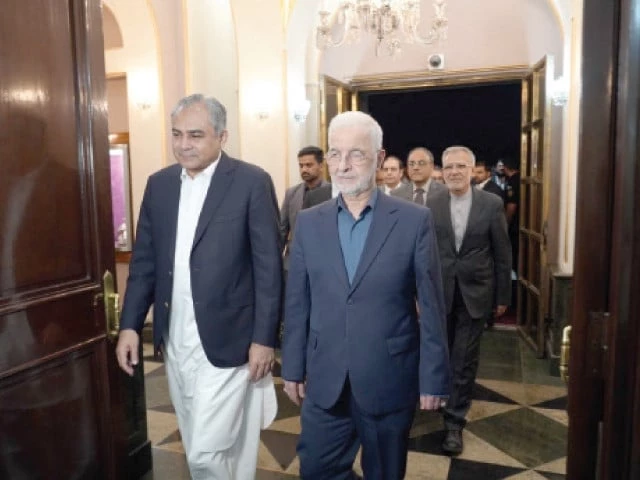
TEHRAN/ISLAMABAD: Pakistan’s Interior Minister Mohsin Naqvi arrived in Tehran on Saturday on a significant diplomatic mission amid growing regional tensions and ongoing efforts to promote dialogue and stability in the Middle East.
According to Iranian state media, Naqvi is carrying an important message from Pakistan’s Chief of Defence Forces, Field Marshal Syed Asim Munir, to Iran’s Supreme Leader, Ayatollah Seyyed Mojtaba Khamenei, highlighting the continued high-level engagement between Islamabad and Tehran.
The visit comes at a crucial time as diplomatic efforts continue regarding regional security, Iran-US negotiations, and broader geopolitical developments affecting the Middle East.
High-Level Diplomatic Mission
Iran’s state news agency reported that Naqvi’s visit followed extensive consultations in Islamabad, including discussions with Prime Minister Shehbaz Sharif and senior Pakistani leadership.
Sources familiar with the development said the interior minister has been entrusted with delivering a special message from Field Marshal Asim Munir to the Iranian leadership, reflecting the strategic importance both countries attach to bilateral communication.
No official details regarding the contents of the message have been made public.
Received by Iranian Counterpart
Upon arrival in Tehran, Mohsin Naqvi was received by Iranian Interior Minister Eskandar Momeni, according to Iranian media reports.
The two sides are expected to discuss a range of issues, including bilateral relations, border security cooperation, counterterrorism efforts, regional peace initiatives, and developments surrounding ongoing diplomatic engagements involving Iran.
Officials from both countries have repeatedly emphasized the importance of maintaining close coordination to address common security and economic challenges.
Pakistan Closely Monitoring Regional Developments
Sources indicated that Prime Minister Shehbaz Sharif provided specific guidance to Naqvi regarding ongoing diplomatic discussions linked to Iran-US negotiations and regional stability efforts.
Pakistan has consistently advocated dialogue, diplomacy, and peaceful engagement as the preferred means of resolving regional disputes.
In recent months, Islamabad has intensified diplomatic outreach with regional and international stakeholders, positioning itself as a constructive partner supporting peace and stability across the region.
Focus on Regional Stability
Diplomatic observers view Naqvi’s visit as part of Pakistan’s broader strategy to maintain active engagement with neighboring countries while contributing to efforts aimed at reducing tensions in the Middle East.
The visit also underscores the importance of Pakistan-Iran relations at a time when regional security dynamics continue to evolve.
Both countries share a long border and have frequently cooperated on matters relating to border management, trade, security coordination, and regional connectivity.
Growing Diplomatic Engagement
Pakistan and Iran have maintained regular high-level contacts in recent months as regional developments continue to shape security calculations across South Asia and the Middle East.
Analysts note that continued diplomatic communication between Islamabad and Tehran is essential for addressing mutual concerns and promoting regional peace.
The reported message exchange between senior Pakistani and Iranian leadership reflects ongoing efforts to strengthen bilateral understanding and support diplomatic solutions to emerging challenges.
Looking Ahead
While official details remain limited, Naqvi’s visit is being closely monitored by diplomatic circles due to its timing and significance.
The trip highlights Pakistan’s increasing role in regional diplomacy and its continued emphasis on dialogue, cooperation, and peaceful conflict resolution.
Observers believe the visit could contribute to strengthening Pakistan-Iran relations while supporting broader diplomatic efforts aimed at maintaining stability across the region.