Germany has officially joined UK-led international talks focused on ensuring the safety of maritime navigation in the strategically vital Strait of Hormuz. The move comes amid growing global concern over potential disruptions in one of the world’s most critical oil transit routes.
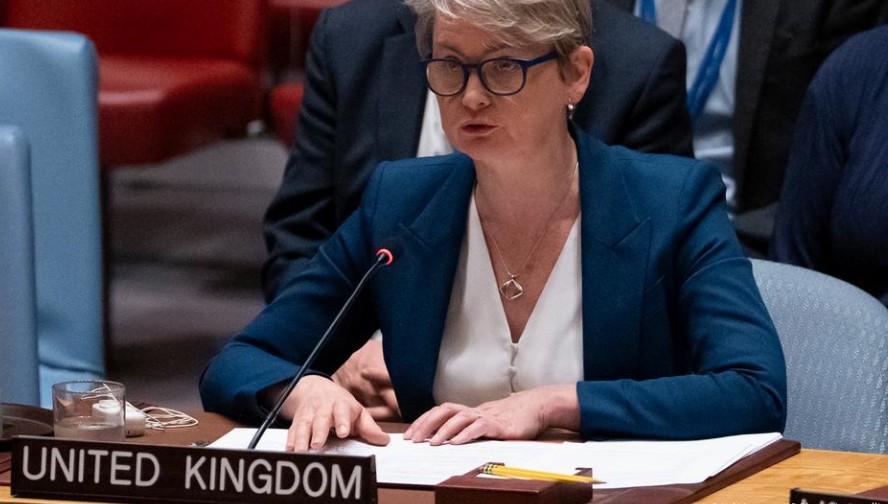
The negotiations are being spearheaded by UK Foreign Secretary Yvette Cooper, who is set to chair a virtual meeting on Thursday involving approximately 35 countries.
Global Coalition Forms to Protect Key Maritime Route
Germany’s participation brings it alongside key international partners, including France, Italy, Canada, and the United Arab Emirates. Together, these nations aim to explore strategies to restore and maintain freedom of navigation through the Strait of Hormuz.
This narrow waterway is a crucial artery for global energy supplies, handling a significant portion of the world’s oil shipments. Any disruption in this region can have immediate and far-reaching impacts on international markets.
US Signals Shift in Responsibility
Notably, the United States is not expected to participate in the talks. This follows recent remarks by President Donald Trump, who suggested that maintaining open shipping lanes in the Strait of Hormuz should be the responsibility of countries that rely on it.
Trump stated that the waterway could “naturally reopen,” indicating a potential shift in US policy toward reduced direct involvement in securing the route.
Timing Amid Heightened Geopolitical Concerns
The talks come at a time of heightened tensions in the Middle East, where security risks have raised alarms about the safety of commercial shipping. The Strait of Hormuz, located between Iran and Oman, remains one of the most strategically sensitive chokepoints in global trade.
Any escalation in the region could lead to disruptions in oil supply chains, driving up global energy prices and affecting economies worldwide.
Energy Security at the Core of Germany’s Concerns
For Germany, securing access to energy resources remains a top priority. The country relies heavily on stable global supply routes, and any obstruction in the Strait of Hormuz could pose serious risks to energy availability and price stability.
German officials view participation in the UK-led initiative as essential to safeguarding economic interests and ensuring uninterrupted energy flows.
Focus on Restoring Freedom of Navigation
The primary objective of the discussions is to identify practical measures to guarantee safe and uninterrupted maritime traffic. These may include coordinated naval patrols, enhanced intelligence sharing, and diplomatic engagement to reduce tensions in the region.
Experts note that a multilateral approach is critical, given the global dependence on the Strait of Hormuz for oil and gas transportation.
Germany’s decision to join UK-led talks underscores the growing urgency among global powers to protect vital shipping routes in the Strait of Hormuz. With the United States stepping back from direct involvement, other nations are increasingly taking the lead in ensuring maritime security and stability in the region.
As discussions unfold, the outcome of these negotiations could play a pivotal role in shaping global energy security and trade dynamics.