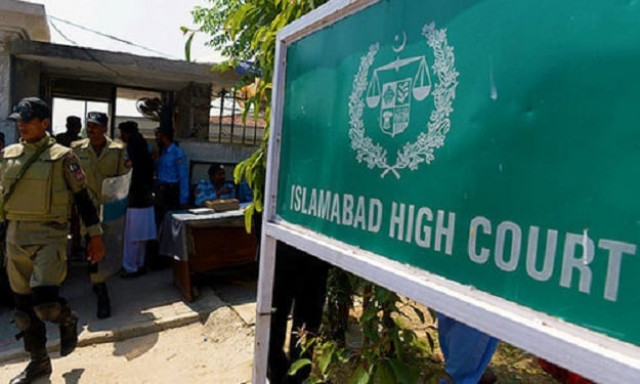
ISLAMABAD — The Islamabad High Court (IHC) has declared null and void the recommendations of the 29th meeting of the High Power Selection Board, in which juniors were recommended for promotion from Grade 21 to Grade 22 while overlooking senior officers.
In a detailed 63-page judgment, Justice Inaam Ameen Minhas also struck down the rule that permanently disqualified officers from promotion after being considered twice but not elevated to Grade 22, terming the amendment unlawful.
Challenge to Board Constitution
The court, however, rejected a plea challenging the legality of the board’s constitution without the prime minister and held that the meeting chaired by Deputy Prime Minister Ishaq Dar was in accordance with the law.
The verdict was issued in a case filed by seven Grade 21 bureaucrats—Muhammad Asad Islam Madni, Murtaza Khan, Sohail Ali Khan, Asif Saifullah Paracha, Aamir Zulfiqar Khan, Owais Nauman Kundi, and Amna Imran—against their non-promotion to Grade 22. Their petitions were partially accepted.
Unlawful Promotion Bar Struck Down
The court observed that Pakistan’s promotion framework could not bar officers from future consideration solely on the basis of being overlooked twice, noting that such a rule deprived officers of advancement even if they improved their service record.
Findings on Negative Assessments
Referring to the minutes of the board meeting, the judgment stated that the officers were denied promotion on the basis of negative assessments regarding integrity, competence, and decision-making ability, and were labelled as having average or below-average capability.
The court found that such conclusions were not adequately supported by material on record and directed that promotion decisions must rely strictly on official service dossiers rather than personal impressions or unverified information.
Integrity Allegations Without Basis
It further noted that adverse findings regarding integrity were recorded against Sohail Ali Khan, Murtaza Khan, and Amna Imran, but no basis for such conclusions existed in their service records, nor was the negative material shared with the officers concerned.
The board had also recorded observations about financial integrity and questionable financial reputation of certain officers, which the court said required formal departmental proceedings if substantiated.
Improper Exercise of Discretion
The judgment held that denying promotion on the basis of alleged doubtful integrity while allowing an officer to continue serving in Grade 21 reflected improper exercise of discretion.
Such an approach, the court noted, effectively stigmatizes an officer without due process, deprives them of rightful promotion, and allows the alleged allegations to lapse without any formal inquiry or penalty.
Implications
The ruling sets a significant precedent for promotion processes within the federal bureaucracy, reinforcing that decisions affecting officer careers must be grounded in documented service records rather than subjective assessments, and that no officer can be permanently disqualified from future consideration based solely on prior non-selection.