Iran has called on BRICS nations to formally condemn what it described as US and Israeli aggression, as regional tensions continue to intensify across the Middle East.
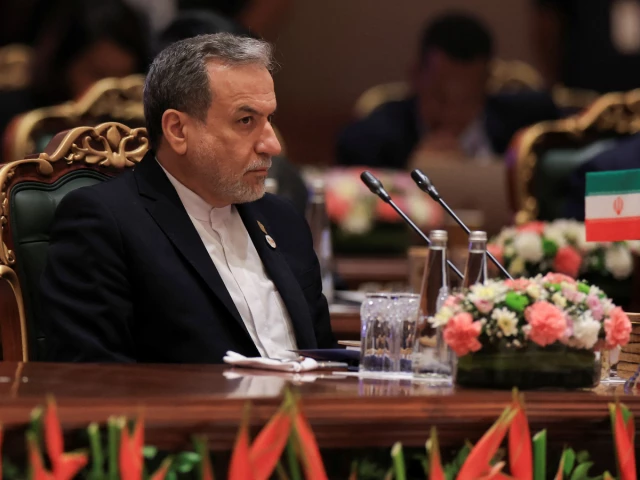
Speaking upon arrival in New Delhi for a BRICS foreign ministers meeting, Iranian Foreign Minister Abbas Araghchi said the Global South must challenge what he called the West’s “false sense of superiority.”
The remarks come amid growing instability involving Iran, Israel, and the United States, with diplomatic efforts to ease the crisis showing little progress.
Iran Defends Strait of Hormuz Policy
During an interview with Press TV, Araghchi addressed concerns surrounding the strategically important Strait of Hormuz.
He claimed the primary obstacle in the shipping lane was the US blockade, while insisting that the waterway remains open for commercial traffic.
According to Araghchi:
- Commercial ships can continue using the route
- Coordination with the Iranian navy is required for passage
- Iran is not blocking commercial vessels
The Strait of Hormuz is one of the world’s most critical energy corridors, handling nearly 20% of global oil and liquefied natural gas shipments before the conflict escalated.
Israel Expands F-35 Fighter Jet Capabilities
Meanwhile, Israel announced a new defence agreement aimed at strengthening its long-range military capabilities.
Israel’s Defence Ministry confirmed a contract worth more than $34 million to develop extended-range systems for the F-35 Adir fighter aircraft.
The agreement was signed with Cyclone, a subsidiary of Elbit Systems.
According to officials, the project includes:
- Development of external fuel tanks
- Increased operational range
- Reduced dependence on aerial refueling
- Improved flexibility for long-range missions
The enhancement is expected to strengthen Israel’s operational capabilities amid ongoing regional tensions.
Trump’s China Visit Overshadowed by Iran Conflict
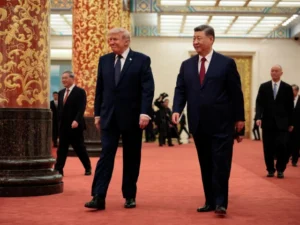
The conflict with Iran is also dominating discussions surrounding Donald Trump’s visit to China.
The visit marks Trump’s first trip to China since 2017 and comes at a time when peace negotiations regarding the Iran conflict remain stalled.
Analysts say Washington hopes Beijing can use its close ties with Tehran to help reduce tensions.
US Secretary of State Marco Rubio stated that the United States wants China to play a more active role in persuading Iran to alter its actions in the Persian Gulf.
Oil Prices and Global Economic Concerns
The ongoing conflict is having significant economic consequences globally.
Rising instability in the Gulf region has contributed to:
- Higher oil prices
- Increased shipping costs
- Inflationary pressure on global markets
The situation is becoming a growing political issue in the United States as well, particularly ahead of upcoming elections.
The Trump administration has called on Iran to:
- End threats involving the Strait of Hormuz
- Abandon its nuclear program
- Reduce military escalation in the region
Iran, however, has demanded compensation for war-related damages and an end to sanctions and blockades.
Chinese Oil Tankers Continue Through Hormuz
Despite tensions, commercial traffic through the Strait of Hormuz continues.
Recent ship-tracking data showed a Chinese supertanker carrying Iraqi crude oil successfully passed through the channel, highlighting Beijing’s ongoing economic ties in the region.
Japan-linked oil tankers have also reportedly crossed the Strait in recent days, reflecting the continued importance of Gulf energy supplies to Asian economies.
Before the conflict, Japan relied on the Gulf region for approximately 95% of its oil imports.
Regional Alliances Continue to Shift
The conflict is also reshaping diplomatic relationships across the Middle East.
Reports emerged suggesting Benjamin Netanyahu held undisclosed talks with Mohammed bin Zayed Al Nahyan regarding regional cooperation.
Although the United Arab Emirates denied the reports, tensions between Iran and Gulf nations continue to rise.
Iran has warned Gulf states against aligning too closely with Israel, accusing regional actors of contributing to instability.
Nuclear Issue Remains Central
At the center of the crisis remains the issue of Iran’s nuclear program.
US Vice President JD Vance stated that Washington’s main objective is ensuring Iran never acquires nuclear weapons.
Iran has repeatedly denied seeking nuclear arms, insisting its nuclear activities are for peaceful purposes.
The latest developments highlight how rapidly the Middle East conflict is evolving into a broader geopolitical crisis.
From Iran’s calls for BRICS support to rising military preparations by Israel and renewed US-China diplomacy, the situation is reshaping global alliances and economic stability.
As tensions continue, the international community faces growing pressure to prevent further escalation and avoid deeper disruption to global energy markets and regional security.
FAQ Section (SEO Boost)
Why did Iran call on BRICS nations?
Iran urged BRICS members to condemn what it described as US and Israeli aggression amid escalating regional tensions.
What is happening in the Strait of Hormuz?
Iran says the Strait remains open for commercial shipping, although concerns remain due to military tensions and security risks.
Why is Trump visiting China?
Trump is seeking China’s assistance in addressing the Iran conflict and broader regional instability.
Why is Israel extending the range of its F-35 jets?
Israel says the upgrade will improve long-range operational capabilities and reduce dependence on aerial refueling.