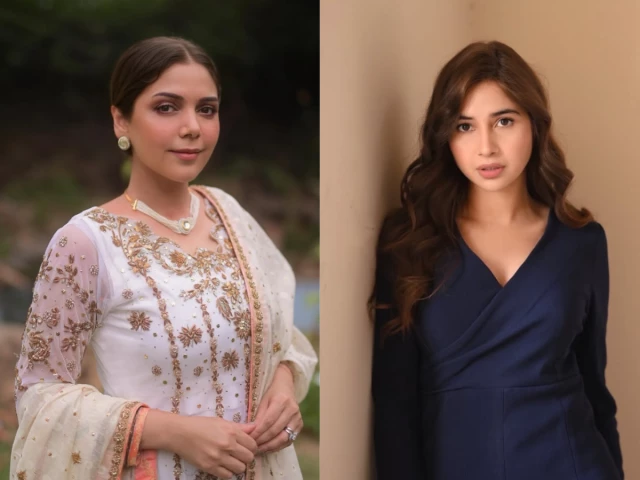
MUMBAI – In an industry where lineage often opens doors that talent alone must struggle to unlock, Kriti Sanon has carved out a space through perseverance and craft. The actress, who made her Bollywood debut in 2014 with “Heropanti,” has built a career that now includes critically acclaimed performances, commercial successes, and a National Award for Best Actress for her role in “Mimi.”
But the journey, she revealed in a candid conversation, was far from straightforward. “I don’t hail from a film family or have any connections,” Kriti said. “So yes, it can feel a bit overwhelming in Mumbai, but I genuinely feel the industry has welcomed me warmly from the very start, from my debut film, and I am truly thankful for that.”
Acknowledging the Reality
Kriti did not shy away from the realities of an industry where star children often have a head start. When asked if she had ever missed out on roles to star kids, her response was immediate and honest: “Countless times. Even if not a star kid, then someone else.”
The admission cuts to the heart of a debate that has roiled Bollywood for years, intensified by the tragic death of actor Sushant Singh Rajput in 2020 and the subsequent public outcry against perceived industry gatekeeping. While Kriti’s tone was measured and reflective, her words acknowledged a reality that many outsiders face.
“Indeed, nepotism is present in every industry,” she observed. “It may take time to receive the opportunities you truly desire. However, if you put in the effort and remain committed, you will eventually achieve it. You simply need to keep improving your skills and stay determined without giving up.”
Talent, Not Lineage, Determines Longevity
For Kriti, the conversation about nepotism is inseparable from the conversation about talent and audience connection. While connections may open doors, she argued, only genuine resonance with viewers ensures a lasting career.
“If I have a child who wishes to pursue acting, they will have easier access because of the connections I have,” she acknowledged, addressing the generational nature of privilege. “But ultimately, it is talent that ensures longevity. You might secure a few opportunities quickly, but it is your resonance with the audience that determines whether you remain or fade away.”
The perspective is notable coming from an actress who has consistently worked to expand her range. From her debut as a newcomer opposite Tiger Shroff to her National Award-winning turn as a surrogate mother in “Mimi,” from the commercial success of “Luka Chuppi” to the critically acclaimed “Bareilly Ki Barfi,” Kriti has demonstrated the kind of versatility that sustains a career beyond initial opportunities.
“Many actors today do not come from film backgrounds and are thriving,” she noted. “Ultimately, talent is what truly matters.”
The Outsider’s Journey
Kriti’s path to Bollywood is emblematic of the outsider’s journey. Born in New Delhi, she earned a degree in Electronics and Communication Engineering before pursuing modeling and eventually acting. The transition from engineering to acting is itself a testament to the kind of determination she now advocates.
Reflecting on her journey, Kriti acknowledged that each newcomer faces unique challenges. The overwhelming nature of Mumbai, the constant auditioning, the uncertainty of whether effort will translate into opportunity—these are experiences she knows intimately.
But she also emphasized the warmth she received from the industry. “I genuinely feel the industry has welcomed me warmly from the very start,” she said, a sentiment that may surprise those who view Bollywood as uniformly unwelcoming to outsiders.
The Broader Context
Kriti’s comments come at a time when the conversation around nepotism in Bollywood has evolved from a binary debate—insiders versus outsiders—to a more nuanced discussion about access, privilege, and the structures that shape opportunity.
While star children undoubtedly have advantages—name recognition, industry networks, often a ready-made audience—the success of actors like Kriti, Ayushmann Khurrana, Rajkummar Rao, and others demonstrates that talent can and does break through. The question is less whether outsiders can succeed, and more what it takes for them to do so, and whether the industry is doing enough to level the playing field.
Kriti’s emphasis on skill development and determination speaks to the individual responsibility of the artist. But her acknowledgment of the “countless times” she lost roles to others—whether star kids or not—speaks to the systemic challenges that remain.
Looking Ahead
As Kriti continues to build her career—with projects including the much-anticipated “The Crew” alongside Tabu and Kareena Kapoor Khan—her voice on the issue of nepotism carries weight. She is neither a star kid defending privilege nor a bitter outsider blaming the system. Instead, she offers a perspective shaped by experience: yes, the system is imperfect; yes, outsiders face obstacles; but talent, persistence, and connection with audiences ultimately determine who stays.
“For the longest time, I’ve chosen films that I genuinely connected with—whether they were big productions or smaller films,” she has said in previous interviews. The strategy has served her well. From commercial entertainers to character-driven dramas, Kriti has built a filmography that resists easy categorization.
Her message to aspiring actors is pragmatic rather than romantic. The path is difficult. The industry has its biases. But success is possible for those who are willing to work for it, to improve constantly, and to remain determined.
“You simply need to keep improving your skills and stay determined without giving up,” she said. It is advice born of experience—and a reminder that in an industry often accused of being closed to outsiders, there are still doors that can be opened by talent and persistence.
A Voice of Nuance in a Polarized Debate
Kriti Sanon’s comments on nepotism arrive at a moment when the discourse around privilege in Bollywood has often been reduced to stark binaries: insiders versus outsiders, victims versus beneficiaries. Her measured perspective offers a welcome nuance.
By acknowledging that she has lost roles “countless times” while also expressing gratitude for the industry’s welcome, Kriti refuses the trap of victimhood. By recognizing that her own future children would have advantages she did not, she confronts the generational nature of privilege without using it as an excuse for inaction.
Perhaps most significantly, she centers the conversation where it belongs: on the work. Talent, she argues, is what ultimately determines longevity. Connections may open doors, but it is resonance with audiences that keeps them open.
For aspiring actors from non-film backgrounds, Kriti’s words offer both realism and hope. The challenges are real, she acknowledges. But so too is the possibility of success—for those willing to do the work, to persist through rejection, and to keep improving.
In an industry that has sometimes been accused of being closed to outsiders, Kriti Sanon stands as evidence that the doors are not locked. They are, however, heavy. And it takes determination to push them open.