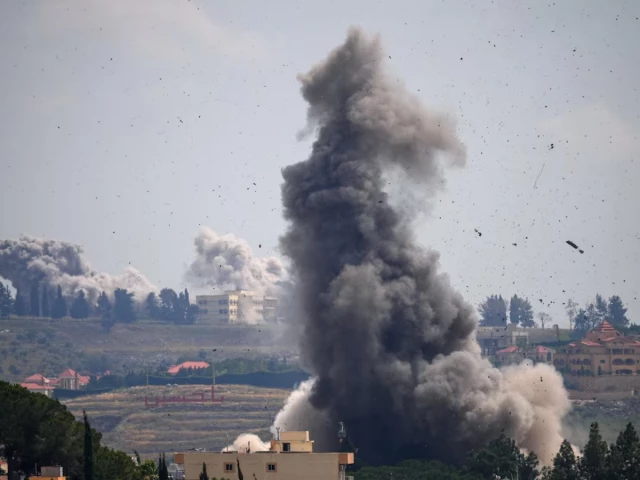
BEIRUT: Several Lebanese military personnel, including a senior army officer, were killed on Saturday after an Israeli airstrike targeted a Lebanese Army vehicle in southern Lebanon, further increasing tensions despite ongoing ceasefire efforts.
According to the Lebanese Armed Forces, the attack struck a military vehicle traveling along the Khardali-Nabatieh road in southern Lebanon. The army confirmed the deaths through an official statement but did not immediately disclose the total number of casualties.
Senior Officer Among Those Killed
Lebanon’s state-run National News Agency (NNA) reported that a brigadier general in the Lebanese Army and his driver were killed when their four-wheel-drive vehicle was struck on the Khardali-Jarmaq road in the Nabatieh region.
The identities of the victims have not yet been officially released, while authorities continue to assess the full extent of the casualties and damage caused by the strike.
The incident marks one of the most serious attacks involving Lebanese military personnel since the current round of hostilities began earlier this year.
Ceasefire Remains Under Pressure
The latest strike comes despite a fragile ceasefire that remains in place between Israel and armed groups operating in Lebanon.
International mediators, including the United States and regional partners, have been engaged in diplomatic efforts aimed at preserving the truce and preventing a broader escalation across the region.
However, military operations and cross-border incidents have continued, raising concerns about the long-term sustainability of the ceasefire agreement.
Rising Casualties in Lebanon
According to Lebanese officials, Israeli military operations conducted since March 2 have resulted in the deaths of more than 3,550 people and injured over 10,800 others across the country.
The ongoing violence has caused extensive damage to infrastructure, displaced thousands of civilians, and placed significant strain on Lebanon’s healthcare and emergency response systems.
Humanitarian organizations have repeatedly warned that continued hostilities could worsen an already severe humanitarian crisis.
International Calls for Restraint
The latest attack is expected to intensify international calls for restraint and renewed diplomatic engagement.
Regional governments and international organizations have urged all parties to respect ceasefire arrangements and avoid actions that could trigger a wider conflict in the Middle East.
Analysts warn that attacks involving state military personnel could further complicate ongoing negotiations aimed at reducing tensions between Israel, Lebanon, and regional actors.
Regional Stability at Risk
Security experts say continued violations of the ceasefire could undermine efforts to restore stability in southern Lebanon and increase the risk of broader confrontation.
As diplomatic efforts continue, attention is likely to focus on whether both sides can maintain commitments to de-escalation while addressing ongoing security concerns.
The Lebanese government has not yet announced any retaliatory measures but is expected to raise the issue through diplomatic and international channels.