



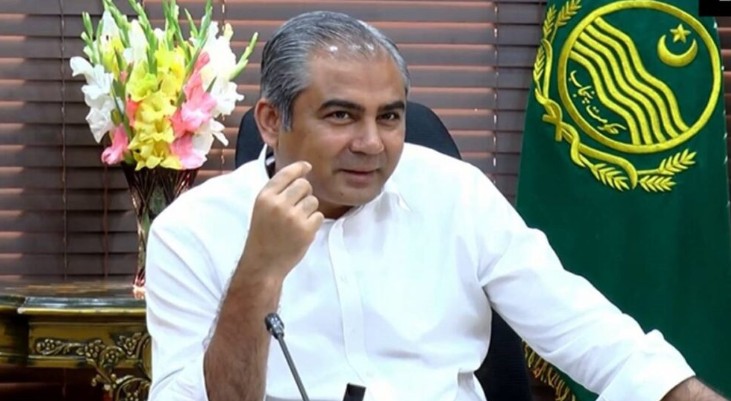
Pakistan Interior Minister Mohsin Naqvi Honors Martyrs in Eid Message, Calls for Unity Amid Global Challenges
As millions across Pakistan celebrate Eid-ul-Fitr, marking the end of the holy month of Ramadan, Interior Pakistan security forces Eid
Minister Mohsin Raza Naqvi delivered a message that blended festivity with reflection, urging citizens to embrace unity, compassion, and remembrance—particularly for those who made the ultimate sacrifice for the nation.
A Message Beyond Celebration
In his official Eid greeting, Naqvi emphasized that Eid-ul-Fitr is not merely a time of joy and festivity, but a powerful reminder of the spiritual discipline cultivated during Ramadan. He highlighted values such as patience, self-restraint, and devotion, which Muslims practice throughout the fasting month, urging that these principles should extend into everyday life.
According to the minister, Eid symbolizes more than personal happiness—it represents collective responsibility. He encouraged citizens to actively include marginalized and underprivileged communities in their celebrations, reinforcing the idea that true joy lies in sharing.
Remembering the Nation’s Heroes
A central theme of Naqvi’s message was a heartfelt tribute to Pakistan’s martyrs. He acknowledged the sacrifices made by members of the armed forces and law enforcement agencies, stating that the peace and security enjoyed by the nation today are the direct result of their courage and dedication.
He stressed that these sacrifices are not forgotten, adding that the families of martyrs deserve continuous recognition and support. This message resonates deeply in a country that has endured years of security challenges, where the contributions of security personnel remain a cornerstone of national stability.
Security Forces on Duty During Eid
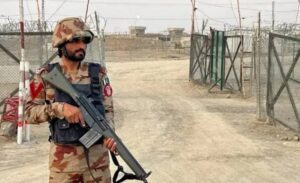
Naqvi also drew attention to the ongoing commitment of Pakistan’s security forces, many of whom spend Eid away from their families while performing their duties. He praised their resilience and dedication, noting that their vigilance ensures that citizens can celebrate safely.
This acknowledgment comes at a time when security remains a critical concern in the region, with ongoing efforts to maintain peace along borders and within major cities. His remarks highlight the often-overlooked sacrifices made not only on the battlefield but also in daily security operations.
Global Context: A Call for Muslim Unity
Rising Challenges Across the Muslim World
In a broader context, Naqvi’s message extended beyond Pakistan’s borders. He pointed to the increasing challenges faced by the global Muslim community, including political instability, humanitarian crises, and social divisions in various regions.
From conflict zones in the Middle East to humanitarian emergencies in parts of Africa and Asia, the Muslim ummah continues to grapple with complex issues. Naqvi’s call for unity and solidarity reflects a growing sentiment among leaders in Muslim-majority countries who are urging collective action and mutual support.
Emphasis on Compassion and Solidarity
The minister urged individuals to foster empathy and understanding in their daily interactions, emphasizing that unity begins at the grassroots level. His message aligns with the broader Islamic teachings of compassion, charity, and community cohesion—values that are especially emphasized during Ramadan and Eid.
He also encouraged prayers for Muslims facing (oppression) worldwide, highlighting the importance of spiritual solidarity in times of hardship.
🇵🇰 National Reflection: Eid in a Time of Transition
Strengthening Social Bonds
Eid-ul-Fitr in Pakistan is traditionally a time for family gatherings, charitable giving, and communal harmony. However, Naqvi’s message suggests a deeper reflection on the country’s current socio-political climate.
Pakistan continues to navigate economic challenges, security concerns, and political transitions. In this context, calls for unity and compassion take on added significance, serving as a reminder that national resilience depends on collective effort.
The Role of Leadership Messaging
Public messages from government officials during religious occasions often set the tone for national discourse. Naqvi’s emphasis on unity, sacrifice, and compassion reflects an attempt to reinforce social cohesion during a period that naturally brings people together.
Such messaging also plays a role in shaping public perception, encouraging citizens to look beyond personal celebrations and consider broader societal responsibilities.
International Reaction and Diplomatic Significance
While Naqvi’s statement was primarily directed at a domestic audience, its themes resonate internationally. Leaders across Muslim-majority nations often use Eid messages to address shared concerns and promote unity.
In recent years, similar messages from countries like Turkey, Saudi Arabia, and Indonesia have emphasized solidarity and humanitarian responsibility, particularly in light of ongoing global crises.
Naqvi’s remarks align with this broader diplomatic narrative, reinforcing Pakistan’s position within the global Muslim community and highlighting its commitment to shared values.
Conclusion: A Message of Hope and Responsibility
Interior Minister Mohsin Raza Naqvi’s Eid-ul-Fitr message goes beyond traditional greetings, offering a multifaceted reflection on faith, sacrifice, and unity. By honoring martyrs, acknowledging security forces, and calling for global solidarity, his message underscores the deeper significance of Eid in today’s world.
As Pakistan celebrates this joyous occasion, the minister’s words serve as a reminder that the true essence of Eid lies not just in celebration, but in compassion, remembrance, and collective responsibility.






One thought on “Mohsin Naqvi Eid Message Honors Martyrs, Calls Unity”