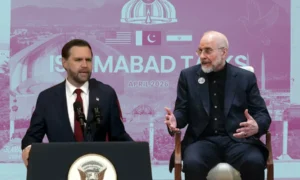
After nearly six weeks of intense conflict involving the United States, Israel, and Iran, Pakistan has successfully brokered a two-week ceasefire, positioning itself once again at the center of high-stakes global diplomacy.
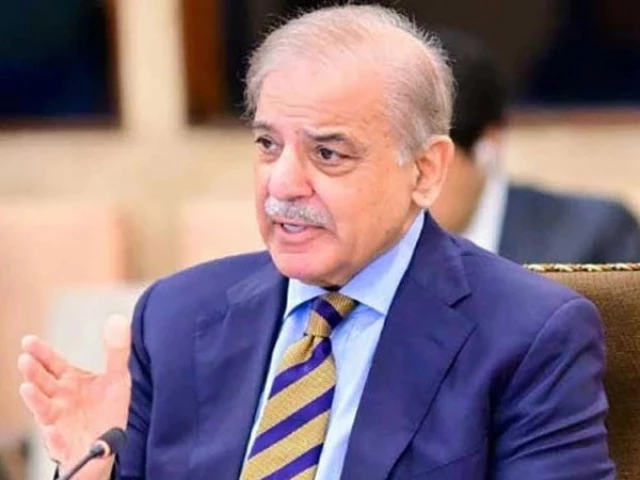
Prime Minister Shehbaz Sharif announced the breakthrough just hours before a critical deadline set by Donald Trump, who had warned of catastrophic consequences if tensions were not de-escalated and the Strait of Hormuz remained closed.
Global Praise for Pakistan’s Diplomatic Role
The ceasefire announcement was followed by swift international praise, with world leaders acknowledging Pakistan’s role in preventing further escalation in a conflict that had already disrupted global energy markets and regional stability.
Islamabad maintained a delicate balancing act throughout the crisis, avoiding alignment with any side while quietly facilitating communication between rival powers.
A Familiar Role in Global Diplomacy
Pakistan’s latest diplomatic success reflects a long-standing pattern of acting as a bridge between adversaries when direct communication breaks down.
One of the most notable examples dates back to 1971, when Pakistan facilitated secret contacts between Washington and Beijing. Then US Secretary of State Henry Kissinger secretly traveled via Islamabad, paving the way for Richard Nixon’s historic 1972 visit to China and his meeting with Mao Zedong.
That diplomatic breakthrough reshaped global geopolitics and led to the normalization of US-China relations.
From Cold War to War on Terror
Pakistan again played a pivotal role in the Geneva Accords, which facilitated the withdrawal of Soviet forces from Afghanistan, acting as a key intermediary between Afghan factions and global powers.
Decades later, Islamabad was instrumental in the Doha Agreement, helping bring the Taliban to the negotiating table and enabling a framework for ending America’s longest war.
Former diplomats, including Maleeha Lodhi, have credited Pakistan’s ability to maintain communication channels with multiple actors as critical to these breakthroughs.
The Cost of Mediation
Despite its repeated diplomatic successes, Pakistan’s role as a mediator has often come at a significant cost.
Following the Geneva Accords, the country faced a massive influx of Afghan refugees and long-term socio-economic challenges, including the spread of narcotics and weapons.
Similarly, the aftermath of the Doha Agreement saw a resurgence of militancy, particularly from the Tehreek-e-Taliban Pakistan (TTP), which intensified security challenges within Pakistan.
Strategic Gains Still Debated
Experts argue that while Pakistan has consistently demonstrated its diplomatic relevance, the tangible benefits of such efforts remain unclear.
Ambassador Masood Khalid noted that assessing gains or losses depends on the geopolitical context of each era, while others highlight the absence of long-term economic or security dividends.
Analysis: Diplomatic Influence Without Reward?
The latest ceasefire reinforces Pakistan’s reputation as a capable intermediary in complex global conflicts. However, it also revives a persistent question: does Pakistan benefit proportionately from its role?
While mediation enhances international standing and influence, the long-term outcomes often bring unintended consequences, from security threats to economic strain.
The Iran ceasefire could mark another chapter in Pakistan’s diplomatic legacy—but whether it translates into strategic or economic gains remains uncertain.
As global tensions continue to evolve, Pakistan’s ability to balance competing interests while safeguarding its own national priorities will be crucial in determining the true value of its role on the world stage.