ISLAMABAD: Pakistan will continue its diplomatic efforts to mediate between the United States and Iran, with government sources saying there is currently “no immediate danger” of a renewed war despite ongoing disagreements between Washington and Tehran.
Multiple officials familiar with the mediation process told Anadolu on Monday that both sides remain committed to pursuing diplomacy even after recent tensions surrounding US President Donald Trump’s rejection of Iran’s latest response to Washington’s proposed peace framework.
According to the sources, Islamabad believes both countries are still seriously exploring diplomatic options to avoid another military escalation in the Middle East.
“Pakistan does not see any immediate danger vis-a-vis resumption of war despite the ongoing deadlock, as Washington and Tehran are seriously pursuing a diplomatic way out to end the conflict,” one source said.
Officials also indicated that Trump’s upcoming visit to China is another factor reducing the likelihood of immediate hostilities, as Washington does not want renewed fighting to overshadow high-level diplomatic engagements with Beijing.
The latest tensions emerged after Trump publicly dismissed Iran’s response to the US peace proposal, calling it “totally unacceptable” in a post shared on Truth Social on Sunday.
Iran, however, responded by downplaying Trump’s remarks and insisted that his rejection “doesn’t matter at all.”
Despite the public exchange, Pakistani officials said back-channel diplomacy remains active, with several regional countries assisting Islamabad in efforts to bridge differences between the two sides.
According to the sources, countries including Qatar and Egypt are supporting Pakistan’s mediation initiative aimed at reviving direct negotiations between Washington and Tehran.
“Back-channel contacts are continuing despite harsh tones from both sides,” one source said.
Pakistan reportedly remains optimistic that direct talks can resume in the coming weeks, although officials acknowledged that significant disagreements still remain over Iran’s nuclear programme.
Sources familiar with Tehran’s response to the US proposal said there had been “no significant change” in Iran’s long-standing position regarding its nuclear activities.
According to officials, Iran’s response — delivered to Washington through Islamabad last week — focused primarily on securing an immediate end to the war rather than addressing key American concerns over uranium enrichment and nuclear infrastructure.
Tehran reportedly proposed broader and separate negotiations on the nuclear issue, arguing that the matter was too complex to resolve within a limited ceasefire framework.
Iran also reiterated its willingness to temporarily halt uranium enrichment for five years but rejected Washington’s demand for a 20-year suspension, the sources said.
At the same time, Tehran reportedly refused to dismantle its underground nuclear facilities, insisting that its nuclear programme was not intended for weapons development.
According to the sources, Iran proposed launching formal nuclear negotiations within a month after a ceasefire agreement is reached.
The discussions also included regional security and economic issues.
Iran reportedly expressed readiness to reopen the strategically important Strait of Hormuz in exchange for an end to the US naval blockade of Iranian ports.
Tehran also repeated demands for the release of billions of dollars in frozen Iranian assets, compensation for war-related damages, and the lifting of US and international sanctions imposed on the country.
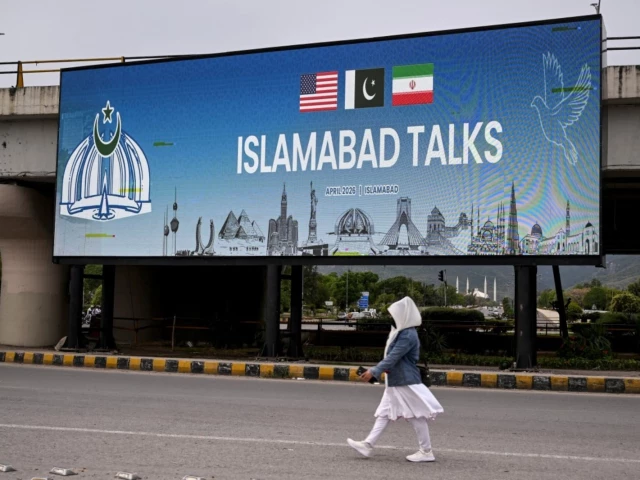
Pakistan has played an increasingly visible diplomatic role in the crisis since brokering a two-week ceasefire between the United States and Iran on April 8.
That ceasefire was followed by critical talks in Islamabad on April 11 and 12 involving senior delegations from both countries. However, negotiations failed to produce a final agreement to permanently end the conflict.
Since then, both sides have continued exchanging proposals and counter-proposals in search of common ground for a second round of direct talks.
The ongoing conflict has already disrupted global energy markets, threatened maritime shipping routes, and increased geopolitical tensions across the Middle East.
Despite the deadlock, Pakistani officials believe diplomatic engagement remains active and that regional mediators are still working to prevent another escalation.