RAWALPINDI – Amid an acute financial and economic crisis in Punjab, the provincial government has granted final approval to abolish nearly 150,000 vacant posts ranging from Grade 1 to 16 across all departments. Implementation has commenced, and all such positions will be eliminated before the 2026–27 budget, with directives issued not to allocate funds for these posts in the upcoming fiscal plan.
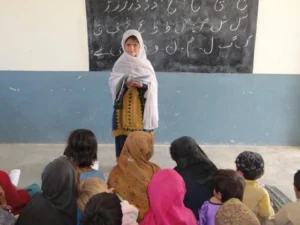
The largest share of cuts has been imposed on the education sector, where 30,391 posts (Grades 1–16) have been abolished. The Punjab Finance Department has formally issued a notification in this regard.
Education Sector Hit Hardest
The eliminated positions include primary, middle, and high school teachers, as well as non-teaching staff such as watchmen, helpers, naib qasids, clerks, and assistants. These posts, spread across schools and education offices throughout the province, had remained vacant for the past three years.
In a second phase, a further 30,000 teaching posts are expected to be abolished later this month. According to the notification, the removal of 30,391 posts is intended to reduce the financial burden on the provincial exchequer.
Other Departments Affected
In addition, 221 posts have been abolished within the Punjab Prosecution Department and its affiliated institutions. The Finance Department has also issued notifications for the abolition of vacant posts across five departments, including positions such as watchmen, drivers, clerks, assistants, cashiers, and accountants.
Further Cuts
The Special Education Department has abolished 244 posts, the Agriculture Department has removed 5,199 positions, the Forestry Department has eliminated 753 posts, the Housing and Physical Planning Department has abolished 727 posts, and the Irrigation Department has removed 1,041 posts.
Sources further indicate that an additional 100,000 posts may be abolished in Punjab before June 30.
Teachers’ Organisations Condemn Move
Teachers’ organisations have strongly condemned the decision and announced protests. Leaders including Dr Sagheer Alam, Rana Liaqat, Shafiq Bhalowalia, and Chaudhry Shahzad described the move as “oppressive”, stating that the government is depriving people of employment rather than creating jobs.
They noted that no new recruitment has taken place over the past four years and warned that the decision would adversely affect the functioning of schools and public offices.
Clerks Association Criticism
The All Pakistan Clerks Association has also criticised the move. Its central vice-president Shahzad Kiani and divisional president Chaudhry Mubashir cautioned that, without strong resistance, up to 80% of government jobs could be eliminated, alleging that the education and healthcare systems are being undermined. They have demanded the immediate reversal of the decision and the initiation of fresh recruitment.
Analysis: Fiscal Austerity vs. Service Delivery
The abolition of nearly 150,000 vacant posts is a significant fiscal austerity measure. The Punjab government is facing an acute financial crisis, and eliminating positions that have remained vacant for three years reduces the fiscal burden without requiring layoffs of existing employees.
However, the decision has drawn sharp criticism from teachers’ and clerks’ associations. Their concerns are twofold: first, that the government is eliminating jobs rather than creating them; second, that the functioning of schools and public offices will be adversely affected.
The education sector has been hit hardest, with 30,391 posts abolished and another 30,000 expected. Teachers’ organisations argue that this will worsen the student-teacher ratio and undermine the quality of education.
The government’s position is that the posts had been vacant for three years, suggesting that they were not essential. But critics argue that the vacancies existed because of a hiring freeze, not because the positions were unnecessary.
As Punjab prepares its 2026–27 budget, the tension between fiscal austerity and service delivery will continue. The government has chosen austerity. The consequences for education and other public services remain to be seen.