ISLAMABAD – A parliamentary body was informed on Thursday that the country’s fuel supply could face further disruptions if regional tensions escalate, given the country’s heavy reliance on imports from the Gulf. The warning came during a meeting of the Senate Standing Committee on Petroleum, chaired by Manzoor Kakar, where officials briefed lawmakers on the status of imported oil and gas.
Officials from the Petroleum Division told the committee that the bulk of Pakistan’s petroleum products were sourced from Gulf countries, highlighting the structural dependence on the region. They added that approximately 45% of petroleum supplies destined for China also transit through these routes, highlighting broader geopolitical sensitivities.
LNG Supply Restoration Timeline
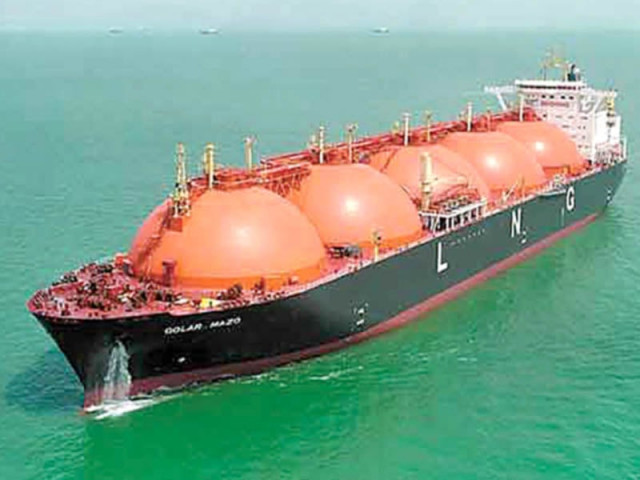
The committee was further informed that full restoration of LNG supply from Qatar could take two to three years, while currently available stocks would be sufficient for about one month. The extended timeline for LNG normalisation reflects the severity of the disruption caused by the Middle East conflict and the closure of the Strait of Hormuz.
Demand Patterns
During the briefing, officials noted that consumption of petroleum products had increased following recent price hikes, indicating shifting demand patterns. This counterintuitive trend — consumption rising as prices increase — may reflect the inelasticity of demand for essential fuels or the impact of economic activity recovering after the initial shock of the war.
Gas Supply Situation
Officials maintained that the gas situation had improved for now, while recalling that RLNG imports had historically been secured through long-term agreements. The Petroleum Division also stated that measures had been taken to ensure that gas extracted from domestic wells is directly fed into the national grid, in an effort to stabilise supply and improve distribution efficiency.
Analysis: A Precarious Energy Future
The warning from the Petroleum Division — that fuel supply could face further disruptions if regional tensions escalate — underscores Pakistan’s precarious energy situation. With the bulk of petroleum products sourced from Gulf countries, and with LNG flows from Qatar potentially taking two to three years to normalise, Pakistan remains vulnerable to any future escalation in the Middle East.
The fact that approximately 45% of petroleum supplies destined for China also transit through these routes highlights the broader geopolitical sensitivities. Any disruption affects not only Pakistan but also its largest trading partner.
The one-month stock of LNG is a buffer, but not a solution. If the ceasefire holds and the Strait of Hormuz reopens, supplies could resume sooner. If tensions escalate again, Pakistan could find itself facing another energy crisis.
The committee’s briefing serves as a reality check: the energy crisis triggered by the war is not over. Even if the ceasefire holds, the restoration of normal supplies will take time. For Pakistan, energy security remains a critical vulnerability.