
MOSCOW: Russia has expressed deep concern over the escalating conflict in the Middle East, calling for an immediate halt to military operations and a return to diplomacy amid growing fears of a wider regional war.
Speaking during a press briefing on Wednesday, Russian Foreign Ministry spokesperson Maria Zakharova said Moscow was closely monitoring developments following the latest exchange of attacks between the United States and Iran.
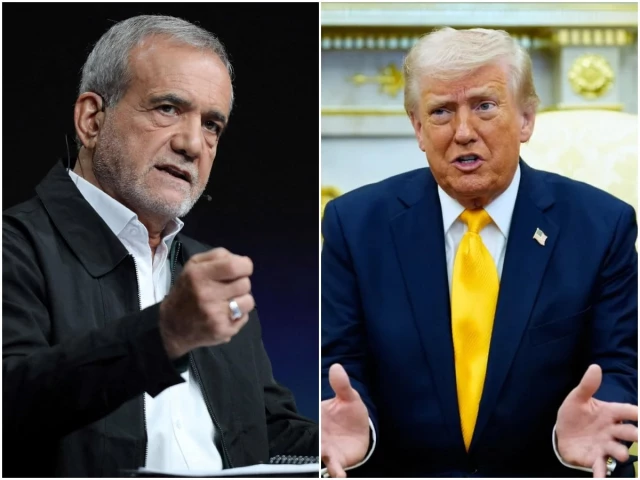
“We are extremely concerned about the new round of US-Iranian armed conflict,” Zakharova said, describing the situation as a dangerous escalation that threatens regional and international stability.
Russia Calls for Restraint
Zakharova urged all parties involved to exercise maximum restraint and immediately cease military strikes. She stressed that attacks targeting civilian infrastructure are unacceptable and risk worsening an already volatile situation.
According to the Russian Foreign Ministry, continued military action will only deepen instability across the Middle East and increase the possibility of a broader conflict involving additional regional actors.
Russia reiterated its long-standing position that diplomatic engagement remains the only viable path toward resolving disputes in the region.
Moscow Backs Political Solution
The Kremlin emphasized that there is no military solution to the crisis and called for negotiations based on international law and respect for the sovereignty of all states.
Zakharova said Russia remains ready to assist in diplomatic efforts aimed at reducing tensions and finding mutually acceptable solutions.
“Increasing attention is being paid to the security of the entire region. We hope for the situation to return to a political and diplomatic framework as soon as possible,” she said.
Russian officials have repeatedly warned that continued military confrontations could have severe consequences for global energy markets, international trade routes, and regional security.
Conflict Intensifies After US Strikes
The latest tensions follow US military strikes on targets in southern Iran. According to the US Central Command (CENTCOM), American fighter aircraft targeted Iranian air defence systems and radar installations near the Strait of Hormuz.
The strikes were reportedly carried out in response to the downing of a US Army Apache helicopter during operations in the strategic waterway.
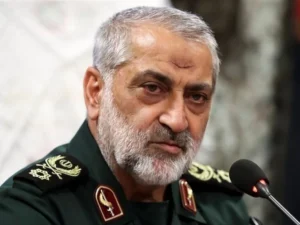
Iran’s Islamic Revolutionary Guard Corps (IRGC) later announced retaliatory attacks against multiple American military positions across the region.
Iranian officials said missiles and drones were launched at US military installations, further raising concerns that the fragile ceasefire arrangements in the region could collapse entirely.
Regional Stability at Risk
Security analysts warn that renewed hostilities between Washington and Tehran could have far-reaching consequences beyond the Middle East.
The Strait of Hormuz remains one of the world’s most critical energy corridors, with a significant portion of global oil and liquefied natural gas shipments passing through the route. Any prolonged disruption could trigger higher energy prices and further strain global supply chains.
Russia’s intervention reflects growing international concern that continued escalation may undermine ongoing diplomatic efforts aimed at restoring stability in the Gulf region.
International Pressure Mounts
As tensions continue to rise, Moscow has joined other countries in urging both sides to avoid further military confrontation and prioritize dialogue.
Russian officials maintain that diplomatic negotiations remain the most effective way to prevent a broader regional conflict and restore long-term stability.
With military activity increasing and diplomatic channels under pressure, the coming days are expected to be critical in determining whether the crisis moves toward de-escalation or a deeper confrontation.