RIYADH – Saudi Arabia called on Tuesday for exercising restraint and supporting Pakistan-led mediation efforts to reach a political settlement between Iran and the US amid ongoing regional tensions. The Kingdom expressed concern regarding the “current military escalation in the region” and called for restoring maritime navigation in the Strait of Hormuz to its pre-war state.
“Saudi Arabia calls for de-escalation, restraint, and support for Pakistani mediation and diplomatic efforts to reach a political solution that prevents the region from sliding into further tension and instability, which would not serve the interests of the region and the world,” the Foreign Ministry said in a statement on X.
Riyadh also “calls for ensuring the safe and secure passage of vessels without restriction,” the statement added.
Escalation in the Gulf
The statement came as the situation escalated in the Gulf on Monday, with the United Arab Emirates accusing Iran of launching 15 missiles and four drones on its territory, and Tehran claiming it fired warning shots after US destroyers operating near the Strait of Hormuz ignored initial alerts.
Background of the Conflict
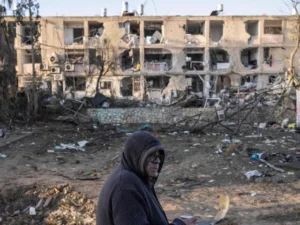
Regional tensions have escalated since the US and Israel launched strikes against Iran on February 28, triggering retaliation from Tehran against Israel as well as US allies in the Gulf, along with the closure of the Strait of Hormuz. The strategic waterway, through which approximately 20 percent of global oil passes, has been effectively shut since early March.
Ceasefire and Talks
A ceasefire took effect on April 8 through Pakistani mediation, but talks in Islamabad failed to produce a lasting agreement. The truce was later extended by US President Donald Trump without a set deadline. Iran has since submitted a 14-point revised proposal setting a one-month deadline for the US to end its naval blockade and the wars in Iran and Lebanon.
Saudi Arabia’s Position
Saudi Arabia’s call for restraint and support for Pakistani mediation reflects Riyadh’s interest in regional stability. The Kingdom has been directly affected by the conflict, with Iranian attacks targeting its territory. At the same time, Saudi Arabia has maintained channels of communication with Tehran and has supported diplomatic efforts to end the war.
Analysis: A Critical Moment for Diplomacy
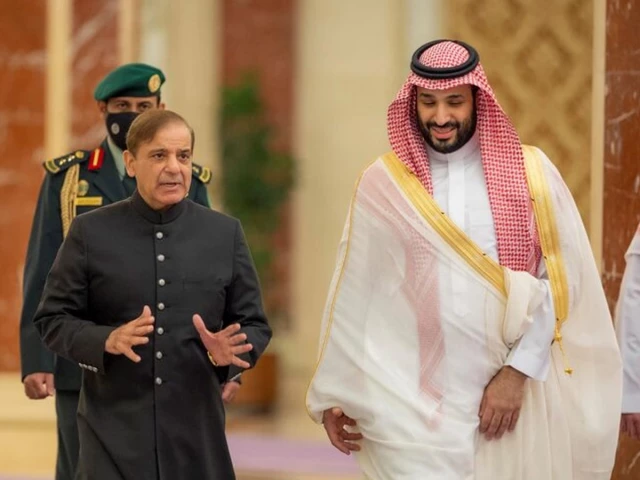
Saudi Arabia’s statement is a significant endorsement of Pakistan’s mediation role. Riyadh’s call for de-escalation and restraint — and its explicit support for Pakistani diplomatic efforts — adds weight to Islamabad’s position as an “honest broker.”
The reference to restoring maritime navigation in the Strait of Hormuz to its pre-war state is a key demand. The closure of the strait has disrupted global energy supplies, and Saudi Arabia, as the world’s largest oil exporter, has been directly affected.
The escalation in the Gulf — with the UAE accusing Iran of missile and drone attacks — underscores the fragility of the ceasefire. Despite the truce, attacks have continued.
As Iran’s one-month deadline approaches, the window for diplomacy is narrowing. Saudi Arabia’s call for restraint and support for Pakistani mediation is a welcome intervention. Whether it will be enough to bring the parties to a deal remains to be seen.