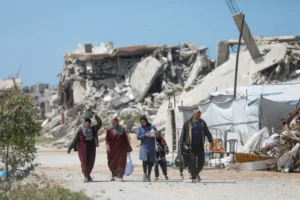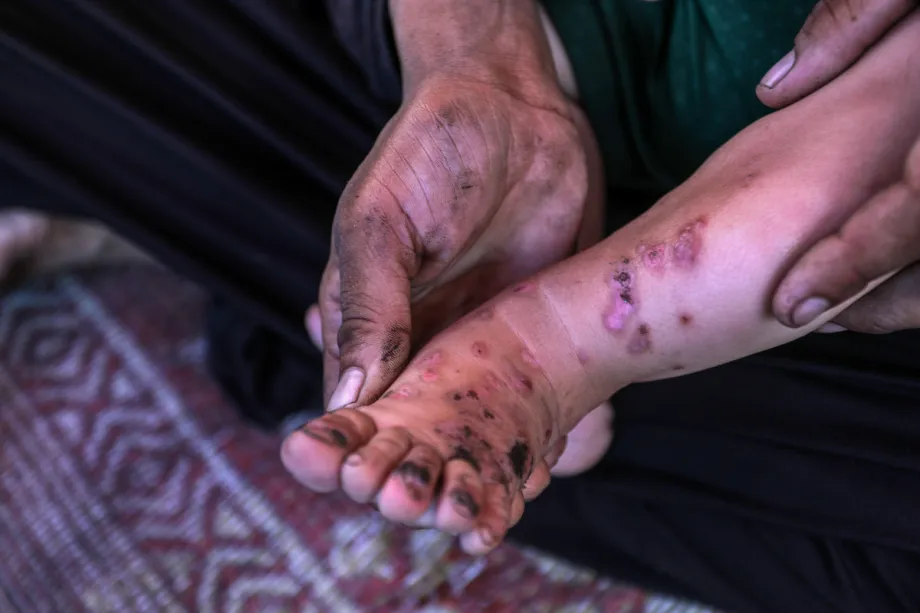
UNITED NATIONS – The UN warned on Wednesday of a drastic surge in skin infections and pest-related illnesses among displaced people across the Gaza Strip as humanitarian teams struggle to provide adequate shelter with severely limited resources, Anadolu reports.
“Teams on the ground say that pests and skin infections among people in Gaza is still on the rise,” said UN spokesperson Stephane Dujarric at a news conference. “In March, such infections have more than tripled in our own UN-run displacement sites.”
Alarming Figures
Dujarric said the crisis is “impacting almost 10,000 people compared with about 3,000 in January,” according to figures from the UN agency for Palestinian refugees in Gaza. The tripling of cases in just two months indicates a rapidly deteriorating health situation in the enclave.
Urgent Supplies Needed
He urged greater access for “the entry of anti-lice shampoo, lotions, hygiene supplies, pesticides and insecticides, to avert an even greater public health emergency and prevent further harm to civilians.”
Repurposing Supply Pallets for Shelter
On shelters, he said humanitarian partners have resorted to repurposing wooden pallets used to carry supplies into Gaza to construct emergency shelter units for displaced families. “By the start of this week, 20 shelters of this kind had been set up across Gaza and North Gaza governorates, offering some level of privacy and dignity to families,” he added.
Shelter Supplies Reaching Families
Dujarric reported that in March, UN partners brought in thousands of shelter items, including tens of thousands of bedding items, tarpaulins, and tents, reaching more than 45,000 families. He stressed that “more robust and longer-lasting shelter solutions are needed,” requiring “the entry of emergency shelter equipment and materials to repair damaged homes.”
Ceasefire Violations
Gaza’s Government Media Office said April 14 that Israel had committed 2,400 violations of a ceasefire agreement that was signed last October, including killings, arrests, blockade measures, and starvation. The ongoing violations have killed 784 Palestinians and wounded 2,214, according to Gaza’s Health Ministry.
Two Years of War
The agreement was reached after two years of a genocidal war launched by Israel on October 8, 2023, with US support. The war has since continued in various forms, killing more than 72,000 Palestinians, wounding over 172,000, and causing widespread destruction affecting 90% of the infrastructure in the enclave.
Analysis: A Preventable Health Crisis
The tripling of skin infections in UN-run displacement sites in Gaza is a preventable health crisis. The lack of hygiene supplies, anti-lice shampoo, and pesticides, combined with inadequate shelter, creates conditions where disease flourishes.
The fact that humanitarian partners have resorted to repurposing wooden pallets to build emergency shelters is a testament to the desperation of the situation. These pallets, designed to carry supplies, are now being used as walls and floors for families seeking privacy and dignity.
The 2,400 ceasefire violations — including killings, arrests, blockade measures, and starvation — suggest that the ceasefire exists in name only. The death toll since the ceasefire (784) is higher than many pre-ceasefire periods.
As the world focuses on the Iran-US conflict and the war in Lebanon, Gaza’s suffering continues. The UN’s warning about a “greater public health emergency” should be a wake-up call. But without access for the necessary supplies — and without a genuine ceasefire — the crisis will only worsen.