In a significant diplomatic development, U.S. President Donald Trump has announced a 10-day ceasefire agreement between Israel and Lebanon, offering a temporary pause in hostilities that have intensified regional instability in recent weeks.
The ceasefire, set to take effect Thursday evening, follows direct conversations between Trump, Israeli Prime Minister Benjamin Netanyahu, and Lebanese President Joseph Aoun. While the move has been welcomed globally, questions remain about whether this short-term truce can lead to lasting peace.
A Critical Pause in a Growing Conflict
The announcement comes after weeks of cross-border violence that has caused significant casualties and displacement, particularly in southern Lebanon. According to Trump, both leaders agreed to halt military operations to create an opportunity for diplomacy.
This marks the first meaningful diplomatic engagement between Israel and Lebanon in over three decades, signaling a potentially historic shift in regional dynamics.
Key Objectives of the Ceasefire
- Immediate suspension of military operations
- Facilitation of humanitarian aid delivery
- Opening channels for further negotiations
However, the agreement does not directly address the role of Hezbollah, a major factor in the conflict, leaving a critical issue unresolved.
International Community Welcomes the Move
Global leaders have responded positively to the ceasefire announcement, viewing it as a necessary step toward reducing violence and stabilizing the region.
The United Nations Secretary-General António Guterres expressed support for the initiative, emphasizing that diplomacy remains the only viable solution to the conflict.
Similarly, Ursula von der Leyen welcomed the temporary truce, describing it as a moment of relief while stressing the need for a permanent peace framework.
Growing Humanitarian Concerns
Despite the ceasefire, the humanitarian situation in Lebanon remains severe:
- Over one million people displaced
- Critical infrastructure damaged or destroyed
- Increasing demand for international aid
The pause in fighting is expected to allow relief organizations to expand their operations in affected areas.
Political Tensions Inside Israel
The ceasefire has sparked political debate within Israel. Prime Minister Benjamin Netanyahu reportedly informed his cabinet of the agreement without a formal vote, leading to criticism from political opponents.
Opposition leaders such as Yair Lapid and Avigdor Lieberman questioned the timing and effectiveness of the ceasefire.
Concerns Raised by Critics
- Lack of transparency in decision-making
- Uncertainty about security guarantees
- Concerns over Hezbollah’s continued presence
These internal divisions highlight the challenges Israel faces in balancing military objectives with diplomatic efforts.
Lebanon’s Position: Ceasefire as a Starting Point
Lebanon has cautiously welcomed the ceasefire while emphasizing that it should lead to a broader political solution.
President Joseph Aoun stated that a ceasefire is a necessary first step before any direct negotiations can take place. Lebanese authorities continue to stress the importance of sovereignty and territorial integrity.
Lebanon’s Key Demands
- Withdrawal of Israeli forces from southern Lebanon
- Deployment of Lebanese military in border areas
- Respect for national sovereignty
Lebanon also faces internal challenges, including managing tensions related to Hezbollah’s involvement in the conflict.
Fighting Continues Despite Ceasefire Announcement
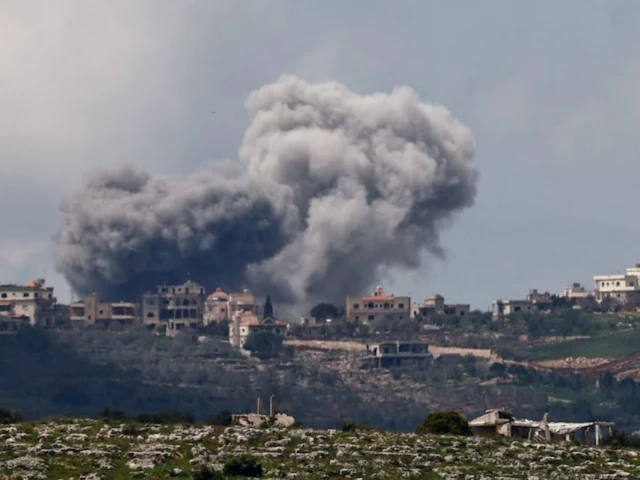
Despite the agreement, reports indicate that fighting has continued in parts of southern Lebanon, particularly in strategic المناطق such as Bint Jbeil.
Israeli airstrikes and Hezbollah rocket attacks have persisted, raising concerns about the durability of the ceasefire.
Impact of Ongoing Violence
- More than 2,000 fatalities reported in Lebanon
- Over 1.2 million people displaced
- Continued risk to civilians on both sides
The continuation of hostilities highlights the fragile nature of the agreement.
Broader Regional Implications
The Israel-Lebanon conflict is closely linked to wider tensions involving Iran and regional alliances. Hezbollah’s role as an Iran-backed group adds complexity to the situation, making the ceasefire part of a larger geopolitical puzzle.
Analysts suggest that stability in Lebanon could positively influence ongoing diplomatic efforts between the United States and Iran, potentially reducing the risk of a wider regional conflict.
Global Impact
- Potential stabilization of energy markets
- Reduced risk of regional escalation
- Increased role for international mediation
Can This Ceasefire Lead to Lasting Peace?
While the 10-day ceasefire offers a window for diplomacy, experts caution that it is only a temporary measure. Deep-rooted political, military, and ideological differences remain unresolved.
What to Watch Next
- Compliance with ceasefire terms
- Initiation of follow-up negotiations
- Role of Hezbollah in future agreements
- International diplomatic engagement
The coming days will be critical in determining whether this pause leads to meaningful progress or renewed conflict.
Conclusion
The announcement of a 10-day ceasefire between Israel and Lebanon represents a significant diplomatic effort at a time of heightened regional tension. While it provides temporary relief, the path to lasting peace remains uncertain.
The success of this initiative will depend on sustained diplomatic engagement, mutual concessions, and the willingness of all parties to move beyond conflict toward a stable and peaceful future.