Overview of the US-Iran Agreement
- Preliminary Agreement Signed: US President Donald Trump announced that a preliminary memorandum of understanding (MoU) has been signed by the US and Iran to end the US-Israel war on Iran. The deal extends a tenuous ceasefire by another 60 days and reopens the Strait of Hormuz, which Iran had blocked since the February attacks.
- Formal Signing: A formal signing ceremony is scheduled for Friday in Switzerland. Iranian Parliament Speaker Mohammad Bagher Ghalibaf will lead the Iranian delegation, while US Vice President JD Vance will attend.
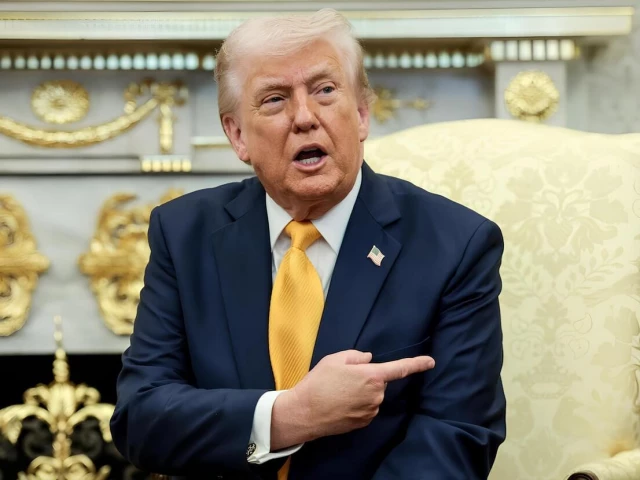
- Core Principle: Trump emphasized that the primary objective of the deal is to ensure Iran will never have a nuclear weapon. He stated, “The only thing that really matters to me is Iran will never have a nuclear weapon, and it says it loud and clear,” and warned, “If they do, all hell will rain down on them.”
- Congressional Review: Trump stated he would send the deal to Congress for review, a request he had not previously considered but now supports.
- Negotiation Timeline: A new round of negotiations to finalize the agreement will start on Friday in Switzerland, with a 60-day deadline. Trump expressed optimism that the next phase would proceed quickly.
Key Figures and Statements
- President Donald Trump (US):
- Denied that the US is providing financial payouts to Iran, calling such reports “fake news.”
- Clarified that any $300 billion reconstruction fund would come from regional allies (Gulf states), not US taxpayers.
- Rejected the idea of regime change in Iran, stating, “I don’t believe in regime change; I’ve watched regime changes for years; they never work.”
- Addressed the conflict in Lebanon, stating he told Israel he did not like its attack on Beirut and suggested Syria should handle Hezbollah. He also said Israeli Prime Minister Benjamin Netanyahu needs to be “more responsible” regarding Lebanon.
- Iranian Officials:
- Foreign Minister Abbas Araghchi: Warned that any Israeli attack on Lebanon or continued presence on Lebanese territory constitutes a violation of the interim agreement. He stated the two parties to the memorandum are “the US and Israel on one side, and Iran and Hezbollah on the other.”
- Deputy Foreign Minister Majid Takht-Ravanchi: Confirmed Switzerland as the venue for the signing and that the next round of negotiations will begin immediately after.
- Israeli Prime Minister Benjamin Netanyahu: Acknowledged differences with Trump over the conflict but stated he “stood firm” against Iran’s demand for an Israeli withdrawal from Lebanon. Israeli officials privately view the agreement as “terrible for Israel.”
- Qatari Officials:
- Emir Sheikh Tamim bin Hamad Al Thani: Thanked Trump for his leadership and expressed optimism that the deal would yield positive outcomes throughout the Middle East.
- Spokesperson Majed al-Ansari: Expressed hope the MoU would open navigation in the Strait of Hormuz to resume LNG supplies, and praised Pakistan’s role as the main mediator.
Specific Provisions and Contentions
- Reconstruction and Sanctions: The agreement includes a significant sanctions relief package and a potential $300 billion reconstruction fund. However, this fund is tied to performance and Iran making its economy “investable.” The capital would likely be managed through a framework for private companies.
- Nuclear Program: A later stage of negotiations will cover nuclear issues and sanctions relief. The agreement does not resolve the fate of Iran’s stockpile of enriched uranium but stipulates a 60-day period to negotiate details about Iran’s nuclear promises.
- Regional Security: Discussions will cover various issues including non-aggression pacts, the status of non-state armed groups, the Strait of Hormuz, and good neighbourly relations.
- Hormuz Strait: The US stated the strait will be open toll-free for 60 days, though Iran has suggested it will retain control with Oman.
International Response
- 17-Country Statement: A group of 17 countries, including the UK, France, Germany, and Italy, welcomed the MoU as an opportunity to restore regional stability. They called for the urgent reopening of the Strait of Hormuz and reiterated that Iran “must never acquire a nuclear weapon.” They expressed readiness to lift sanctions in response to verifiable steps by Iran.
Other Remarks
- Russia-Ukraine War: Trump stated that “Russia should make a deal” to end its war against Ukraine, citing the high casualties as “ridiculous.”
- Lebanon Conflict: Trump referred to the conflict in Lebanon as a “minor war,” stating, “Iran’s the big one, but we have that little pinprick out there that constantly rears its head, and that’s Hezbollah.”