At least 14 civilians, including two women and five children, were killed in artillery shelling by the paramilitary Rapid Support Forces (RSF) in Sudan’s South Kordofan state, a local medical group said Sunday. The attack targeted residential areas in the city of Dilling, adding to the mounting civilian toll in a conflict that has triggered one of the world’s worst humanitarian crises.
PORT SUDAN/CAIRO – The Sudan Doctors Network reported that the shelling, which occurred Saturday night, killed 14 civilians and injured 23 others, including seven children. The attack targeted residential neighborhoods in Dilling, a city that has been under siege by the RSF for more than two years.
According to the medical group, the city was subjected to heavy shelling for the second consecutive day by the RSF and the Sudan People’s Liberation Movement-North (SPLM-N). The attack occurred “amid extremely difficult humanitarian and health conditions and a shortage of medical personnel,” the network said in a statement.
A City Under Siege
Dilling, located in South Kordofan state, has been encircled by RSF forces for over two years, with residents facing severe shortages of food, medicine, and other essential supplies. The latest shelling represents a significant escalation in the siege, with residential areas bearing the brunt of the attack.
The Sudan Doctors Network called on the international community and humanitarian organizations to take immediate action “to stop the RSF violations and provide protection for civilians in Sudan.”
There was no immediate comment from the RSF on the reported attack.
The Broader Conflict
The attack in South Kordofan is the latest atrocity in a conflict that began in April 2023, when tensions between the Sudanese army and the RSF over plans to integrate the paramilitary force into the military erupted into full-scale war. The fighting has since spread across the country, with both sides accused of war crimes, including the targeting of civilians, sexual violence, and the destruction of civilian infrastructure.
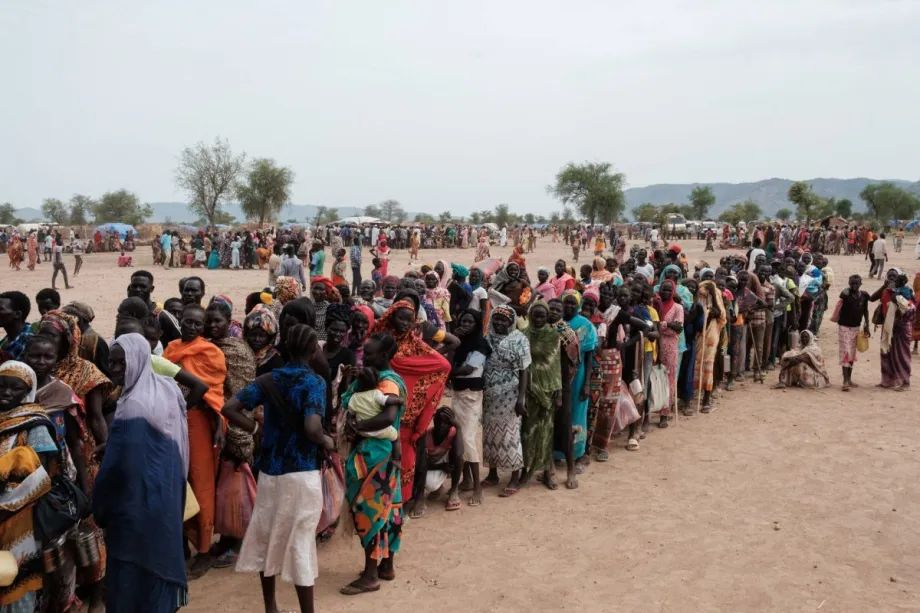
The conflict has triggered one of the world’s worst humanitarian crises. According to UN figures, tens of thousands of people have been killed, and nearly 13 million have been displaced—the largest displacement crisis globally. Famine has been declared in parts of the country, and millions face acute food insecurity.
South Kordofan’s Vulnerability
South Kordofan has been particularly hard-hit by the conflict. The state, which has a history of armed conflict predating the current war, has seen repeated attacks on civilian areas, with both the RSF and the SPLM-N accused of committing abuses against the civilian population.
The siege of Dilling has left residents trapped, with limited access to humanitarian aid. Medical supplies are scarce, and health facilities have been overwhelmed by the influx of wounded civilians.
International Response
The international community has been criticized for its slow and inadequate response to the Sudan crisis. Humanitarian appeals remain severely underfunded, and efforts to broker a ceasefire have repeatedly failed.
The attack in South Kordofan is likely to renew calls for stronger international action, including targeted sanctions against those responsible for atrocities and the imposition of no-fly zones or protected corridors to allow humanitarian access.
Humanitarian Catastrophe Deepens
The shelling of Dilling adds to a grim tally of civilian casualties in a war that has already claimed tens of thousands of lives. According to the UN, more than 15,000 people were killed in 2024 alone, though the actual figure is believed to be significantly higher due to underreporting.
The conflict has also devastated Sudan’s health system. Hospitals have been bombed, medical supplies looted, and health workers targeted. The Sudan Doctors Network, which reported the Dilling attack, has been documenting atrocities throughout the war, often at great personal risk.
Analysis: A War Without End
The shelling of residential areas in Dilling is a reminder that Sudan’s war shows no signs of abating. While international attention has largely shifted to the Middle East crisis, the conflict in Sudan continues to claim civilian lives at an alarming rate.
For the residents of Dilling, the latest attack is not an isolated event but part of a pattern of siege warfare that has defined the conflict in South Kordofan. The city has been encircled for two years; its residents have endured hunger, disease, and repeated bombardment. The recent escalation suggests that the RSF is seeking to tighten its grip on the area, regardless of the civilian cost.
The international community’s failure to stop the violence in Sudan stands in stark contrast to the intense diplomatic efforts being directed at the Middle East. For the millions of Sudanese displaced by the war, and for the residents of Dilling who buried their dead Sunday, the indifference of the world is another form of suffering.
As the conflict enters its third year, there is no end in sight. The RSF and the army remain locked in a struggle for control of the country, and civilians continue to pay the price. The attack in South Kordofan is a tragic reminder that in Sudan, as in so many other conflicts, the war continues—and the world looks away.