French President Emmanuel Macron has condemned Israel’s decision to prevent the Latin patriarch of Jerusalem from entering the Church of the Holy Sepulchre to celebrate Palm Sunday Mass, calling the move a violation of the status of Jerusalem’s holy sites. The incident, which the Latin Patriarchate said marked the first time in centuries that church leaders were barred from the sacred site, has drawn sharp international criticism.
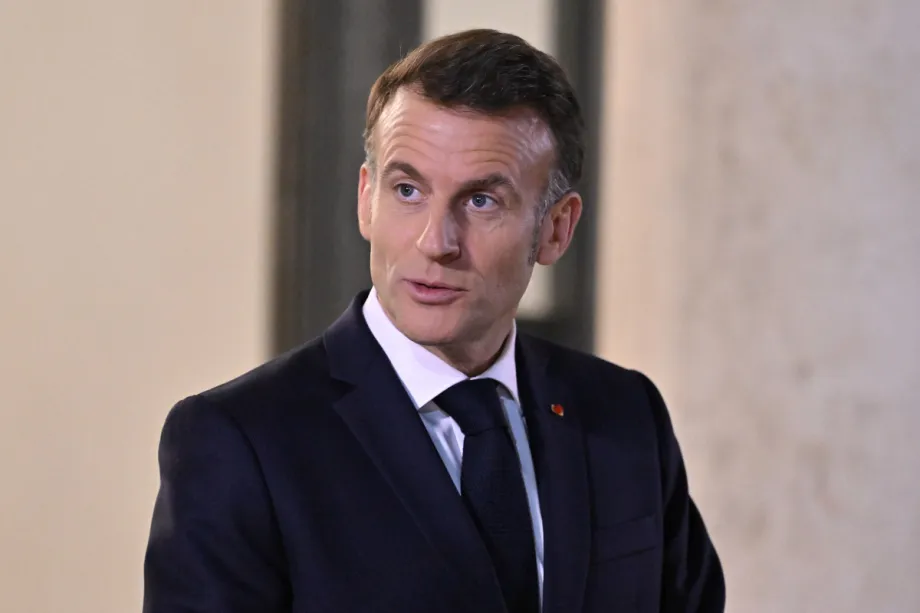
PARIS/JERUSALEM – In a strongly worded statement on Sunday, French President Emmanuel Macron denounced the Israeli police’s decision to block Cardinal Pierbattista Pizzaballa, the Latin patriarch of Jerusalem, from entering the Church of the Holy Sepulchre to celebrate Palm Sunday Mass—one of the holiest ceremonies on the Christian calendar.
“I condemn this decision by the Israeli police, which adds to the worrying increase in violations of the status of Jerusalem’s Holy Sites,” Macron wrote on the social media platform X. “The free exercise of worship in Jerusalem must be guaranteed for all religions.”
A Historic First
According to a statement from the Latin Patriarchate of Jerusalem, Cardinal Pizzaballa, along with the custos of the Holy Land, Father Francesco Ielpo, was stopped while heading privately to the Church of the Holy Sepulchre and “compelled to turn back.”
The patriarchate said the incident marked the first time in centuries that church leaders were prevented from celebrating Palm Sunday—the first day of Holy Week—at the Holy Sepulchre, one of the most sacred sites in Christianity. The church is traditionally believed to be the site of Jesus’s crucifixion, burial, and resurrection.
The Status Quo and Rising Tensions
The Church of the Holy Sepulchre is governed by a centuries-old arrangement known as the Status Quo, which defines the rights and responsibilities of the various Christian denominations with custodianship over the site. The arrangement has been maintained through Ottoman, British, Jordanian, and Israeli administrations.
Macron’s reference to “violations of the status of Jerusalem’s Holy Sites” reflects growing international concern over what many see as Israel’s increasingly assertive control over religious sites in the city. The French president expressed support for Cardinal Pizzaballa, voicing solidarity with the church leader.
International Reaction
The incident has drawn condemnation from Christian leaders and governments around the world. The Latin Patriarchate’s statement emphasized the unprecedented nature of the barring, noting that such a restriction had not occurred in centuries.
The Vatican has not yet issued an official statement, but the incident is likely to further strain relations between the Holy See and Israeli authorities, which have been tense over issues related to the status of Jerusalem and the protection of Christian holy sites.
Jerusalem’s Religious Significance
Jerusalem is home to sites sacred to Judaism, Christianity, and Islam, making its religious status one of the most sensitive issues in the Israeli-Palestinian conflict. The city’s holy sites have been the source of repeated tensions, with each community vigilantly guarding its access and rights.
The Church of the Holy Sepulchre, shared by several Christian denominations under the Status Quo arrangement, is particularly sensitive. Any disruption to the traditional arrangements is viewed with alarm by Christian communities worldwide.
Broader Context
The incident comes amid heightened regional tensions as the US-Israeli war on Iran continues into its second month. While Jerusalem has not been directly involved in the fighting, the overall security environment in Israel and the occupied Palestinian territories has been tense.
Macron’s condemnation reflects France’s longstanding commitment to preserving the status of Jerusalem’s holy sites and its role as a protector of Christian interests in the region. France has historically been involved in maintaining the Status Quo arrangements, dating back to its role as a protector of Catholic interests in the Ottoman Empire.
A Worrying Trend
Macron’s reference to a “worrying increase in violations” suggests that the French president views the barring of the Latin patriarch as part of a broader pattern of encroachments on the religious status quo in Jerusalem.
Christian leaders have repeatedly expressed concern about what they describe as increasing restrictions on their communities in Jerusalem and the occupied West Bank, including limits on access to holy sites, land confiscations, and what they characterize as a hostile environment for Christian institutions.
Analysis: A Delicate Balance Disturbed
The decision to bar the Latin patriarch from the Church of the Holy Sepulchre on Palm Sunday represents a significant departure from the centuries-old arrangements that have governed access to Jerusalem’s holiest Christian site. That the restriction occurred on one of the most important days of the Christian calendar only amplifies its significance.
For Christian communities in Jerusalem and around the world, the incident is deeply troubling. The Status Quo has been maintained through wars, regime changes, and political upheavals; its disruption suggests a willingness on the part of Israeli authorities to alter long-standing arrangements.
Macron’s condemnation is both a diplomatic statement and a warning. France, which has historically played a role in protecting Christian interests in the Holy Land, is signaling that it will not remain silent in the face of what it views as violations of religious freedom.
For Israel, the incident risks alienating important allies and further complicating its international standing at a time when it is already under scrutiny for its conduct of the war with Iran. The barring of a church leader from one of Christianity’s holiest sites will be seen by many as evidence of disregard for religious diversity and the rights of minority faiths.
As Holy Week continues, the question now is whether the incident is an isolated event or a sign of more significant changes to come. For Christians in Jerusalem, and for the millions around the world who look to the city as the cradle of their faith, the answer will determine whether the status quo can be restored—or whether the delicate balance that has held for centuries has been permanently disturbed.