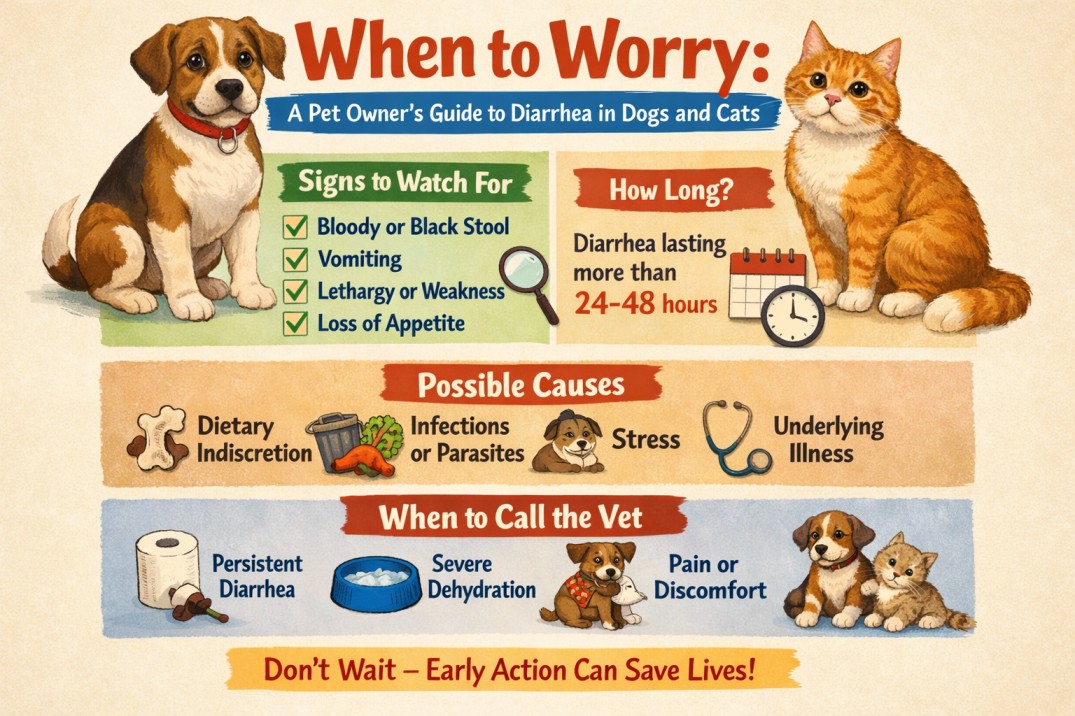
Few things can ruin a peaceful evening faster than the sound of your dog whining at the door or the discovery of a mess on the floor. As a pet parent, dealing with diarrhea is an unfortunate reality. It’s unpleasant, messy, and often leaves us wondering: Is this an emergency, or can we wait it out?
While a single bout of loose stool is usually nothing to panic about, diarrhea is one of the most common health complaints veterinarians see. It’s a symptom, not a disease itself, and it can range from a simple stomach upset to a sign of something far more serious.
Understanding the causes, knowing when to fast your pet, and recognizing the red flags that warrant a trip to the vet can save you money on unnecessary treatments and, more importantly, save your pet’s life.
Why Does My Pet Have Diarrhea? (The “Garbage Gut” and Beyond)
The digestive tract is sensitive. It reacts to changes in diet, stress, and foreign invaders. The causes of diarrhea generally fall into a few key categories, ranging from mild to severe.
1. Dietary Indiscretion (The “Garbage Gut”)
This is the most common cause we see in dogs (and occasionally adventurous cats). “Dietary indiscretion” is the polite veterinary term for eating something they shouldn’t have.
- Scavenging: Getting into the trash, eating table scraps, or stealing food off the counter.
- Sudden Diet Changes: Switching dog food brands or flavors too quickly without a transition period.
- Food Sensitivities: Intolerance to certain ingredients, like specific proteins or grains.
- Toxins: Ingesting toxic plants, chocolate, xylitol (artificial sweetener), or spoiled food.
2. Infections (Viruses, Bacteria, and Parasites)
Just like humans, pets can catch “bugs” that wreak havoc on their intestines.
- Parasites: Microscopic organisms like Giardia, Coccidia, roundworms, and hookworms are common culprits, especially in puppies and outdoor cats. These are often picked up from contaminated soil, water, or feces.
- Bacterial Infections: Salmonella, E. coli, and Clostridium can cause severe, often bloody, diarrhea.
- Viral Infections: Parvovirus is a life-threatening viral disease in unvaccinated puppies that causes severe hemorrhagic diarrhea. Distemper can also cause gastrointestinal upset.
3. Stress-Induced Colitis
Have you ever had “nervous stomach” before a big event? Pets experience the same thing. Stress colitis is an inflammation of the large bowel triggered by anxiety.
- Common Triggers: Boarding kennels, moving to a new home, introduction of a new family member or pet, or loud noises like fireworks. This often results in diarrhea that contains mucus or fresh blood (stool that looks like raspberry jam).
4. Underlying Systemic Illnesses
Sometimes, diarrhea is a secondary symptom of a larger issue within the body.
- Organ Failure: Kidney disease, liver disease, or pancreatitis can all manifest as digestive upset.
- Endocrine Disorders: Conditions like hyperthyroidism in cats (often causing weight loss with diarrhea/vomiting) or Addison’s disease in dogs.
- Cancer: Tumors in the intestinal tract can cause chronic diarrhea and vomiting.
5. Foreign Bodies and Obstructions
This is a surgical emergency. If your pet swallows a toy, sock, bone fragment, or piece of corn cob, it can get stuck in the intestines.
- Symptoms: Diarrhea may occur if liquid stool is able to seep around the blockage, but this is usually accompanied by severe vomiting, lethargy, and a painful abdomen.
The “Red Flag” List: When to Call the Vet Immediately
Mild diarrhea that passes quickly can often be managed at home. However, certain symptoms demand immediate professional attention. You should take your pet to the veterinarian if:
- Persistence: The diarrhea lasts for more than 48 hours (or 24 hours for a young puppy, kitten, or senior pet).
- Bloody Stool: The stool is black and tarry (indicating digested blood in the upper GI tract) or has bright red blood (indicating active bleeding in the lower GI tract).
- Vomiting: If your pet cannot keep water down and has diarrhea, they are at high risk of dehydration.
- Lethargy: Your pet is unusually tired, weak, or unresponsive.
- Suspected Toxin Ingestion: You know they ate something poisonous.
- Pain: Your pet is whining, has a hunched back, or yelps when you touch their belly.
- Underlying Conditions: The pet is very young, very old, or has a pre-existing health condition like diabetes or kidney disease.
At-Home Care: How to Settle an Upset Stomach
If your pet is acting normal otherwise (playful, alert, and hungry) and has only had one or two episodes of diarrhea, you can try these first-aid measures at home.
1. The Fast (Water Only)
For adult dogs and cats, give their digestive system a break by withholding food for 12 to 24 hours. Do not restrict water; in fact, encourage them to drink fresh water to prevent dehydration. Do not fast puppies, kittens, or small breed seniors as they can develop dangerously low blood sugar.
2. The Bland Diet
After the fasting period, offer a small meal of a bland, easily digestible food.
- Options:
- Boiled, skinless, boneless chicken breast (shredded) mixed with plain white rice.
- Boiled lean hamburger (drained of fat) with plain white rice.
- Canned 100% plain pumpkin (not pumpkin pie filling) – a tablespoon added to food can help firm up stool due to its high fiber content.
- Portion: Feed small amounts frequently (3-4 small meals a day) rather than one large meal.
3. Reintroduce Normal Food
Once the stool has firmed up for 24-48 hours, gradually mix their regular food back into the bland diet over the course of 3-4 days.
Prevention: Keeping the Gut Happy
While you can’t prevent every stomach bug, you can significantly reduce the risk of diarrhea with these habits:
- Consistent Diet: Feed a high-quality, consistent diet. If you must switch foods, transition over 5-7 days by mixing increasing amounts of the new food with the old.
- Limit Access: Keep trash cans secured and don’t let your pet scavenge on walks.
- Parasite Control: Use year-round parasite prevention as recommended by your vet.
- Reduce Stress: When boarding or traveling, bring a familiar toy or blanket. Consider calming aids like pheromone diffusers (Adaptil for dogs, Feliway for cats) during stressful events.
- Regular Vet Visits: Annual fecal exams can detect microscopic parasites that you might not see in the stool.
Final Thoughts
Poop is a powerful window into your pet’s health. While it’s not the most glamorous topic, paying attention to your pet’s bowel movements can help you catch minor issues before they become major emergencies. Trust your instincts—if you are worried, a quick call or visit to your veterinarian is always the right call.
Disclaimer: This blog post is for informational purposes only and does not constitute medical advice. Always consult with a qualified veterinarian for diagnosis and treatment options for your pet.