Tensions in the Middle East have surged once again after Iran formally rejected a U.S.-backed proposal aimed at ending weeks of intense conflict, signaling that any path to peace will be dictated strictly by Tehran’s own terms.
According to statements reported by state-linked media, Iranian officials have dismissed the proposal outright, emphasizing that no agreement will be accepted under external pressure—including from Donald Trump. The development underscores deepening geopolitical divisions as military operations continue across multiple fronts.
Tehran’s Firm Stance: “On Our Own Terms”
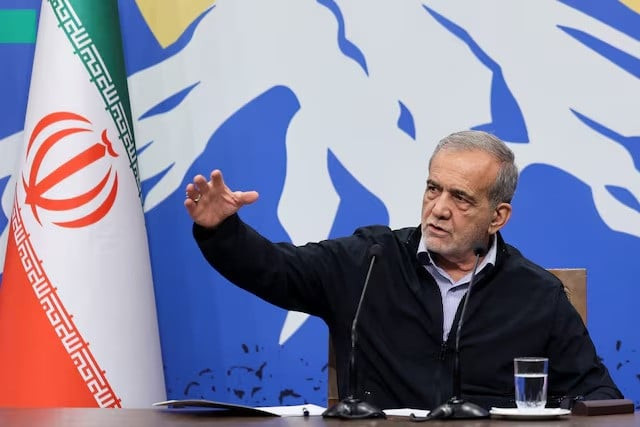
A senior Iranian political-security official made it clear that Tehran will not be rushed into a ceasefire. The official stressed that the timing and conditions for ending hostilities would be determined solely by Iran.
This rejection comes amid reports that Washington submitted a comprehensive 15-point framework intended to halt the conflict. However, Iranian authorities have publicly denied any ongoing negotiations and criticized the proposal as politically motivated.
Officials in Tehran argue that previous diplomatic efforts were undermined, calling recent U.S. actions a “betrayal of diplomacy.” This rhetoric reflects a broader distrust that continues to hinder meaningful dialogue.
The Five Key Conditions Set by Iran
Iran has outlined a series of non-negotiable demands that must be met before it considers ending the war. These conditions highlight both strategic and symbolic priorities:
1. Immediate End to Military Aggression
Tehran demands a complete halt to all hostile actions against its territory and interests, framing this as the first essential step toward de-escalation.
2. Guarantees Against Future Conflict
Iran insists on binding assurances that prevent any future military escalation. This includes long-term security guarantees—something that has historically been difficult to secure in the region.
3. Compensation for War Damages
A major sticking point is Iran’s call for accountability. The government is seeking formal recognition of damages caused during the conflict and guaranteed financial compensation.
4. Comprehensive Ceasefire Across All Fronts
Iran is not only focused on direct conflict but also on broader regional dynamics. It demands an end to actions targeting allied groups, including organizations such as Hezbollah.
5. Recognition of Sovereignty Over the Strait of Hormuz
Tehran insists that its control over the strategically critical Strait of Hormuz be acknowledged as a legitimate and legal right—a demand with significant global implications.
U.S. Proposal and Regional Mediation Efforts
Reports from The New York Times and other outlets suggest that the U.S. plan included measures such as dismantling Iran’s nuclear capabilities, limiting its missile program, and reducing support for regional proxy groups.
Additionally, there have been signs of indirect diplomacy. Countries like Pakistan and Turkey have reportedly acted as intermediaries, offering to host negotiations between Washington and Tehran.
Pakistan’s Prime Minister Shehbaz Sharif has publicly expressed willingness to facilitate talks, while Ankara has also been involved in backchannel communications.
Despite these efforts, Iranian officials continue to deny that formal negotiations are underway.
Israel’s Position and Ongoing Military Activity
The conflict also involves Israel, whose leadership remains skeptical about Iran’s willingness to compromise. Prime Minister Benjamin Netanyahu has reportedly been briefed on the U.S. proposal, with security officials expressing concern that any agreement might allow Iran to retain strategic capabilities.
Military operations have continued unabated. Israeli forces have carried out multiple strikes, while Iran has launched drone and missile attacks targeting Israeli cities and U.S. allied bases across the region.
The situation remains volatile, with both sides showing little indication of scaling back military engagement.
Markets React as War Threatens Global Energy Supply
Financial markets have responded sharply to developments. Oil prices initially dropped following reports of a potential diplomatic breakthrough but remain unstable due to ongoing uncertainty.
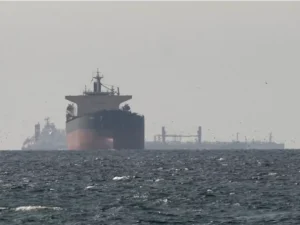
The Strait of Hormuz—through which roughly 20% of the world’s oil supply passes—has become a focal point of concern. Iran’s partial restrictions on maritime traffic have already disrupted global energy flows.
Investors are closely monitoring the situation, as prolonged conflict could trigger supply shocks, inflationary pressure, and broader economic instability.
Escalating Military Presence Raises Stakes
Meanwhile, the United States is increasing its military footprint in the region. Reports indicate that thousands of additional troops, including units from the 82nd Airborne Division, are being deployed to the Gulf.
This buildup adds to an already significant presence of over 50,000 U.S. personnel, heightening fears that the conflict could expand into a broader regional war.
Iran, for its part, has warned against further escalation, while continuing to demonstrate its military capabilities through coordinated attacks.
Diplomatic Deadlock Deepens
Despite occasional hints of backchannel communication, public messaging from Tehran remains uncompromising. Iranian military officials have openly dismissed the possibility of negotiations with the current U.S. administration.
Statements from Iran’s foreign ministry reiterate that no talks are taking place and that national defense remains the priority.
This hardened stance suggests that diplomatic progress, if any, will likely be slow and indirect.
Short Analysis: A Strategic Stalemate with Global Risks
The current impasse reflects a classic geopolitical stalemate. Iran’s demands are designed to secure long-term strategic advantages, while the U.S. and its allies seek to limit Tehran’s regional influence and military capabilities.
Neither side appears willing to concede critical ground, increasing the likelihood of prolonged conflict.
The involvement of multiple regional actors—and the strategic importance of energy routes—means that the consequences extend far beyond the Middle East.
Global Impact: Why This Conflict Matters Worldwide
The implications of this crisis are far-reaching:
- Energy Security: Disruptions in the Strait of Hormuz could affect global oil prices and supply chains.
- Economic Stability: Volatile markets may impact inflation and growth worldwide.
- Geopolitical Alliances: The conflict is reshaping diplomatic alignments across Asia, Europe, and the Middle East.
- Humanitarian Concerns: Thousands have already been affected, with civilian casualties and displacement rising.
As the situation evolves, the world watches closely for any sign of de-escalation—or further escalation.
Iran’s rejection of the U.S. proposal marks a critical turning point in the ongoing conflict. By outlining strict conditions, Tehran has made clear that it seeks not just a ceasefire, but a redefinition of power dynamics in the region.
With diplomacy stalled and military activity intensifying, the path to peace remains uncertain—and increasingly complex.