ISLAMABAD – The federal government has collected more than Rs180 billion from the public under the Petroleum Development Levy (PDL) over the past one and a half months, amid heightened regional tensions, it has been revealed. According to sources in the Ministry of Finance, the collection of the levy on petroleum products in Pakistan has increased extraordinarily.
They said that during the recent escalation and conflict between the United States and Iran, the government collected over Rs180 billion in the PDL from consumers within approximately six weeks.
Overall Levy Collections
Data further shows that from July of the current fiscal year to mid-April, a total of Rs1,234 billion has been collected under the petroleum levy. This represents an increase of around Rs400 billion compared to the same period last fiscal year, marking a significant fiscal jump in the country’s history.
Month-Wise Breakdown
Month-wise figures show that Rs157 billion was collected in July, followed by Rs103.46 billion in August. In September, collections stood at Rs112.85 billion, while October saw Rs143.48 billion collected.
In November, the levy collection reached Rs148.36 billion, while December recorded the highest monthly collection of the fiscal year at Rs162.46 billion.
In the subsequent months, Rs108.76 billion was collected in January, Rs120.39 billion in February, and Rs139.48 billion in March. During the first 15 days of April alone, Rs38 billion has already been collected.
Sources of Revenue
Sources said a major portion of the government’s revenue came from imported petroleum products. From July to mid-April, more than Rs598 billion in levy was collected on imported petrol and diesel. Rs635.19 billion in the PDL was collected on products derived from crude oil between July and March.
Context of the Crisis
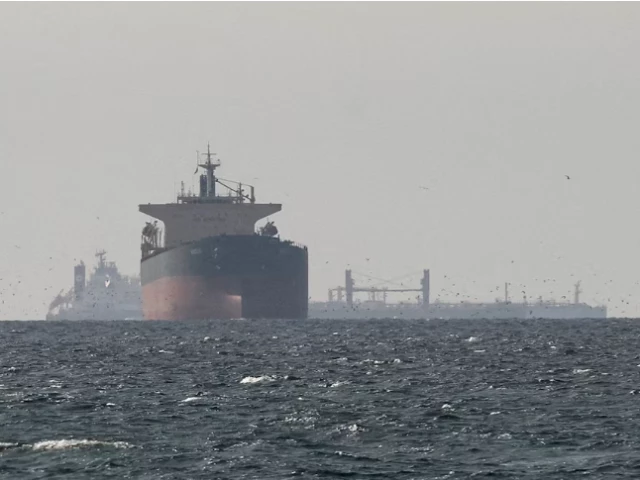
The spike in petroleum levy collections coincides with the Middle East crisis triggered by the US-Israel war on Iran, which began on February 28. The conflict disrupted global oil supplies through the closure of the Strait of Hormuz, driving up international oil prices and, consequently, domestic fuel prices.
The government increased petrol prices to record levels, with the petroleum levy reaching Rs161 per litre at its peak. While prices have since been reduced following the ceasefire, the levy remains a significant source of revenue.
Analysis: A Fiscal Windfall Amid Human Hardship
The collection of over Rs180 billion in petroleum levy in just six weeks represents a fiscal windfall for the government. The overall increase of Rs400 billion compared to the same period last year is unprecedented.
However, this windfall comes at a cost to consumers. The petroleum levy is a regressive tax — it takes a larger percentage of income from the poor than from the rich. For motorcyclists, rickshaw drivers, and small business owners, the levy has been a significant burden.
The government has defended the levy as necessary for fiscal stability, and has introduced targeted subsidies for two- and three-wheelers. But the fact remains that the petroleum levy has been a major contributor to the government’s revenue during the crisis.
As the ceasefire holds and oil prices decline, the government may face pressure to reduce the levy. For now, the fiscal numbers are clear: the petroleum levy has been a cash cow.