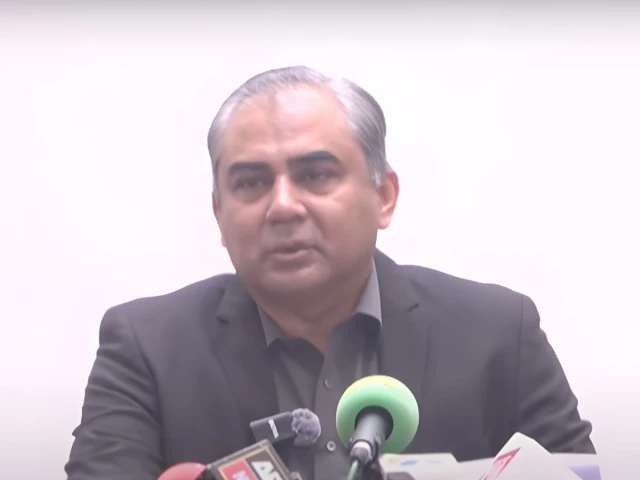
ISLAMABAD – Pakistan and Iran on Thursday agreed to strengthen cooperation on border management and counter-terrorism. This was decided during a meeting between Interior Minister Mohsin Naqvi and his Iranian counterpart Eskandar Momeni.
The Iranian minister acknowledged Pakistan’s key role in helping ease recent regional tensions, describing Islamabad’s diplomatic intervention as “historic.” In the meeting, Momeni thanked Pakistan for mediating a ceasefire at a critical moment when the region appeared to be edging toward a broader conflict.
Iran’s Gratitude
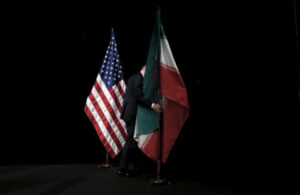
He said Iran would “always remember” Pakistan’s sincere and positive role in preventing escalation, noting that the ceasefire was made possible through Islamabad’s timely engagement. The remarks underscore the significance of Pakistan’s mediation efforts between Iran and the US, which helped secure a two-week ceasefire and opened the door for further negotiations.
Naqvi’s Remarks
Naqvi reaffirmed Pakistan’s commitment to regional stability, stressing that the country’s foreign policy is rooted in the pursuit of peace. He said war could never resolve disputes and emphasized that lasting solutions can only be achieved through dialogue and diplomacy. He added that Pakistan is actively working with regional partners to find a durable settlement to ongoing tensions in the Middle East.
Shared Commitment
The meeting concluded with a shared commitment to enhancing bilateral ties and contributing to broader regional harmony. Both interior ministers agreed to strengthen cooperation on border management and counter-terrorism, areas of mutual concern given the shared border between the two countries.
Context
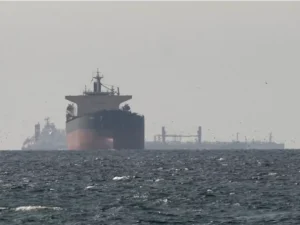
The meeting comes as the US and Iran prepare for a second round of technical talks in Islamabad, with a potential deal to end the war expected soon. The two-week ceasefire brokered by Pakistan remains in place, and the Strait of Hormuz has been reopened for commercial shipping.
Analysis: Building on Diplomatic Success
The meeting between the interior ministers of Pakistan and Iran reflects the broader improvement in bilateral relations following Pakistan’s mediation efforts. Iran’s acknowledgment of Pakistan’s “historic” role is significant, as it indicates Tehran’s appreciation for Islamabad’s efforts.
The focus on border management and counter-terrorism is practical. Pakistan and Iran share a long, porous border that has been a source of tension. Strengthening cooperation in these areas could help prevent future incidents.
As the region moves toward a potential peace agreement, the improvement in Pakistan-Iran relations is a positive development. The two countries have a shared interest in stability, and this meeting suggests they are willing to work together to achieve it.