JERUSALEM – Israel has given final approval for a landmark plan to purchase two new combat squadrons of advanced F-35 and F-15IA fighter jets from U.S. manufacturers Lockheed Martin and Boeing, the Defense Ministry announced Sunday. The deal, worth tens of billions of dollars, is the first step in a 350 billion shekel ($119 billion) decade-long military buildup aimed at bolstering Israel’s long-term strategic air superiority following lessons learned from the recent war with Iran.
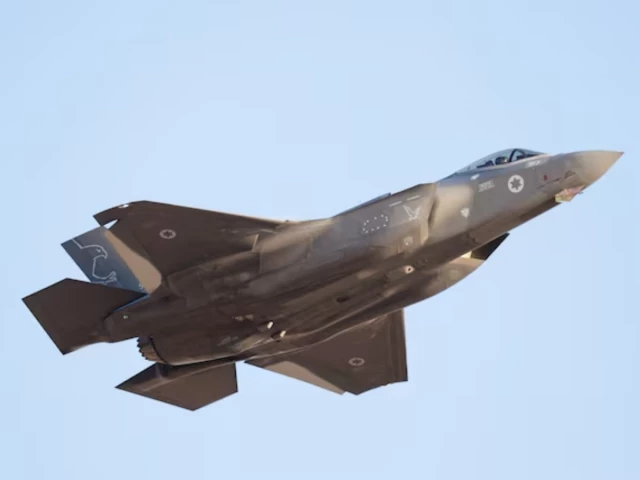
The procurement plan, approved by Israel’s Ministerial Committee on Procurement over the weekend, will double the size of the country’s F-35I fleet from 50 to 100 aircraft with the addition of a fourth squadron from Lockheed Martin. It will also double the new F-15IA fleet from 25 to 50 jets with a second squadron from Boeing.
The F-15IA is the Israeli variant of Boeing’s advanced F-15EX Eagle II. Delivery of the new F-35s is expected to begin in 2028, while the first F-15IAs are scheduled to arrive in 2031.
“The approval of this procurement is the first major step in executing the 350-billion-shekel force buildup plan for an intense security decade ahead,” Defense Ministry Director General Amir Baram said. “Alongside immediate wartime procurement needs, we have a responsibility to act now to secure the IDF’s military edge ten years from now and beyond”.
The announcement follows a 40-day conflict with Iran that began on February 28. A U.S.-brokered ceasefire has been in place since April 8, though a U.S. naval blockade of Iranian ports continues.
‘Magen Israel’ Plan for Strategic Independence
The expanded budget, which Prime Minister Benjamin Netanyahu has dubbed the “Magen Israel” (Shield of Israel) program, also aims to reduce Israel’s reliance on foreign arms suppliers by increasing domestic production of munitions.
“Much of this expanded defence budget will be to produce munitions in Israel and not be dependent on foreign countries,” Netanyahu said in a video statement following news of the jets’ purchase, adding that Israel would also develop “new groundbreaking aircraft” that would be “game changers”.
Netanyahu said the new jets “strengthen Israel’s overwhelming air superiority,” noting that Israeli pilots are prepared to reach anywhere in Iranian airspace if required.
The war with Iran “reinforced just how critical the U.S.-Israel strategic relationship is, and how essential advanced air power remains,” Baram added.
Since the start of the Iran conflict on February 28, more than 115,600 tons of military equipment have arrived in Israel on 403 flights and 10 ships, according to the Defense Ministry.
Replacing Aging Fleets
Currently, Israel has 48 F-35I Adir jets with an additional 25 on order from a 2023 deal expected to begin delivery in 2028. The new approval will add another 25 aircraft, bringing the total to 100.
The order also finalizes a plan first announced in late 2024 to purchase 25 new F-15IA jets from Boeing, with an option for 25 more. In December, Boeing was awarded an $8.6 billion contract for Israel, which included those initial 25 jets.
The F-15IAs will replace Israel’s aging fleet of F-15s, some of which date back to the 1970s.
Defense Minister Israel Katz said the war in Iran “once again demonstrated the Israeli Air Force’s power and its decisive role in protecting Israel. The lessons of that campaign require us to keep pressing forward on force buildup, to ensure air superiority for decades to come”.
Next Steps
Following the committee’s approval, Baram directed the ministry’s mission to the U.S. to “move forward with finalizing the agreements with American government and military counterparts in the coming period,” the Defense Ministry said.
Israel Katz also noted that the new aircraft would facilitate a “significant technological leap” in integrating autonomous flight capabilities and next-generation defense systems, while establishing Israeli military dominance in space.
“Our mission is clear: to ensure the IDF has the tools, capabilities, and strength to operate anywhere, at any time,” Katz said. “We will continue to invest, to grow stronger, and to stay ahead of our enemies — to keep Israel secure today and in the future”.