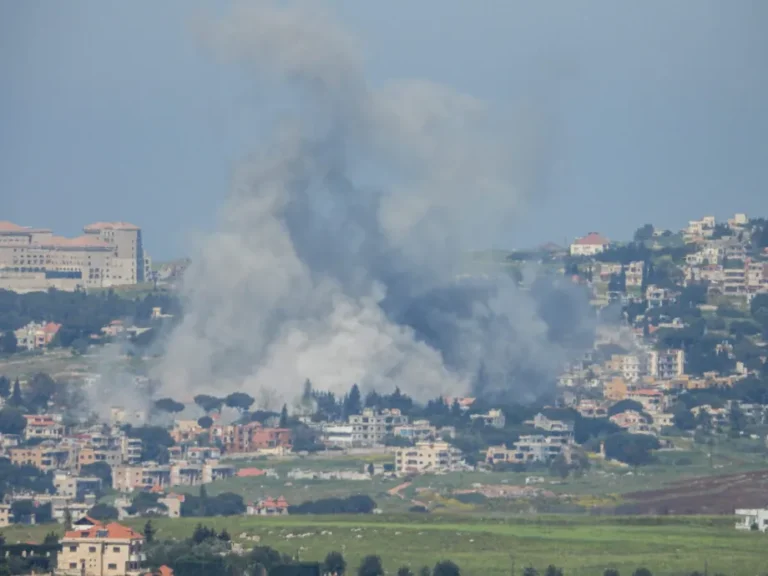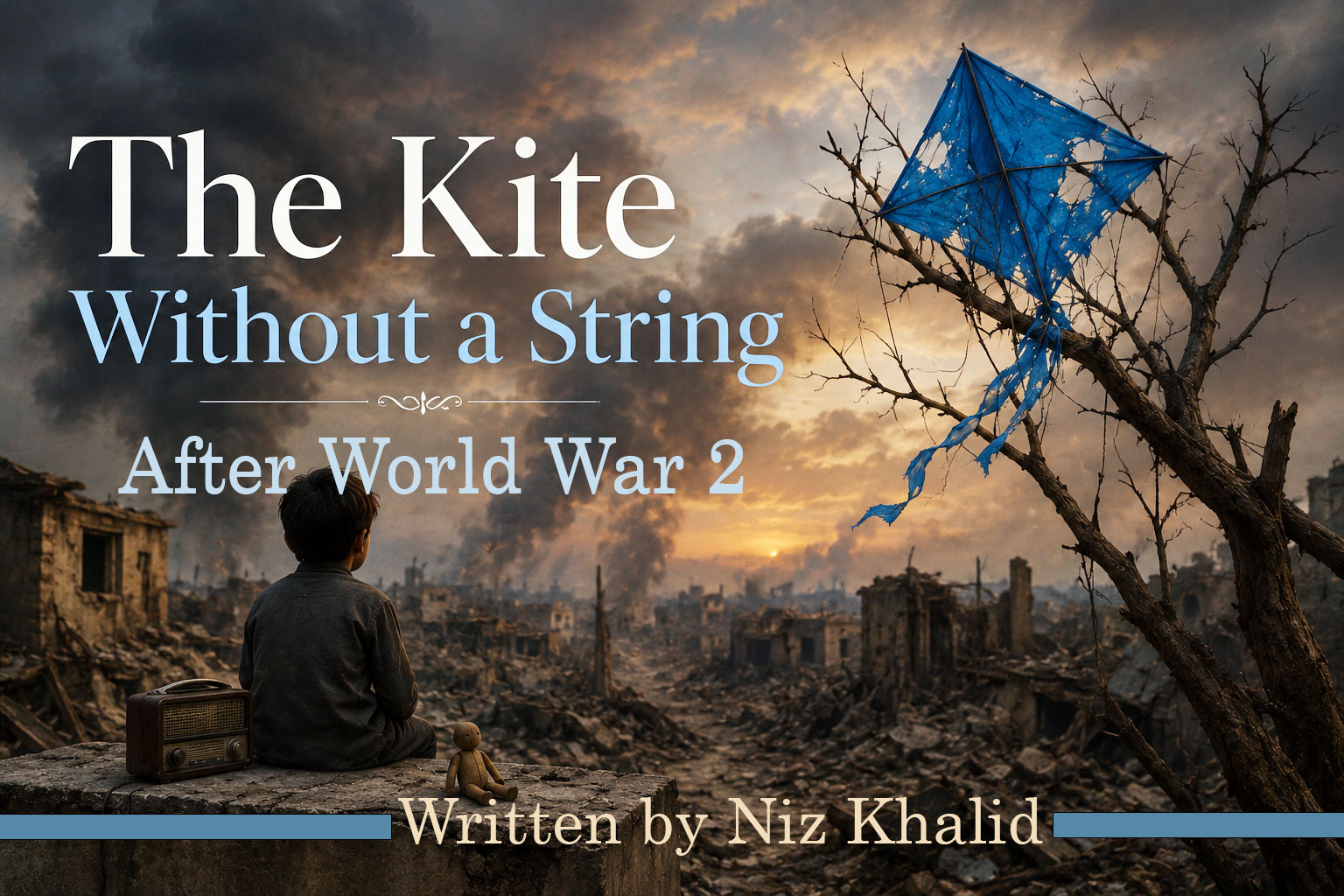
Arsalan was ten when the sky over his village turned to thunder that didn’t bring rain. The war arrived at dusk, wearing no face, only fire. He was flying a blue kite on the roof when the first explosion threw him backward. By morning, the courtyard where his mother hung laundry, the room where his father repaired radios, and the bed where his little sister slept with a wooden doll were all gone. Just smoke and the blue kite, tangled in a broken neem tree.
The refugee camp smelled like boiled lentils and missing people. Every night Arsalan asked the aid workers, “Did you find my Ammi? My Baba? My Hina?” They shook their heads. So he stopped asking. Instead, he started collecting things: a bent radio dial, a red hair ribbon, a page from his sister’s schoolbook with her name scribbled in crooked Urdu. He kept them in a biscuit tin. That was his family now.
At fourteen, Arsalan got work at a mechanic shop near the camp. The owner, Chacha Kareem, had lost a leg in the same war and gained a habit of silence. He never asked about the biscuit tin Arsalan kept under his workbench. But one evening he handed Arsalan a torn map and said, “You can’t fix an engine if you don’t know where the roads go.”
So Arsalan started fixing other things. He repaired radios for free and listened for names on broadcasts. He patched shoes and asked where people walked from. Every scrap of news went into the tin. Years passed. The tin got heavy.
When he was twenty, a woman came to the shop with a broken transistor. While Arsalan worked, she hummed. The tune was wrong in places, but he knew it. His mother used to hum it while making roti. He asked where she learned it.
“My daughter,” the woman said. “She’s at the girls’ orphanage in Gilgit. She doesn’t remember much from before, but she hums that when she’s scared. She was found clutching a wooden doll.”
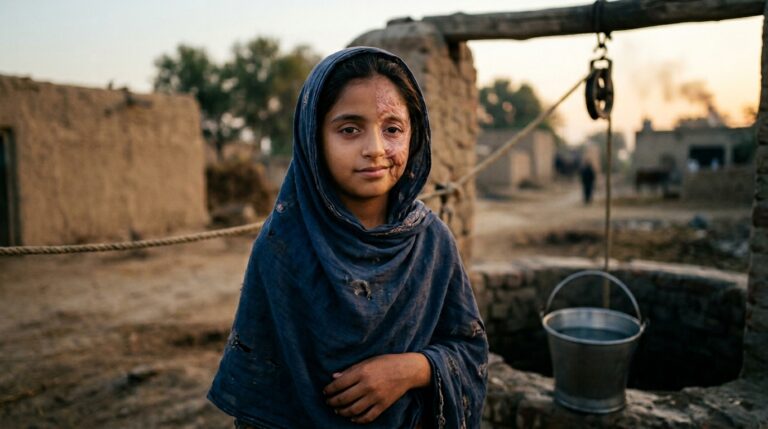
Arsalan didn’t run. He closed the shop, took his biscuit tin, and went north. At the orphanage, a seventeen-year-old girl with his mother’s eyes looked at the red ribbon in his hand and said, “You smell like neem trees.”
Hina didn’t remember the war. But she remembered the kite. Together they went back to the village. Nothing was there except the neem tree, now tall, and the sky. Arsalan tied a new blue kite to a string and handed it to her.
He never found his parents. But that day, the kite wasn’t flying alone.