China has called for restraint, dialogue, and renewed diplomatic engagement after reports emerged of fresh US military strikes targeting Iranian missile positions and naval assets in southern Iran.
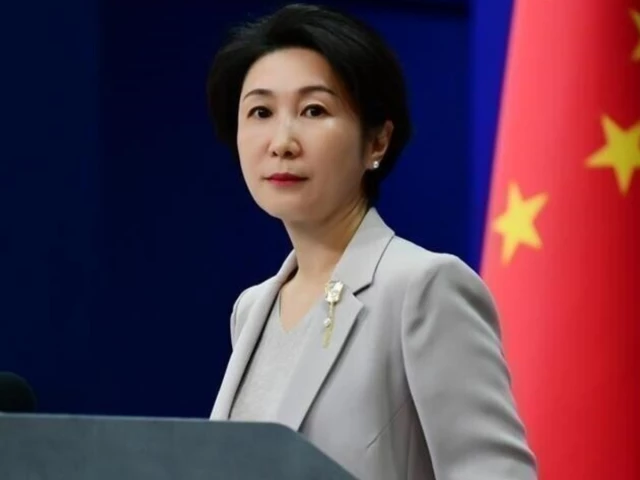
Speaking at a press briefing in Beijing on Tuesday, Chinese Foreign Ministry spokesperson Mao Ning urged all parties to honour existing ceasefire understandings and avoid actions that could deepen instability across the Gulf region and the broader Middle East.
China Pushes for Dialogue Over Escalation
Responding to reports that the United States had launched new “self-defence” strikes against Iranian missile launchers and vessels allegedly preparing to lay naval mines, Mao reiterated Beijing’s longstanding position that disputes should be resolved politically rather than militarily.
“China urges relevant parties to honour their ceasefire commitments, adhere to resolving disputes through peaceful means, continue dialogue and negotiations,” Mao said.
She added that all sides should work toward:
- Restoring regional stability
- Preventing further escalation
- Addressing legitimate security concerns through negotiations
China Emphasizes Gulf Stability
Beijing warned that continued military escalation could threaten broader regional peace, particularly in the strategically vital Gulf region.
Mao stated that China supports:
- Diplomatic engagement
- Political settlements
- Regional stability mechanisms
- Protection of international security frameworks
She also stressed the importance of safeguarding the global nuclear non-proliferation system.
Fresh US Strikes Raise Tensions
The latest comments followed statements from US officials claiming American forces had conducted military operations targeting:
- Missile launch systems
- Iranian vessels
- Alleged naval mining operations
Washington described the operations as “self-defence” measures amid fears that escalating tensions could threaten international shipping routes and regional security.
The developments come despite ongoing indirect diplomatic efforts involving regional mediators attempting to preserve a fragile ceasefire between the United States and Iran.
China Says It Maintains Contact With Iran
Mao confirmed that China has remained in close communication with Iran and other regional actors since the conflict escalated.
She said Beijing had actively worked to:
- Encourage de-escalation
- Support peace initiatives
- Facilitate diplomatic dialogue
- Reduce military tensions
“We will continue to play a positive role in resuming peace and tranquillity in the Middle East,” she said.
Xi Jinping’s Diplomacy Framework Referenced
The spokesperson also referred to the broader diplomatic approach promoted by Xi Jinping, emphasizing multilateralism and negotiated settlements in international conflicts.
China has increasingly positioned itself as a diplomatic actor in Middle Eastern affairs, seeking to expand influence through:
- Mediation efforts
- Economic partnerships
- Energy cooperation
- Strategic diplomacy
Beijing has previously helped facilitate regional rapprochement efforts, including improved relations between Gulf rivals.
Middle East Conflict Raises Global Concerns
The renewed military activity has intensified concerns over:
- Regional instability
- Global oil supply disruption
- Maritime security
- Nuclear escalation risks
The Gulf region remains one of the world’s most strategically sensitive energy corridors, with any escalation carrying potential consequences for:
- Global energy markets
- Shipping routes
- International trade
- Financial stability
China Balances Strategic Interests
China maintains significant strategic interests in the Middle East because of:
- Energy imports
- Trade partnerships
- Infrastructure investments
- Belt and Road Initiative projects
As one of the world’s largest importers of Gulf energy supplies, Beijing has consistently favored stability and uninterrupted trade routes.
Analysts say China’s diplomatic messaging reflects concern that prolonged conflict could:
- Disrupt oil markets
- Harm global economic recovery
- Increase geopolitical polarization
Nuclear Issue Remains Central
Mao also reiterated China’s support for resolving the Iranian nuclear issue through political negotiations.
China has repeatedly opposed:
- Unilateral sanctions
- Military escalation
- Actions undermining nuclear diplomacy
while advocating for negotiated frameworks aimed at preserving regional and global non-proliferation agreements.
Global Powers Increasingly Divided Over Iran Strategy
The latest developments further highlight growing differences among major powers regarding how to handle tensions involving Iran.
While Washington has maintained military pressure and sanctions, Beijing and Moscow have generally pushed for:
- Diplomatic engagement
- Reduced military intervention
- Multilateral negotiations
The evolving crisis has increasingly become part of broader geopolitical competition involving:
- US influence
- Chinese diplomacy
- Russian regional positioning
- Gulf security alignments
China Positioning Itself as Diplomatic Stabilizer
China’s response to the latest US-Iran tensions reflects Beijing’s growing ambition to present itself as a stabilizing diplomatic force in global conflicts.
By emphasizing dialogue rather than confrontation, Beijing seeks to:
- Protect economic interests
- Strengthen regional influence
- Contrast its approach with US military strategy
- Expand its role in Middle Eastern diplomacy
At the same time, China remains cautious about becoming directly entangled in regional military disputes.
Analysts say Beijing’s strategy centers on balancing:
- Strategic partnerships with Iran
- Economic relations with Gulf states
- Competition with Washington
- Global market stability
The renewed US strikes, however, underscore how fragile current ceasefire efforts remain and how quickly tensions in the Gulf could spiral into broader regional confrontation if diplomacy fails.