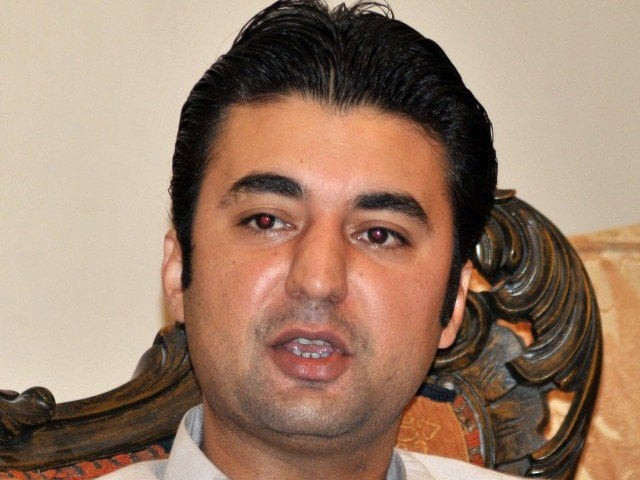
Pakistan’s election watchdog has disqualified senior Pakistan Tehreek-e-Insaf (PTI) leader Murad Saeed from the Senate, marking a significant political development amid ongoing legal proceedings linked to the May 9 unrest.
In an official notification issued on Thursday, the Election Commission of Pakistan (ECP) confirmed that Saeed has been de-notified as a senator after being convicted and sentenced by an anti-terrorism court.
Disqualification Under Constitutional Clause
The ECP stated that the disqualification was carried out under Article 63(1)(h) of Pakistan’s Constitution, which bars lawmakers from holding office if they are convicted of an offence involving moral turpitude and sentenced to at least two years in prison.
Saeed was handed a 10-year sentence by an anti-terrorism court in Rawalpindi earlier this month, automatically triggering his disqualification under the constitutional provision.
With his removal, a Senate seat from Khyber Pakhtunkhwa has officially been declared vacant, setting the stage for a replacement process in the upper house.
ATC Verdict in May 9 GHQ Case
The conviction stems from the high-profile case related to the May 9 attacks, including the incident at the General Headquarters (GHQ), a key military installation.
An anti-terrorism court in Rawalpindi sentenced 47 proclaimed offenders, including several PTI leaders, to 10 years in prison each. In addition to jail terms, the court imposed fines of Rs500,000 per individual and ordered the confiscation of both movable and immovable assets.
The verdict represents one of the most consequential legal actions taken in connection with the widespread unrest that followed political tensions in 2023.
Political Fallout for PTI
The disqualification of Murad Saeed adds to mounting legal and political challenges facing the Pakistan Tehreek-e-Insaf (PTI).
Several party figures have been implicated in cases linked to the May 9 events, which triggered a sweeping crackdown and a series of prosecutions under anti-terrorism laws.
Analysts suggest that the removal of key leaders from parliament could weaken the party’s institutional presence, particularly in the Senate, where numbers play a critical role in legislative influence.
Legal Framework and Implications
Article 63(1)(h) is a stringent clause designed to ensure that individuals convicted of serious offences do not hold public office. Under the law, a disqualified individual remains ineligible for a period extending beyond their sentence unless a specified time has passed since release.
Legal experts note that while convictions can be challenged in higher courts, disqualification takes immediate effect once the sentence meets constitutional thresholds.
This means that unless overturned on appeal, Saeed’s removal will stand, potentially affecting PTI’s parliamentary strategy in the near term.
Broader Context: May 9 Cases
The May 9 incidents remain a defining moment in Pakistan’s recent political history, leading to widespread arrests, legal proceedings, and institutional responses.
Authorities have framed the events as attacks on state institutions, while critics have raised concerns over due process and the scale of the crackdown.
The latest development underscores how those events continue to shape the country’s political and legal landscape.
Analysis: Legal Accountability Meets Political Consequences
The ECP’s decision highlights the intersection of legal accountability and political consequences in Pakistan’s governance system. While the constitutional framework mandates disqualification following conviction, the broader implications are deeply political.
For PTI, the loss of a prominent senator represents both a symbolic and practical setback. For the government and institutions, it reinforces a message of strict enforcement of the law in cases involving attacks on state infrastructure.
However, the ultimate impact will depend on the outcome of potential appeals and the evolving political climate. As legal battles continue, Pakistan’s political arena is likely to remain highly dynamic in the months ahead.