US President Donald Trump on Saturday issued a stark warning to Iran, threatening to “obliterate” the country’s power plants if Tehran does not fully reopen the Strait of Hormuz within 48 hours. The ultimatum marks a significant escalation in the ongoing US-Israeli war on Iran, now in its fourth week.
Trump’s statement on social media emphasized targeting Iran’s energy infrastructure, starting with the largest plants, which could impact civilian life and the country’s power grid.
Global Repercussions
The Strait of Hormuz, a critical chokepoint for approximately one-fifth of global oil and LNG shipments, has remained largely closed due to the conflict, sending European gas prices soaring by as much as 35% last week.
A joint statement from 22 countries, including United Arab Emirates entity[“country”,”United Kingdom”,”country”], [“country”,”France”,”country”], and Japancountry”], expressed concern over the strait’s security.
Iran’s Khatam al-Anbiya warned that any attack on its energy infrastructure would prompt retaliation against US regional energy, IT, and desalination facilities.
Attacks and Missile Strikes
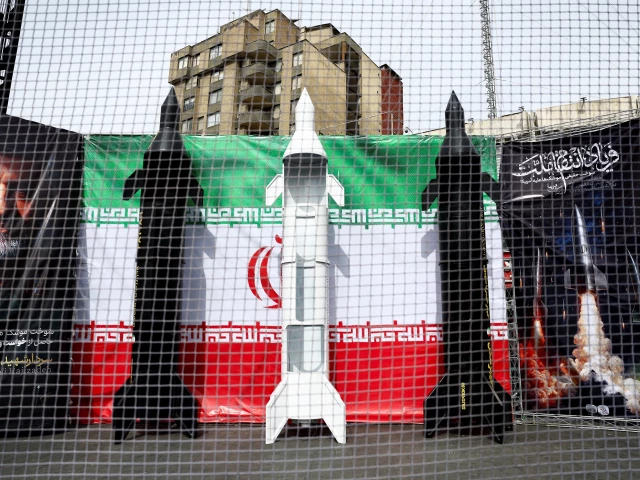
Iran recently launched long-range ballistic missiles, capable of reaching European capitals like Berlin, Paris, and Rome, targeting the US-British military base at Diego Garcia, according to Israeli military chief Eyal Zamir. This represents the first use of long-range missiles since US and Israeli strikes began in late February.
In southern Israel, Iranian strikes injured dozens, with one confirmed fatality. Cities including Dimona and Arad, near Israel’s nuclear reactor and major military bases, were hit. Israeli Prime Minister Benjamin Netanyahu affirmed continued military action “on all fronts.”
Iran’s Energy Infrastructure
Major Iranian power plants at risk include:
- Damavand Power Plant (Tehran): 2,868 MW
- Kerman Plant (Southeast Iran): 1,910 MW
- Ramin Steam Plant (Khuzestan): 1,890 MW
- Bushehr Nuclear Plant (Southern Coast): 1,000 MW
Trump previously mentioned that destroying Iran’s electric capacity could be done “within one hour” but warned it would take decades to rebuild.
Maritime Safety and Diplomatic Stance
Iranian representative Ali Mousavi told the UN maritime agency that the strait remains open to all ships except those linked to “Iran’s enemies.” He emphasized diplomacy but noted that “Israeli and US attacks against Iran are at the root of the current situation.”
Civilian and Regional Incidents
- Israel: One person killed near northern Galilee after vehicle fires amid cross-border strikes from Lebanon.
- Qatar: Six killed in a helicopter crash in territorial waters during routine operations; search for a missing person continues.
Implications
- Expansion of US strikes to energy infrastructure would directly affect civilian life in Iran and could exacerbate global energy crises.
- Long-range missile use and escalating regional strikes increase the risk of wider international involvement.
- Coordination for safe maritime passage through the Strait of Hormuz remains crucial to prevent further disruptions to global oil and gas supplies.