In a significant escalation of diplomatic maneuvering, Pakistan’s military leadership is quietly facilitating backchannel communications between Tehran and senior Trump administration envoys, according to a new report. The development positions Islamabad as the lead mediator in the four-week-old conflict, with Field Marshal Asim Munir leveraging his unique ties to both Iran and the White House to broker a potential ceasefire.
LONDON/ISLAMABAD – As the Middle East teeters on the brink of a wider conflagration, Pakistan has emerged as the unlikely linchpin in secret diplomatic efforts to end the US-Israeli war against Iran. The British newspaper Financial Times reported Tuesday that senior Pakistani officials are actively facilitating backchannel contacts between Tehran and US special envoys Steve Witkoff and Jared Kushner, signaling a concerted push to translate President Donald Trump’s five-day strike postponement into a lasting agreement.
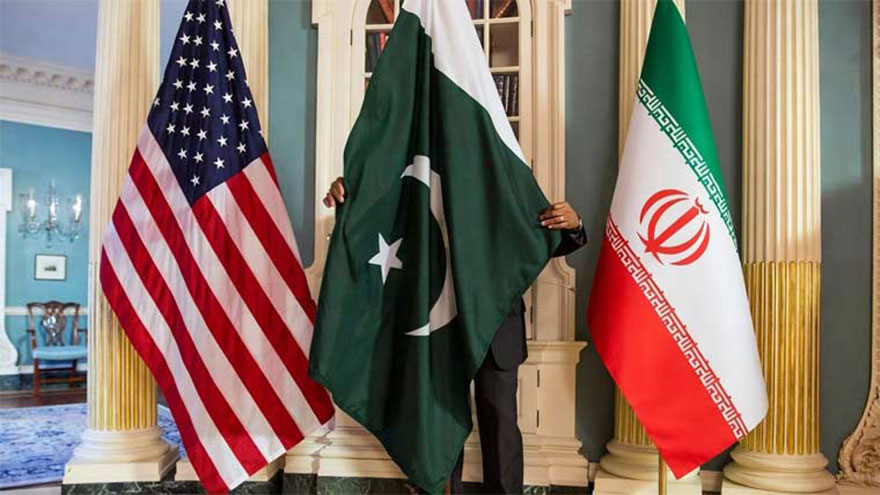
According to two officials briefed on the discussions, Pakistan has pitched Islamabad as a possible venue for direct talks as early as this week, involving senior figures from both the Trump administration and the Iranian government. The mediation push represents a high-stakes gambit for a nation that has long walked a tightrope between its strategic alliance with Washington and its deep historical and sectarian ties to Tehran.
The Munir Connection: A General in the Middle
Central to Pakistan’s mediatory role is Army Chief Field Marshal Asim Munir, who has cultivated relationships that few other global figures can claim. According to the Financial Times, Munir spoke directly with President Trump on Sunday—just hours before the US leader announced his decision to delay strikes on Iranian power plants. Two people briefed on the call confirmed the conversation took place, though its contents remain undisclosed.
Simultaneously, Prime Minister Muhammad Shehbaz Sharif held talks with Iranian President Masoud Pezeshkian on Monday, reinforcing the message of de-escalation and dialogue. The coordination between Pakistan’s civilian and military leadership underscores the national priority placed on preventing the conflict from spiraling further.
Pakistan’s unique positioning as a mediator stems from its rare status among US allies in the region. It hosts no American bases—a fact that has spared it from Iranian missile and drone retaliation that has targeted other nations. With the world’s second-largest Shia Muslim population after Iran, and a mutual defense pact with Saudi Arabia signed last year, Islamabad maintains credibility with both sides of the Gulf divide.
A Web of Diplomacy: Turkey, Egypt, and Qatar Join the Effort
Pakistan is not alone in its mediation efforts. Turkey, which was involved in diplomatic initiatives before the war began, has also been engaging with Iranian officials and Trump envoy Steve Witkoff in an attempt to secure a brief ceasefire and create space for formal negotiations. Pakistan’s Foreign Minister Muhammad Ishaq Dar held talks with his Turkish counterpart Hakan Fidan on Monday, suggesting a coordinated approach among key regional players.
Egypt’s Foreign Minister Badr Abdelatty has also been active, speaking with his Iranian and Pakistani counterparts on Sunday, as well as with Witkoff and Qatar’s foreign minister. The flurry of diplomatic activity reflects a broader regional scramble to contain a conflict that threatens to destabilize the entire Gulf.
Yet despite the intensity of these efforts, Tehran continues to publicly deny any direct engagement with Washington. Iranian Foreign Ministry spokesperson Esmaeil Baqaei told official news agency IRNA that while “messages were received via certain friendly states conveying the US request for negotiations,” there had been no direct talks since the war began. He added that “appropriate responses were given in accordance with the country’s fundamental positions,” and insisted that Iran’s stance on the Strait of Hormuz and its conditions for ending the war remained unchanged.
White House Stays Mum as Analysts Urge Caution
The White House has declined to elaborate on the nature of Trump’s negotiations, stating in a brief comment: “These are sensitive diplomatic discussions and the United States will not negotiate through the news media.” The refusal to provide details has only deepened speculation about the true state of play between the two adversaries.
Analysts and diplomats have cautioned against reading too much into the sudden diplomatic flurry. People briefed on the matter described the current efforts as involving “very early-stage messaging” rather than a formal process. Sanam Vakil, director of the Middle East and North Africa program at Chatham House, urged skepticism about the prospects for a breakthrough.
“Several countries are scrambling to de-escalate the conflict, but I don’t take this as any signal the war is coming to an end,” Vakil told the Financial Times. She suggested that Trump’s decision to walk back his threat may have been driven by pressure from Gulf states, who fear Iranian retaliation against their own energy infrastructure if strikes proceed.
“It’s positive to play out what a compromise and agreement might look like, but I don’t see a willingness on either side to compromise,” Vakil added. “I don’t think Trump can walk away from this crisis of his making. And I just don’t see Iran caving. They feel they have the upper hand and the leverage—this is again about their survival and the conditions that will assure their survival.”
The Stakes: Energy Security and Regional Stability
For Pakistan, the stakes in this mediation effort extend beyond diplomatic prestige. The country remains heavily dependent on Gulf imports for its oil and gas needs, making it acutely vulnerable to any disruption in the Strait of Hormuz. A prolonged conflict would have severe economic consequences for a nation already grappling with balance-of-payments challenges.
Yet Pakistan also has cultural and religious ties to Iran that run deep. In a written message published in Iranian media to mark the start of the Iranian new year last week, Supreme Leader Ayatollah Mojtaba Khamenei namechecked Pakistan, saying he held a “special feeling” towards its people. That sentiment may prove invaluable as Pakistani officials attempt to bridge the gap between Tehran’s maximalist demands and Washington’s insistence on dismantling Iran’s nuclear program.
Analysis: Can Pakistan Succeed Where Others Have Failed?
Pakistan’s emergence as the lead mediator in the US-Iran conflict represents a dramatic shift in the diplomatic landscape. But the path to a negotiated settlement remains perilous.
The involvement of Field Marshal Munir is significant. Unlike civilian politicians who come and go, Pakistan’s army chief commands institutional continuity and enjoys direct lines of communication to both the White House and Iran’s Islamic Revolutionary Guard Corps. His personal relationship with Trump—cultivated during the former president’s time in office—provides a channel that bypasses traditional State Department bureaucracy.
Yet the structural obstacles to peace are immense. Iran has framed its resistance as a matter of national survival. The US-Israeli campaign has already killed over 3,200 Iranians, according to activist groups, and targeted nuclear facilities and military commanders. For Tehran, any agreement that appears to reward aggression would be politically untenable.
Similarly, Trump faces domestic pressures that complicate any diplomatic pivot. Having spent weeks threatening to “obliterate” Iranian infrastructure, a sudden embrace of negotiations risks alienating his hawkish base. The fact that he announced a 15-point agreement that Iran subsequently denied suggests a significant gap in expectations between the two capitals.
The coming days will test whether Pakistan’s backchannel efforts can bridge that gap. With Trump’s five-day strike pause set to expire, and Iran’s naval mines ready to be deployed in the Strait of Hormuz, the window for diplomacy is narrow. For now, Islamabad has positioned itself at the center of the world’s most dangerous crisis—but success remains far from certain.