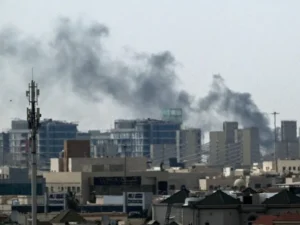


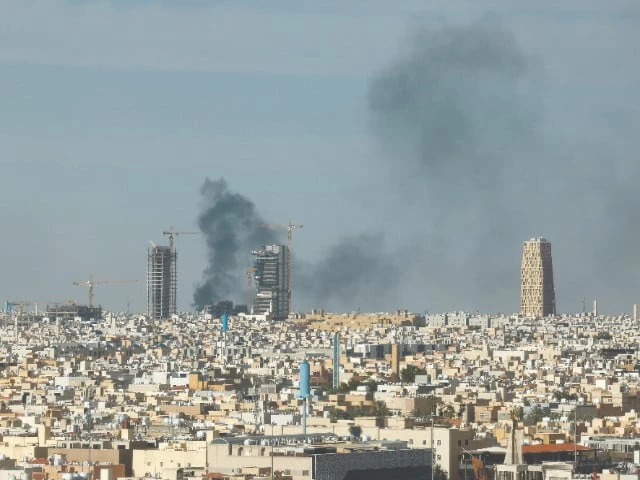
Beirut – Human Rights Watch (HRW) on Monday accused the Israeli military of “unlawfully” using white phosphorus munitions over residential parts of a southern Lebanese town last week, publishing a report that includes verified imagery of the attacks.
According to the New York-based rights group, the incident occurred on March 3, 2026, in the southern Lebanese town of Yohmor.
“HRW verified and geolocated seven images showing airburst white phosphorus munitions being deployed over a residential part of the town and civil defense workers responding to fires in at least two homes and one car in that area,” the report stated.
A Weapon with Horrific Effects
White phosphorus is a substance that ignites on contact with oxygen. While it can be used lawfully to create smokescreens or illuminate battlefields, its use as an incendiary weapon in populated areas is widely condemned.
The munition can cause severe and often fatal injuries, including horrific burns, respiratory damage, and organ failure.
Ramzi Kaiss, Lebanon researcher at HRW, condemned the attack. “The Israeli military’s unlawful use of white phosphorus over residential areas is extremely alarming and will have dire consequences for civilians,” he was quoted as saying.
Calls for Immediate Halt
HRW’s report includes a clear demand to both Israel and its allies.
“Israel should immediately halt this practice and states providing Israel with weapons, including white phosphorus munitions, should immediately suspend military assistance and arms sales and push Israel to stop firing such munitions in residential areas,” Kaiss added.
A History of Accusations
This is not the first time Israel has faced such accusations. Lebanese authorities and HRW have, over the past years, repeatedly accused Israel of using controversial white phosphorus rounds in attacks that authorities say have harmed civilians and the environment.
The latest incident was preceded by a report from Lebanon’s state-run National News Agency on Sunday, which stated that Israeli forces targeted the towns of Khiam and Tal Nahas, near the border, “with artillery and phosphorus shelling.”
The HRW report adds to the growing documentation of the war’s toll on civilians in southern Lebanon, where Israeli forces and Hezbollah fighters have been engaged in daily exchanges.