



Iran has issued a stark warning that the region could descend into severe escalation if attacks on its infrastructure continue, according to statements by Ebrahim Zolfaghari, spokesperson for the Khatam al-Anbiya Central Headquarters. Zolfaghari said that the region would become a “hell for enemies” if attacks against Iranian infrastructure expand, adding that expectations of defeating Iran have turned into a “quagmire” for the United States.
The warning comes amid reports citing Israeli sources about preparations to target Iranian energy facilities. In response, Iranian media, including Tasnim News Agency, quoted sources close to decision-making circles as saying that two major power plants supplying electricity to Israel have been added to a list of potential targets. According to those sources, the move is part of a “reciprocal response” strategy, reflecting full readiness to respond to any attack on Iran’s vital infrastructure.
US and Israeli Threats Escalate
Zolfaghari also said that threats by President Donald Trump against Iranian infrastructure indicate confusion and desperation, stressing that Iran’s armed forces would not hesitate to defend national resources and respond to any aggression. He warned that any escalation would be met with a decisive and unrestricted response, including continuous and large-scale strikes targeting infrastructure used by the United States and Israel.
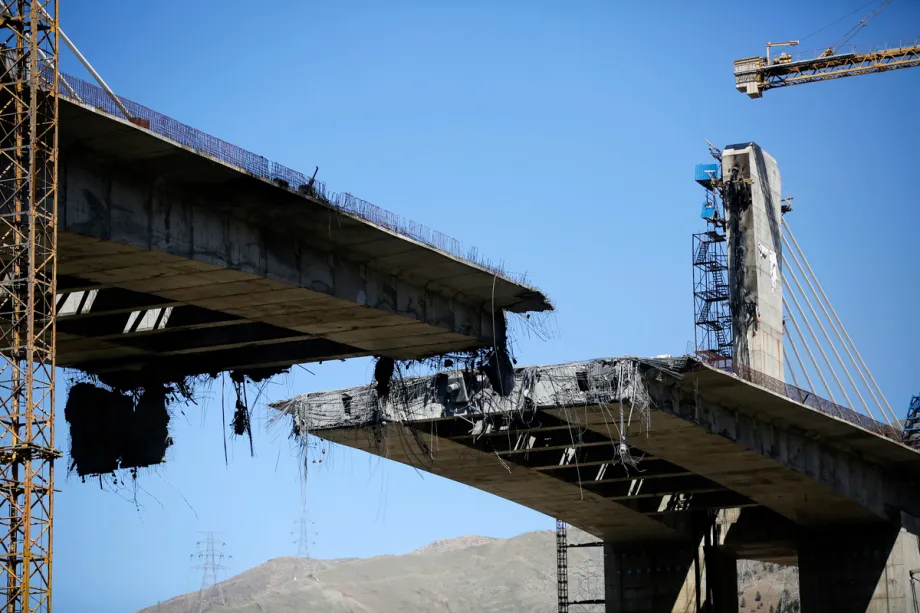
Trump has repeatedly threatened to “obliterate” Iran’s energy infrastructure if Tehran does not agree to a deal and reopen the Strait of Hormuz. In recent days, the US has struck Iranian ports, bridges, and commercial vessels, expanding the range of targets beyond military and nuclear facilities.
Israeli Power Plants Added to Target List
The Iranian decision to add two major power plants supplying electricity to Israel to its target list represents a significant escalation. Previously, Iranian retaliatory strikes have focused on military assets, US bases in Gulf countries, and Israeli infrastructure. Targeting power plants would affect Israel’s civilian population, potentially causing widespread blackouts and disrupting essential services.
Iranian officials have stated that the move is part of a “reciprocal response” strategy, meaning that any Israeli or US strike on Iranian energy infrastructure will be met with a direct strike on Israeli energy infrastructure. This doctrine of proportional response, if implemented, would mark a significant escalation in the conflict.
The Quagmire of Expectations
Zolfaghari’s statement that expectations of defeating Iran have turned into a “quagmire” for the United States reflects Tehran’s assessment of the current state of the conflict. Despite six weeks of US-Israeli strikes that have killed more than 1,340 people in Iran and damaged significant military and nuclear infrastructure, the Iranian regime remains in power, its military continues to operate, and its ability to retaliate remains intact.
The “quagmire” reference echoes the language used to describe US involvement in Vietnam and Iraq—conflicts where superior military force failed to achieve political objectives. For Iran, the longer the conflict continues without a decisive US-Israeli victory, the more it can claim to have successfully resisted foreign aggression.
Escalation Risks
The warning that the region could become a “hell for enemies” if attacks on Iranian infrastructure expand is not merely rhetorical. Iran has demonstrated its ability to strike targets across the region, including US military bases in Gulf countries, Israeli territory, and commercial shipping in the Gulf. Its arsenal includes ballistic missiles, cruise missiles, drones, and anti-ship missiles, as well as a network of allied militias in Iraq, Syria, Lebanon, and Yemen.
An Iranian decision to target Israeli power plants would likely provoke a further Israeli response, potentially targeting Iranian nuclear facilities or population centers. Such an exchange could rapidly escalate beyond the current conflict’s parameters, drawing in additional regional actors and causing widespread civilian casualties.
Regional and International Concerns
The warning has heightened concerns among regional governments, particularly Gulf states that host US military bases and could be caught in the crossfire. Iran has already struck US bases in Saudi Arabia, Qatar, and Jordan, and has threatened to target Gulf infrastructure if attacks on Iran continue.
European governments have called for restraint, with France’s foreign minister stating that a ceasefire and diplomatic engagement are the only ways to prevent further escalation. However, diplomatic efforts led by Pakistan have so far failed to produce a breakthrough.
A Dangerous Red Line
Iran’s warning that it will target Israeli power plants if its own energy infrastructure is attacked establishes a dangerous red line. By explicitly linking the two, Iran is attempting to deter Israel and the US from striking its energy facilities. But it also raises the stakes: if the US or Israel decide to test that red line, the conflict will escalate to a new level.
The “quagmire” framing is significant. Iran is signaling that it believes time is on its side, and that the US-Israeli coalition will eventually tire of the conflict. By portraying the war as a quagmire, Iran is appealing to US domestic audiences who are already showing signs of war fatigue, as evidenced by the “No Kings” protests across the United States.
For the US and Israel, the choice is increasingly stark: escalate further, risking a regional conflagration that could draw in additional actors and cause widespread destruction, or accept a negotiated settlement that leaves Iran’s ability to threaten the strait and its regional allies intact.
As the conflict enters its seventh week, with no end in sight, Iran’s warning that the region could become “hell” serves as a reminder of what is at stake. The decisions made in the coming days will determine whether the war continues to simmer at its current level or erupts into a fire that consumes the region.




One thought on “Iran Warns Region Will Become ‘Hell’ If Attacks on Its Infrastructure Expand”