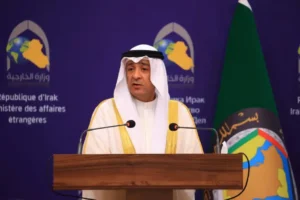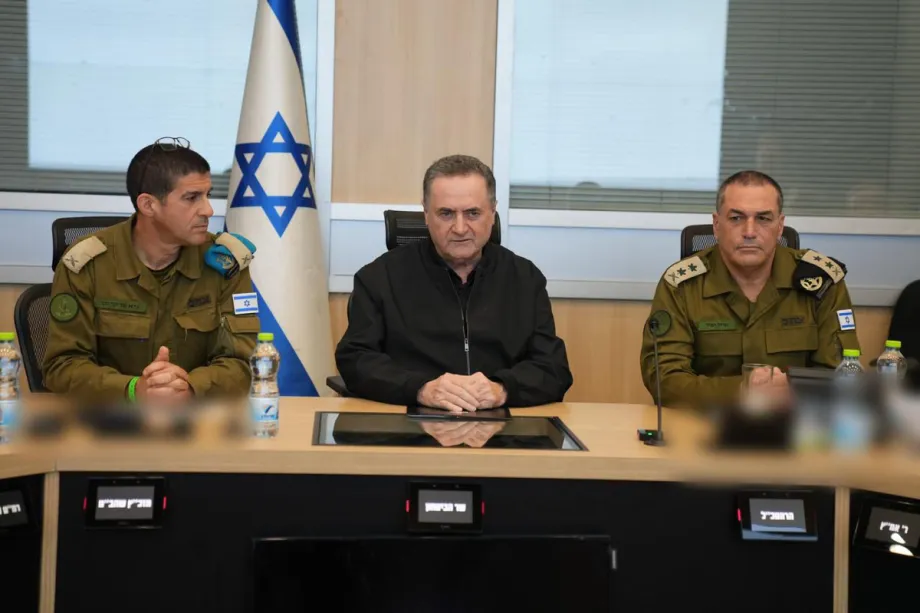
Israel’s defense leadership has claimed a significant military strike against Iran, saying it has killed the head of the Iranian Revolutionary Guard’s naval forces in a targeted air operation—an assertion that, if confirmed, could mark a major escalation in the ongoing regional conflict.
Israeli Defense Minister Israel Katz said that Alireza Tangsiri, commander of the naval arm of the Islamic Revolutionary Guard Corps (IRGC), had been “eliminated” along with other senior naval officials.
Strike Reportedly Targets Bandar Abbas
According to Israeli media reports, the alleged strike took place in Bandar Abbas, a key port city in southern Iran and a strategic hub for naval operations in the Persian Gulf.
An Israeli official stated that Tangsiri was targeted due to his role in overseeing operations linked to the disruption of the Strait of Hormuz—a vital global energy corridor.
There has been no immediate confirmation from Iranian authorities regarding the reported killing, leaving the claim unverified.
Strategic Importance of the IRGC Navy
The IRGC Navy plays a central role in Iran’s asymmetric maritime strategy, particularly in the narrow waterways of the Gulf. It has been instrumental in enforcing Iran’s posture in the Strait of Hormuz, a chokepoint through which a substantial share of the world’s oil supply passes.
The death of a senior commander, if confirmed, could disrupt command structures and alter Iran’s operational approach in the region.
Strait of Hormuz Disruption Deepens Crisis
The reported strike comes amid ongoing disruption of the Strait of Hormuz, where tensions have severely impacted global shipping.
Roughly 20 million barrels of oil typically pass through the strait each day. Its partial closure has already driven up shipping costs and contributed to rising global energy prices, intensifying economic pressure worldwide.
Any further escalation could deepen disruptions and amplify volatility in international markets.
Expanding Conflict Across the Region
The broader conflict between Israel and Iran has intensified in recent weeks, with sustained airstrikes and retaliatory attacks extending beyond national borders.
Iran has launched drone and missile strikes targeting Israel as well as locations in Jordan, Iraq, and Gulf states hosting U.S. military assets. These exchanges have resulted in casualties and damage to infrastructure, while also disrupting aviation and trade routes.
Global Repercussions and Uncertainty
The potential killing of a high-ranking IRGC commander could trigger further retaliation, raising the risk of a broader regional war. Military analysts warn that leadership decapitation strikes often lead to rapid escalation, particularly in already volatile environments.
At the same time, uncertainty surrounding the claim underscores the challenges of verifying developments in fast-moving conflicts, where information warfare and strategic messaging play key roles.
Analysis: A Dangerous Turning Point
If confirmed, the reported killing of Alireza Tangsiri would represent a significant blow to Iran’s military leadership and could mark a turning point in the conflict.
However, such actions also carry high risks. Iran may respond with intensified military operations, potentially targeting maritime routes or regional bases, further destabilizing the situation.
The strategic importance of the Strait of Hormuz means that any escalation will have immediate global consequences, particularly for energy markets and supply chains.
As the situation unfolds, the lack of independent confirmation highlights the need for caution. What is clear, however, is that the conflict is entering an increasingly dangerous phase, with implications far beyond the region.