The Gulf Cooperation Council has issued a stark warning over escalating tensions with Iran, declaring that recent attacks on Gulf states and the closure of a critical global shipping route have “crossed all red lines” and pose a direct threat to international stability.
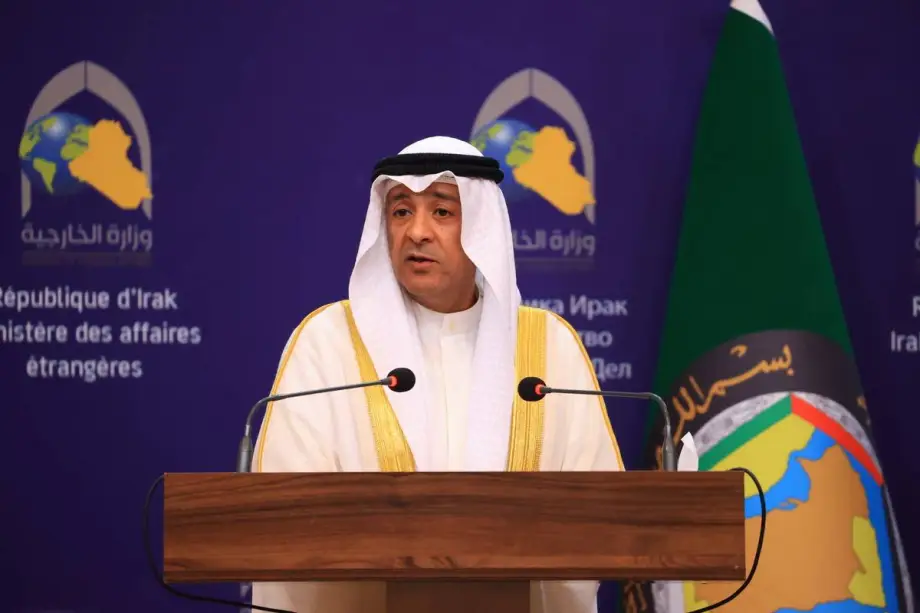
Speaking in Riyadh, Jasem Al Budaiwi, head of the Gulf Cooperation Council (GCC), said the situation in the region is rapidly deteriorating, with potentially severe consequences for the global economy.
Hormuz Closure Raises Global Alarm
At the center of the crisis is the disruption of the Strait of Hormuz, one of the world’s most vital energy corridors. The waterway, which facilitates the movement of approximately 20 million barrels of oil per day, has been largely affected since early March.
Budaiwi warned that while the immediate impact may appear manageable, prolonged disruption would significantly damage global economic growth.
“The Strait of Hormuz is closed today,” he said, cautioning that the long-term consequences could extend far beyond the energy sector.
Economic Shockwaves Already Visible
The GCC chief noted that the escalation has already triggered rising energy prices and increased transportation costs, with maritime navigation severely disrupted.
Shipping delays, higher insurance premiums, and rerouted cargo have begun to strain global supply chains, raising concerns about inflation and shortages in multiple regions.
Budaiwi stressed that the crisis could expand into other sectors, including manufacturing and even the digital economy, as interconnected global systems come under pressure.
‘International Responsibility’ to Act
Calling the situation an “international responsibility,” the GCC urged the global community to act swiftly to safeguard trade routes and stabilize the region.
Budaiwi emphasized that failure to address the crisis could lead to broader destabilization, warning that disruptions in the Gulf would inevitably spill over into other parts of the world.
“What is representing a threat today will grow in the future,” he said, highlighting the urgency of coordinated global action.
Regional Escalation Intensifies
The warning comes amid escalating conflict involving Iran, Israel, and the United States.
Since late February, sustained military exchanges—including airstrikes, missile attacks, and drone operations—have expanded across multiple countries. Iranian retaliatory strikes have targeted locations in Jordan, Iraq, and Gulf nations hosting U.S. military assets.
The conflict has already resulted in significant casualties and widespread infrastructure damage, while also disrupting aviation and trade networks.
Strategic Importance of the Gulf Region
The Gulf region plays a critical role in global energy supply and trade. Any prolonged instability not only affects oil and gas exports but also impacts broader commercial flows, including food supplies and industrial goods.
Experts warn that continued disruption of the Strait of Hormuz could trigger a cascading economic effect, increasing costs for businesses and consumers worldwide.
Analysis: A Global Crisis in the Making
The GCC’s warning underscores the severity of the current situation, signaling that the crisis is no longer confined to regional geopolitics but has evolved into a global economic threat.
The closure of the Strait of Hormuz is particularly alarming, as it directly affects energy security and supply chains. If the disruption persists, it could lead to sustained inflation, slower economic growth, and heightened geopolitical tensions.
The call for international action reflects a growing recognition that unilateral responses may be insufficient to manage the الأزمة. Coordinated diplomatic and security efforts will likely be essential to prevent further escalation.
As the conflict deepens, the world faces a critical test: whether global powers can work together to stabilize a region that remains central to the functioning of the global economy.