Pakistan has launched an urgent new diplomatic initiative aimed at preventing another dangerous escalation between the United States and Iran, as fears grow that stalled negotiations could push the Middle East back toward open conflict.
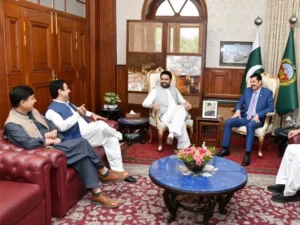
At the center of the latest efforts is Mohsin Naqvi, who held a series of high-level meetings in Tehran during a previously undisclosed visit widely viewed as part of Islamabad’s behind-the-scenes mediation strategy.
The diplomatic activity comes as US President Donald Trump weighs his next move amid a continuing deadlock with Tehran over nuclear restrictions, sanctions, and regional security demands.
Pakistan Steps Up Mediation Efforts
According to diplomatic sources, Pakistan is attempting to keep communication channels open between Washington and Tehran as both sides remain deeply divided over conditions for a long-term agreement.
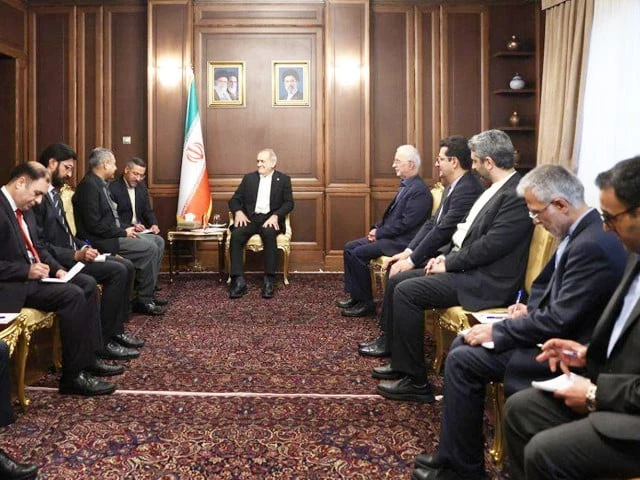
Naqvi arrived in Tehran over the weekend and reportedly spent nearly three hours at the Iranian Presidential Palace during a series of sensitive meetings involving senior Iranian leadership.
Iranian Interior Minister Eskandar Momeni and Foreign Minister Abbas Araghchi were present during discussions with Iranian President Masoud Pezeshkian.
Pakistani diplomatic officials confirmed that Naqvi also held a lengthy private meeting with President Pezeshkian lasting approximately 90 minutes.
Tehran Visit Seen as Last-Ditch Diplomatic Push
Although neither Pakistan nor Iran officially disclosed details of the discussions, regional analysts believe the visit was aimed at preventing the collapse of negotiations between Tehran and Washington.
The latest diplomatic outreach follows the first direct round of US-Iran talks held in Islamabad, which reportedly failed to produce a breakthrough.
Sources familiar with the negotiations say Pakistan remains deeply concerned that the deadlock could trigger renewed military escalation in an already unstable region.
“That is why Pakistan is pushing and persuading both sides not to give up on diplomatic efforts,” one diplomatic source said.
Iran and US Remain Far Apart
Despite several rounds of indirect exchanges and proposals, major disagreements continue to block progress between Iran and the United States.
According to reports from Iran’s semi-official Fars News Agency, Washington has proposed several conditions for a broader settlement.
The reported American demands include:
- Retention of only one operational Iranian nuclear facility
- Transfer of 400 kilograms of enriched uranium to the United States
- No compensation payments for wartime damages
- Limited access to frozen Iranian assets
- Linking ceasefire arrangements to broader regional negotiations
Iran, meanwhile, has reportedly demanded:
- An end to conflicts across multiple regional fronts
- Removal of international sanctions
- Release of frozen Iranian assets
- Compensation for damages linked to the conflict
- Recognition of Iranian sovereignty over the Strait of Hormuz
Diplomatic insiders believe Tehran may have used Islamabad as a communication channel to deliver responses to Washington’s proposals.
Pakistan Expands Regional Consultations
Beyond Tehran and Washington, Pakistan has also intensified outreach to Gulf countries and regional stakeholders to support de-escalation efforts.
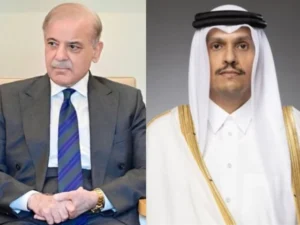
On Sunday, Prime Minister Shehbaz Sharif held a telephone conversation with Mohammed bin Abdulrahman Al Thani.
According to Pakistan’s Prime Minister’s Office, both leaders discussed regional developments and ongoing diplomatic initiatives aimed at reducing tensions.
Shehbaz Sharif reportedly thanked Qatar for supporting Pakistan’s peace efforts and praised Doha’s broader diplomatic role in regional mediation.
The two sides agreed on the importance of continued coordination and high-level engagement to address regional challenges collectively.
Pakistan’s Diplomatic Role Gains Global Attention
Pakistan’s growing involvement in the US-Iran crisis reflects Islamabad’s broader attempt to reposition itself as a credible diplomatic mediator in international affairs.
Over recent months, Pakistani officials have increasingly highlighted the country’s ability to maintain relations with rival powers including Iran, Gulf Arab states, China, and Western governments simultaneously.
Political analysts say Islamabad’s balanced approach may provide it with unique leverage during periods of regional tension.
Pakistan’s strategic geographic position and longstanding ties with multiple regional actors have also strengthened its importance in current diplomatic calculations.
Middle East Stability Remains Fragile
Despite the renewed diplomatic push, the situation remains highly volatile.
The Middle East continues to face overlapping crises involving regional proxy conflicts, nuclear negotiations, economic sanctions, and security concerns linked to vital shipping routes such as the Strait of Hormuz.
Energy markets remain particularly sensitive to any signs of escalation, with investors closely monitoring developments involving Iran and Gulf security.
Security experts warn that failure to revive negotiations could lead to broader military confrontation affecting global trade, oil supplies, and regional stability.
Analysis: Pakistan Seeking a Strategic Diplomatic Breakthrough
Pakistan’s latest diplomatic efforts suggest Islamabad is attempting to move beyond its traditional regional role and position itself as a meaningful international mediator.
By actively engaging both Tehran and Washington while coordinating with Gulf partners, Pakistan appears determined to project itself as a stabilizing force capable of facilitating difficult negotiations.
The involvement of senior Pakistani civilian and military leadership also signals how seriously Islamabad views the risks of another Middle East conflict.
For Pakistan, successful mediation could significantly improve its international standing and expand diplomatic influence at a time of rapidly shifting geopolitical alliances.
However, the complexity of US-Iran tensions means the path toward a durable agreement remains uncertain.
With both sides maintaining tough negotiating positions and regional tensions continuing to simmer, Pakistan’s diplomatic initiative may represent one of the final opportunities to prevent another dangerous escalation in the Middle East.