Youm-e-Takbeer was observed across Pakistan on Thursday with national leadership reaffirming the country’s commitment to peace, stability, sovereignty and credible deterrence on the 28th anniversary of Pakistan’s nuclear tests conducted in 1998.
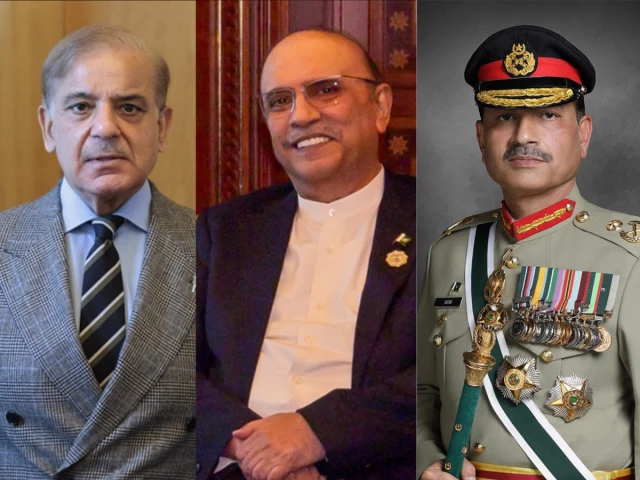
President Asif Ali Zardari, Prime Minister Shehbaz Sharif, and Pakistan’s military leadership issued separate messages marking the occasion, describing the day as a defining milestone in the country’s strategic history.
Leadership Says Pakistan Remains Peace-Loving Nation
According to official statements, both the president and prime minister stressed that Pakistan remains:
- A responsible nuclear state
- A peace-loving nation
- Respectful of international laws and norms
President Zardari said the nuclear tests conducted on May 28, 1998 established Pakistan’s deterrence capability and made the country:
- The seventh nuclear power globally
- The first Muslim-majority nuclear state
Tribute Paid to Scientists and Armed Forces
The president paid tribute to:
- Pakistani scientists
- Engineers
- Armed forces personnel
for what he described as their dedication, patriotism and professionalism in achieving a historic national milestone.
He also acknowledged the contributions of national leadership and institutions in strengthening Pakistan’s strategic defence capability.
PM Shehbaz Calls Day Symbol of National Unity
Prime Minister Shehbaz Sharif described Youm-e-Takbeer as:
- A symbol of national dignity
- Sacrifice
- Unity
- Commitment to defending the homeland
He said the day proved that the defence vision of:
- Muhammad Iqbal
- Muhammad Ali Jinnah
remains secure and protected.
Nuclear Capability Described as Strategic Deterrent
The prime minister emphasized that Pakistan’s nuclear capability and military preparedness continue serving as:
- A decisive deterrent against aggression
- A safeguard for sovereignty
- A stabilising factor in South Asia
He stated that Pakistan seeks peace while maintaining the ability to respond to threats and “adventurism in any form.”
Military Leadership Reaffirms Resolve
Pakistan’s military leadership also issued a joint statement marking the occasion.
The message was delivered on behalf of:
- Asim Munir
- Naveed Ashraf
- Zaheer Ahmed Baber Sidhu
The armed forces described Youm-e-Takbeer as:
- A defining symbol of national resilience
- Proof of Pakistan’s unity and sovereignty
- A guarantor of peace and stability
Armed Forces Call Strategic Capability “Sacred Trust”
The military statement said Pakistan’s strategic capability remains:
- A sacred national trust
- A guarantor of regional peace
- Essential for credible deterrence
The armed forces also reaffirmed their commitment to:
- Defending territorial integrity
- Safeguarding national security
- Ensuring stability and prosperity
Historic Nuclear Tests Remembered
Pakistan conducted its nuclear tests on:
- May 28, 1998
The tests took place in:
- Ras Koh Hills
under the leadership of:
- Abdul Qadeer Khan
- Samar Mubarakmand
The tests were carried out shortly after India conducted its own nuclear tests earlier that month.
Nawaz Sharif Credited for Decision
Official statements also referenced the role of former Prime Minister Nawaz Sharif in authorising the nuclear tests despite significant international pressure.
The decision was described as necessary for:
- Preserving strategic balance in South Asia
- Protecting sovereignty
- Responding to regional security realities
Pakistan Emphasises Peace and Stability
Government and military officials stressed that Pakistan’s nuclear capability is intended for:
- Defensive deterrence
- Strategic stability
- Preventing conflict
rather than aggression.
Pakistan reiterated its commitment to:
- Regional peace
- Stability in South Asia
- Responsible nuclear conduct
- International obligations
Regional Context Remains Sensitive
The anniversary comes at a time of:
- Continued regional tensions
- Heightened military rhetoric in South Asia
- Ongoing geopolitical instability across the broader region
Security analysts note that nuclear deterrence continues playing a central role in maintaining strategic balance between:
- Pakistan
- India
while also shaping regional diplomacy and military calculations.
Youm-e-Takbeer Carries Renewed Strategic Significance
This year’s Youm-e-Takbeer observance carries added significance amid evolving regional security dynamics and growing geopolitical uncertainty.
Pakistan’s leadership appears focused on presenting the country as:
- A responsible nuclear power
- A stabilising regional actor
- A nation committed to deterrence rather than escalation
The emphasis on peace, restraint and strategic balance also reflects Islamabad’s efforts to maintain international credibility while reinforcing domestic national unity.
Analysts say the anniversary serves both:
- A symbolic national purpose
- A strategic messaging role
particularly at a time when South Asia continues facing security challenges, military tensions and shifting global alliances.