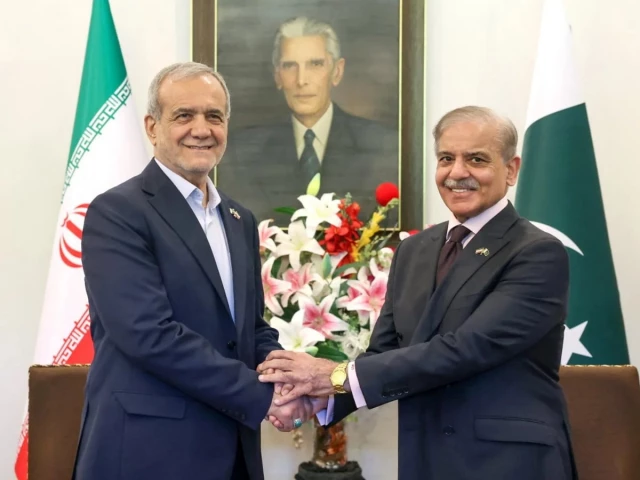
Shehbaz Sharif has expressed optimism that ongoing diplomatic efforts between Iran and the United States could soon lead to a lasting peace agreement, as Iranian President Masoud Pezeshkian praised Pakistan’s role in regional negotiations and ceasefire diplomacy.
The remarks came during a phone conversation between the two leaders on Wednesday, where they exchanged Eidul Azha greetings and discussed the evolving Middle East situation.
Iran Praises Pakistan’s Peace Efforts
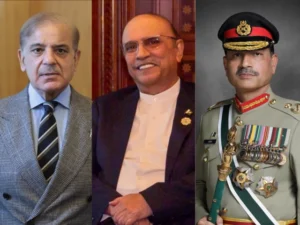
According to an official Pakistani government statement, President Pezeshkian expressed “profound gratitude” to Prime Minister Shehbaz Sharif and Asim Munir for Pakistan’s role in efforts aimed at reducing tensions in the region.
The Iranian president also acknowledged the support of:
- Saudi Arabia
- Qatar
- Turkey
in backing regional peace initiatives.
Pakistan Hopes for “Enduring Agreement”
In a separate post on X, PM Shehbaz said he hoped ongoing negotiations would soon produce:
- A durable peace settlement
- Regional stability
- Economic cooperation
- Long-term prosperity
He added:
“I reiterated Pakistan’s unwavering solidarity with the brotherly people of Iran over the tragic loss of precious lives during the current crisis.”
The prime minister also stated that both sides agreed to remain in close coordination in pursuit of lasting peace.
Pakistan Emerges as Key Diplomatic Mediator
Pakistan has increasingly positioned itself as a regional intermediary amid escalating tensions between Iran and the United States.
Following the outbreak of conflict earlier this year:
- Pakistan facilitated communication channels
- Hosted high-level Iran-US discussions in Islamabad
- Helped broker a temporary ceasefire
- Coordinated with Gulf states and international actors
Although the first round of direct talks in Islamabad reportedly ended without a final agreement, both sides continued exchanging proposals and counter-proposals afterward.
Conflict Disrupted Regional Stability
The crisis began after joint US-Israeli military operations against Iran in February, followed by Iranian retaliatory strikes targeting Israel and Gulf states hosting American assets.
The conflict has since:
- Disrupted global energy markets
- Increased tensions in the Gulf
- Threatened shipping routes
- Raised fears of wider regional war
PM Shehbaz Highlights Military and Diplomatic Coordination
According to the government statement, PM Shehbaz specifically credited Field Marshal Asim Munir for making “tireless efforts” toward regional peace.
Pakistan’s mediation strategy has reportedly involved close coordination between:
- Political leadership
- Military leadership
- Diplomatic institutions
- Regional allies
Analysts say this unified approach has strengthened Pakistan’s international standing during the ongoing crisis.
Kuwait and Malaysia Also Back Pakistan’s Role
The Pakistani prime minister also held conversations with:
- Sabah Al-Khaled Al-Sabah
- Anwar Ibrahim
Both leaders reportedly praised Pakistan’s diplomatic efforts and support for regional de-escalation.
Kuwait Supports Peace Initiative
According to Pakistan’s PM Office:
- Kuwait expressed full support for Pakistan’s mediation efforts
- The Kuwaiti leadership praised Islamabad’s role in regional stability
PM Shehbaz also reaffirmed solidarity with Kuwait over losses resulting from regional attacks during the ongoing conflict.
Malaysia Praises Pakistan’s “Remarkable Role”
Malaysian Prime Minister Anwar Ibrahim described Pakistan’s diplomatic role as “remarkable” and said the peace initiative aligned with the vision of Muhammad Ali Jinnah.
PM Shehbaz thanked Malaysia for supporting Pakistan’s diplomatic engagement and also expressed concern over the humanitarian crises in:
- Gaza
- Lebanon
Regional Diplomacy Gains Momentum
Pakistan’s recent diplomatic activity reflects its growing ambition to act as:
- A regional stabiliser
- A trusted mediator
- A bridge between rival powers
Islamabad has increasingly engaged:
- Gulf monarchies
- Iran
- Western partners
- Muslim-majority nations
in efforts aimed at preventing a broader Middle East conflict.
Economic Stakes Remain High
The PM Office noted that a successful Iran-US agreement could:
- Unlock Iran’s economic potential
- Stabilize energy markets
- Improve regional trade
- Reduce geopolitical uncertainty
Analysts say easing tensions would benefit countries across South Asia and the Gulf by lowering:
- Oil price volatility
- Security risks
- Shipping disruptions
- Investor uncertainty
Pakistan Seeking Strategic Diplomatic Role
Pakistan’s expanding involvement in Iran-US diplomacy represents one of its most visible international mediation efforts in recent years.
By maintaining ties with:
- Iran
- Saudi Arabia
- Gulf states
- Western powers
Islamabad has positioned itself as one of the few regional actors capable of communicating with all major stakeholders simultaneously.
The praise from Tehran, Kuwait, Malaysia, and Gulf countries also suggests Pakistan’s diplomatic standing has strengthened amid a volatile regional environment.
However, analysts caution that the peace process remains fragile because:
- US-Iran mistrust remains high
- Military tensions continue in the Gulf
- Ceasefire violations persist
- Regional proxy conflicts remain active
Even so, Pakistan’s mediation efforts are increasingly being viewed internationally as an important component of ongoing attempts to prevent a wider Middle East war.