Relentless Rainfall Triggers Urban Flooding in Ajman
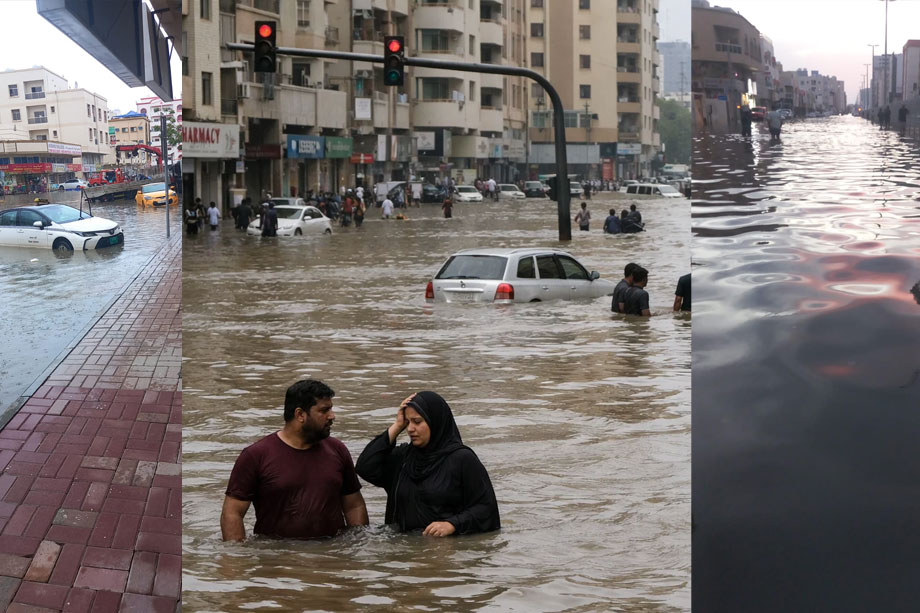
Ajman is facing a growing humanitarian concern after nearly a week of continuous rainfall led to severe flooding across several neighborhoods, particularly in Al Nuaimiya 1, 2, and 3. Residents report deteriorating conditions, with roads submerged, vehicles stranded, and essential services disrupted.
Eyewitness accounts from Al Nuaimiya 2 describe streets turning into waterlogged zones where cars remain partially submerged for hours. The persistent accumulation of rainwater has rendered several areas inaccessible, intensifying frustration among residents who say help has yet to arrive.
Emergency Services Under Scrutiny
Locals claim that repeated calls to emergency helplines, including 999, have yielded little practical response. While authorities reportedly assure callers that assistance is on the way, residents say no immediate help has materialized on the ground.
The perceived delay in response has sparked criticism of local emergency management systems, particularly as neighboring emirates such as Dubai and Abu Dhabi appear to have mobilized faster and more visible relief efforts.
Many affected families report being left without basic necessities, including food and safe shelter. Some residents say they have been waiting for days for any form of official assistance, raising concerns about the coordination and efficiency of disaster response mechanisms in Ajman.
Uneven Relief Efforts Across the UAE
The situation in Ajman contrasts sharply with reports from Dubai and Abu Dhabi, where government authorities have actively engaged in relief operations. In those emirates, emergency teams have reportedly been deployed promptly to drain floodwater, assist stranded residents, and restore normalcy.
This disparity has become a point of concern among Ajman residents, who question why similar levels of support have not reached their communities. The lack of visible intervention has amplified feelings of neglect among those most affected.
Residents Face Mounting Hardships
For many families in Al Nuaimiya, the flooding has created immediate survival challenges. With homes impacted by water intrusion and streets rendered impassable, access to food supplies and essential services has become increasingly difficult.
Some residents report that they have no alternative accommodation options, leaving them trapped in unsafe conditions. The stagnant floodwater also raises potential health risks, including waterborne diseases and sanitation concerns.
Local businesses have also been affected, with shops forced to close due to flooding, further disrupting daily life and economic activity in the area.
Weather Patterns and Infrastructure Questions
The flooding follows an unusual period of sustained rainfall across parts of the UAE, a region typically characterized by arid conditions. While authorities had issued weather alerts earlier, the scale of urban flooding in Ajman suggests possible gaps in drainage infrastructure and preparedness.
Urban planners and climate experts have increasingly warned that extreme weather events—though rare in the Gulf—are becoming more frequent due to changing global climate patterns. Cities with limited rainwater drainage systems may face heightened vulnerability during such events.
Global Context: Climate Change and Urban Resilience
The situation in Ajman reflects a broader global trend where cities are struggling to cope with sudden and intense weather changes. From flash floods in South Asia to storms in Europe, urban centers worldwide are being tested by climate volatility.
Experts emphasize the need for resilient infrastructure, improved emergency response systems, and proactive urban planning to mitigate the impact of such disasters. The events in Ajman may serve as a wake-up call for regional authorities to reassess preparedness strategies.
A Test of Crisis Management
The ongoing flooding crisis in Ajman highlights two critical issues: emergency response efficiency and infrastructure resilience. While natural factors such as heavy rainfall triggered the situation, the severity of its impact appears linked to gaps in preparedness and response coordination.
The contrast between Ajman and neighboring emirates underscores the importance of rapid mobilization and resource allocation during emergencies. Moving forward, authorities may face increasing pressure to improve disaster management systems and ensure equitable relief distribution across all regions.