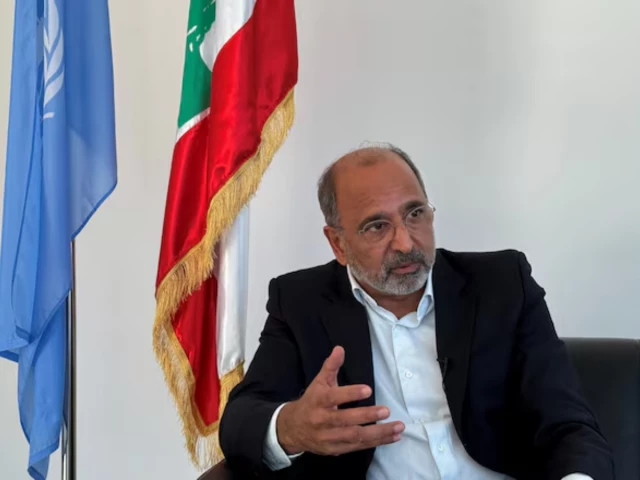
BEIRUT: The United Nations announced on Friday that it is doubling its humanitarian funding appeal for Lebanon as the ongoing regional conflict continues to drive massive displacement, food insecurity, and civilian suffering across the country.
The revised appeal seeks an additional $331.5 million to support humanitarian operations, bringing the total funding requirement to $639.9 million. The announcement comes as the war enters its fourth month and humanitarian needs continue to escalate.
Humanitarian Situation Worsening
UN Resident and Humanitarian Coordinator for Lebanon, Imran Riza, warned that conditions on the ground have deteriorated dramatically since the conflict intensified earlier this year.
“In the past three months, communities across Lebanon have faced an appalling situation due to the escalation of hostilities. The toll on civilians is alarming and worsening by the day,” Riza said.
The United Nations estimates that approximately 1.4 million people across Lebanon now require humanitarian assistance as a result of the conflict.
As of May 31, international donors had provided only $185.9 million, leaving a significant funding gap for relief operations.
Conflict Continues to Take Heavy Toll
Lebanon became increasingly involved in the broader regional conflict in March when Hezbollah launched attacks against Israel in support of Iran following US-Israeli military operations.
The subsequent escalation triggered extensive Israeli air and ground operations across southern Lebanon and other areas of the country.
According to Lebanese authorities, more than 3,500 people have been killed since March 2 in Israeli strikes. Official figures do not distinguish between civilians and combatants.
The fighting has also caused widespread destruction of homes, infrastructure, healthcare facilities, and agricultural land.
Food Security Crisis Growing
The United Nations warned that the conflict is rapidly worsening food insecurity across Lebanon.
Current projections indicate that nearly 1.24 million people, representing almost one-quarter of the country’s population, could face crisis or emergency levels of food insecurity through August.
Humanitarian agencies report that rising displacement, damaged farmland, disrupted supply chains, and economic hardship are limiting access to food and essential services.
Repeated Displacement
During recent field visits, UN officials documented families being forced to flee multiple times as violence spreads.
Riza described meeting a family in the southern coastal city of Tyre that had been displaced five separate times since the conflict began.
The UN also reported significant damage to hospitals, clinics, and public infrastructure, further complicating humanitarian response efforts.
Ceasefire Efforts Face Challenges
The humanitarian appeal comes amid continued diplomatic efforts to end the conflict.
A US-brokered ceasefire proposal announced earlier this week sought to halt fighting in Lebanon and establish new security arrangements in the south of the country.
However, the proposal has faced resistance from both sides. Hezbollah rejected key aspects of the agreement, while Israel indicated it would not withdraw its forces from Lebanese territory under the current framework.
The lack of consensus has raised concerns about the prospects for an immediate reduction in hostilities.
International Community Urged to Act
The United Nations has called on international donors, governments, and humanitarian organizations to increase support for Lebanon as the crisis deepens.
Officials warned that without additional funding, millions of vulnerable people could face worsening food shortages, inadequate healthcare, and prolonged displacement.
As diplomatic efforts continue, humanitarian agencies stress that immediate assistance remains essential to prevent further deterioration of living conditions for civilians caught in the conflict.