UN officials on Thursday called for urgent international investment in Syria as more than 1.6 million refugees returned to the country, warning that those who have the intention to return might “not return at all” without adequate services. The appeal came as Syria attempts to rebuild after a devastating 14-year war that ended with the ouster of the Bashar al-Assad regime in 2024.
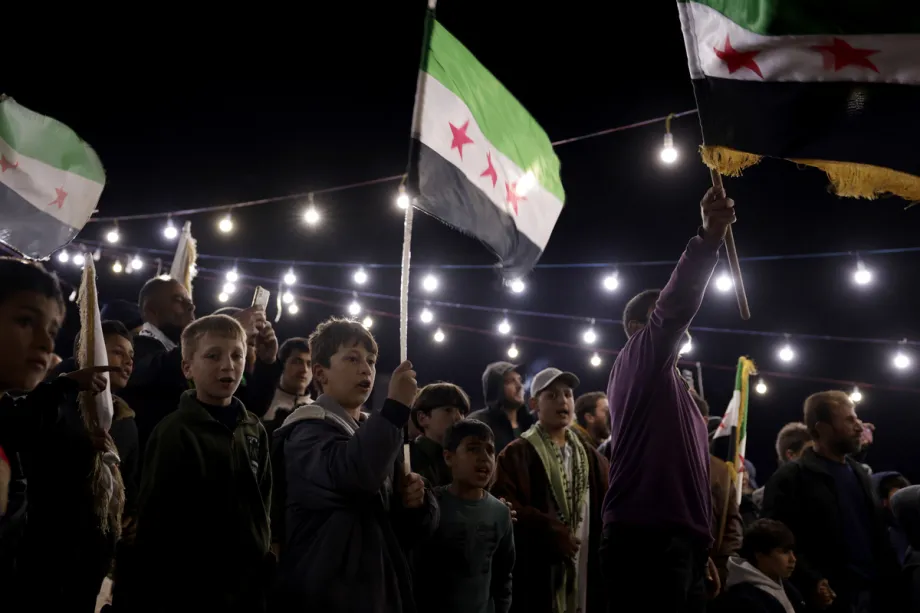
UNITED NATIONS – “Last year, more than 1.6 million people returned to Syria to reconstruct their country, to come back to the country which they left, often in dramatic circumstances,” Alexander de Croo, administrator of the United Nations Development Programme (UNDP), told reporters during a virtual briefing from Syria.
He stressed that returning Syrians face increased needs in housing, government services, and jobs following the devastating war that lasted from 2011 to 2024. “And providing those services is really crucial, because if we’re not able to provide those services, people who had the intention to return might at some point make the choice to not return at all,” he added.
The Scale of the Crisis
UN aid chief Tom Fletcher said nearly 16 million people in Syria still need humanitarian assistance, underscoring the scale of the crisis. Despite the fall of the Assad regime, the country remains fractured, with infrastructure in ruins and basic services severely limited.
“There has been real progress in the last 15 months … progress has defied a lot of pushback and many expectations,” Fletcher said. “We have to build on that progress now, which means we accelerate the humanitarian work that we’re doing, including that vital mine clearance.”
Landmines and unexploded ordnance remain a significant threat across large areas of Syria, hindering returns and reconstruction efforts. Farmers cannot plant crops, children cannot play safely, and families cannot rebuild their homes in areas contaminated by explosives.
Syria as a ‘Success Story’
Fletcher made an impassioned plea for international engagement. “The world needs a success story right now,” he said, adding that Syria could shift “from being an importer of problems … to an exporter of genuine solutions and stability.”
The UN official also stressed “the need to keep Syria out of that wider regional crisis,” stemming from the ongoing US-Israel war on Iran. The Middle East conflict, now in its second month, has displaced millions across Lebanon and threatened to draw in additional actors. Keeping Syria insulated from this broader instability is a priority for the UN.
Challenges to Return
The return of 1.6 million people represents one of the largest refugee repatriation movements in recent years. However, the challenges facing returnees are immense:
- Housing: Millions of homes have been destroyed or damaged during the war, leaving returnees without adequate shelter.
- Government services: Water, electricity, healthcare, and education systems remain severely degraded.
- Employment: The Syrian economy has been devastated, with unemployment rates exceeding 50 percent in many areas.
- Legal and property issues: Many returnees face complex legal challenges related to property ownership and documentation.
- Security: While active combat has largely ceased, the country remains fragmented, with different armed groups controlling various regions.
International Response
The UN has appealed for increased funding to support Syria’s reconstruction and humanitarian needs. However, international donors have been hesitant to commit significant resources, citing concerns about governance and the political transition following the Assad regime’s fall.
The UNDP and other UN agencies have been working on early recovery projects, including debris removal, basic infrastructure repair, and livelihoods support. But the scale of need far exceeds available resources.
Regional Context
The UN’s call for investment in Syria comes amid a broader regional crisis. The US-Israel war on Iran has disrupted global energy markets, displaced millions in Lebanon, and threatened to spread to other countries. For Syria, which is still recovering from its own civil war, the risk of being drawn into the wider conflict is a serious concern.
Fletcher’s emphasis on keeping Syria “out of that wider regional crisis” reflects the fragility of the country’s post-war stability. Any spillover could undo the progress made since the Assad regime’s fall.
A Critical Juncture
The return of 1.6 million Syrians represents both an opportunity and a challenge. On one hand, it signals that Syrians believe the country has stabilized enough to return—a hopeful sign after more than a decade of displacement. On the other hand, the lack of services and infrastructure threatens to turn that hope into disillusionment.
As de Croo warned, if returning Syrians find themselves without housing, jobs, or basic services, they may choose to leave again—or, worse, never return. The international community faces a choice: invest in Syria’s reconstruction and stability, or watch as the country slides back into crisis.
The world needs a success story, Fletcher said. Syria could be that story. But success will require resources, political will, and a sustained commitment from the international community. Without it, the 1.6 million who have returned may soon be joined by millions more leaving—again.