HAVANA — The United States intensified pressure on Cuba’s communist authorities Tuesday, demanding sweeping free market reforms as the impoverished island scrambled to recover from a nationwide electricity blackout that laid bare the fragility of its economy.
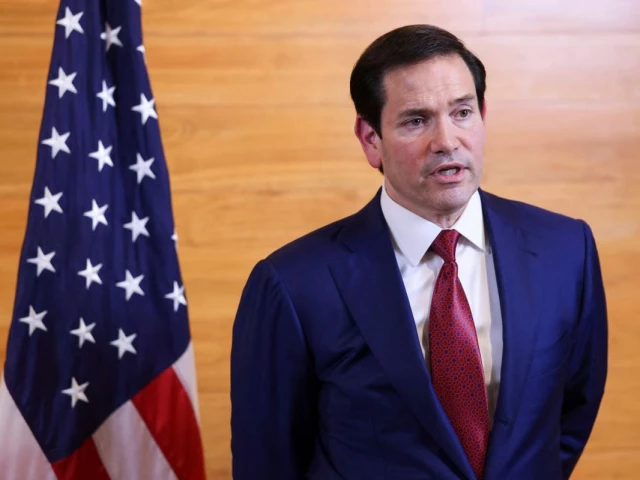
Secretary of State Marco Rubio, a Cuban-American and longtime vocal critic of the island’s ruling party, dismissed a recent Cuban government announcement allowing exiles to invest and own businesses as insufficient to address the country’s deep-seated economic problems.
“What they announced yesterday is not dramatic enough. It’s not going to fix it. So they’ve got some big decisions to make,” Rubio told reporters at the White House.
President Donald Trump, who just Monday declared he would “take” Cuba, added: “We’ll be doing something with Cuba very soon.”
Crushing Pressure
Cuba’s authorities are under increasingly intense pressure, with Washington openly stating its desire to end the nearly seven-decade standoff between the United States and the one-party communist state on terms favorable to American interests.
The latest US demands come as Cuba reels from a total electricity breakdown on Monday, the most dramatic sign yet of the parlous state of the island’s economy. The blackout left 10 million Cubans without power, highlighting the collapse of energy infrastructure that has plagued the country for months.
Loss of Key Ally
Cuba’s position has grown significantly more precarious following the loss of Venezuela as its chief regional ally and oil supplier. In January, a US military operation toppled Venezuelan socialist leader Nicolás Maduro, severing the lifeline of discounted oil that had helped keep Cuba’s economy afloat for years.
Without Venezuelan crude, Cuba’s already obsolete power generation system has ground to a halt. Daily blackouts of up to 20 hours have become the norm in many parts of the island, fueling public frustration and sporadic protests.
Limited Reforms
In a bid to relieve economic pressure and generate much-needed foreign currency, a senior Cuban economic official announced Monday that Cuban exiles would now be able to invest in and own businesses on the island. The measure was seen as a modest step toward opening an economy long dominated by the state.
But for Washington, the gesture falls far short of the fundamental changes US officials say are necessary. Rubio’s characterization of the move as insufficient suggests the Trump administration will continue to press for more dramatic liberalization.
What Comes Next?
With Trump promising action “very soon” and Rubio signaling no let-up in pressure, Cuba faces an uncertain immediate future. The island’s leadership must navigate between the demands of its domestic political base, which remains committed to socialist principles, and the stark reality of an economy in freefall.
For ordinary Cubans, the combination of US pressure, economic collapse, and energy crisis means continued hardship. Whether the government can—or will—implement the kind of changes Washington demands remains an open question.
As one Havana resident put it: “We’ve been living through crisis for years. But this feels different. This feels like the bottom.”