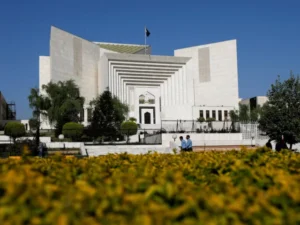
A high-level consultative session at the Aiwan-e-Sadr decided on Monday not to impose a nationwide smart lockdown, following global fuel supply disruptions caused by the ongoing war in the Middle East. Provincial administrations objected to the proposal, after which the federal government decided not to implement such restrictions, sources told The Express Tribune.
ISLAMABAD – A series of high-level meetings at the presidency outlined the federal government’s comprehensive strategies to protect citizens from rising economic pressures, ensure uninterrupted fuel supply, and address regional security concerns amid growing global uncertainty. But one proposal—a nationwide smart lockdown to conserve fuel—failed to gain traction.
The meeting, chaired by President Asif Ali Zardari and attended by Prime Minister Shehbaz Sharif, key federal ministers, all four provincial chief ministers, and the leadership of Gilgit-Baltistan and Azad Jammu and Kashmir, reviewed current challenges and formulated coordinated responses. The proposed smart lockdown was discussed but ultimately rejected.
Sources said provincial administrations objected to the proposal, leading the federal government to decide against implementing such restrictions. The president instead directed authorities to accelerate measures to provide relief to the public.
Fuel Supply Remains Uninterrupted
Despite global and regional pressures, participants were informed that Pakistan’s fuel supply has remained uninterrupted, reserves are adequate, and preparations for potential contingencies are under way.
President Zardari emphasized that no economically vulnerable segment would be left unsupported during difficult times. He called for public awareness campaigns promoting fuel conservation and increased use of public transport.
The provinces reported active measures to control inflation, secure essential commodities, and minimize hardships for citizens. Participants agreed that a nationally coordinated strategy would ensure greater effectiveness and institutional alignment across government departments.
Prime Minister’s Austerity Campaign
Prime Minister Shehbaz Sharif chaired a separate session to assess petroleum availability, domestic reserves, and public relief initiatives. Officials confirmed that timely government interventions had prevented any disruption in fuel supply despite volatility triggered by the Gulf crisis.
The prime minister underlined the importance of austerity under his ‘Savings and Simplicity’ campaign, citing expenditure cuts, reductions in the development budget, and grounding 60% of official vehicles as steps to reallocate savings toward public welfare.
Proposals to increase fuel prices had been repeatedly rejected, with the resulting savings redirected toward cushioning the impact of global energy costs on ordinary citizens, the participants were informed.
An audit report from the Intelligence Bureau confirmed compliance with austerity and fuel-saving measures, and officials stated that strict implementation was being maintained across relevant departments.
Targeted Relief Measures
Coordination with provincial governments to expedite ownership registration for motorcycles and rickshaws was highlighted, enabling a broader segment of transport users to benefit from targeted relief programmes.
Officials also informed the meeting that levies on high-octane fuel for luxury vehicles had been increased, but jet fuel prices remained unchanged to avoid additional pressure on aviation and critical sectors. Sufficient stocks of essential medicines were also confirmed.
Diplomatic Front
Deputy Prime Minister and Foreign Minister Ishaq Dar briefed participants on Pakistan’s active international engagement, including recent contacts with Turkey, Saudi Arabia, and Egypt, and updated them on his upcoming visit to Beijing.
Following the meetings, Khyber-Pakhtunkhwa Chief Minister Suhail Afridi reiterated that no decision had been taken to impose a smart lockdown due to differing views among the provinces. He stressed Pakistan’s role in promoting peace, noting that the Muslim world looks to the country during crises, and affirmed that Pakistan would not participate in any war.
The Scrapped Lockdown
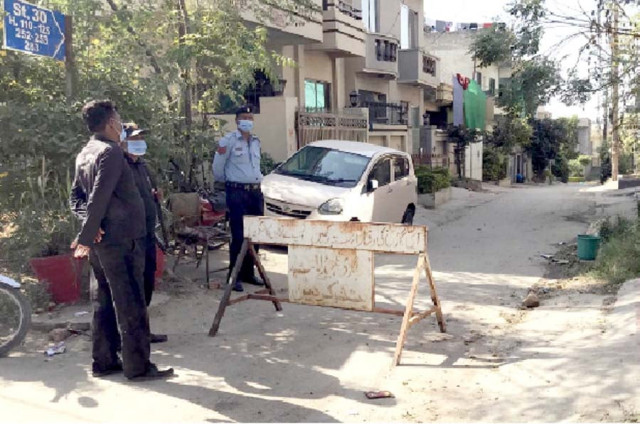
The smart lockdown proposal had been under consideration as part of a broader strategy to manage the country’s energy resources more efficiently amid the Middle East crisis. The plan would have involved targeted restrictions in specific areas rather than province-wide shutdowns, limiting movement in designated neighborhoods and restricting gatherings.
Under the proposed system, only essential activities would have been permitted under strict monitoring, with no more than four individuals allowed to gather at a time. Public events, social gatherings, and celebrations would have been banned, and affected localities could have been sealed to control movement.
However, provincial opposition—rooted in concerns about economic impact and implementation challenges—ultimately led to the proposal’s demise.
A Victory for Provincial Autonomy
The scrapping of the smart lockdown proposal represents a significant victory for provincial autonomy. Provincial chief ministers, facing the immediate economic and social consequences of any restrictions, pushed back against a federal initiative they viewed as impractical and potentially harmful.
For the federal government, the decision reflects a pragmatic recognition that energy conservation measures require provincial buy-in to be effective. With provinces reporting their own active measures to control inflation and secure essential commodities, a coordinated but not coercive approach emerged from the Aiwan-e-Sadr meetings.
The focus now shifts to targeted relief measures: subsidies for two- and three-wheelers, austerity in government spending, and diplomatic efforts to address the root causes of the energy crisis. The smart lockdown may be off the table, but the challenges that prompted its consideration remain.
As K-P Chief Minister Afridi noted, Pakistan will not participate in any war. But the country is already bearing the economic costs of a conflict it did not choose. The challenge for federal and provincial governments is to protect citizens from those costs—without imposing new restrictions that would add to their burdens.