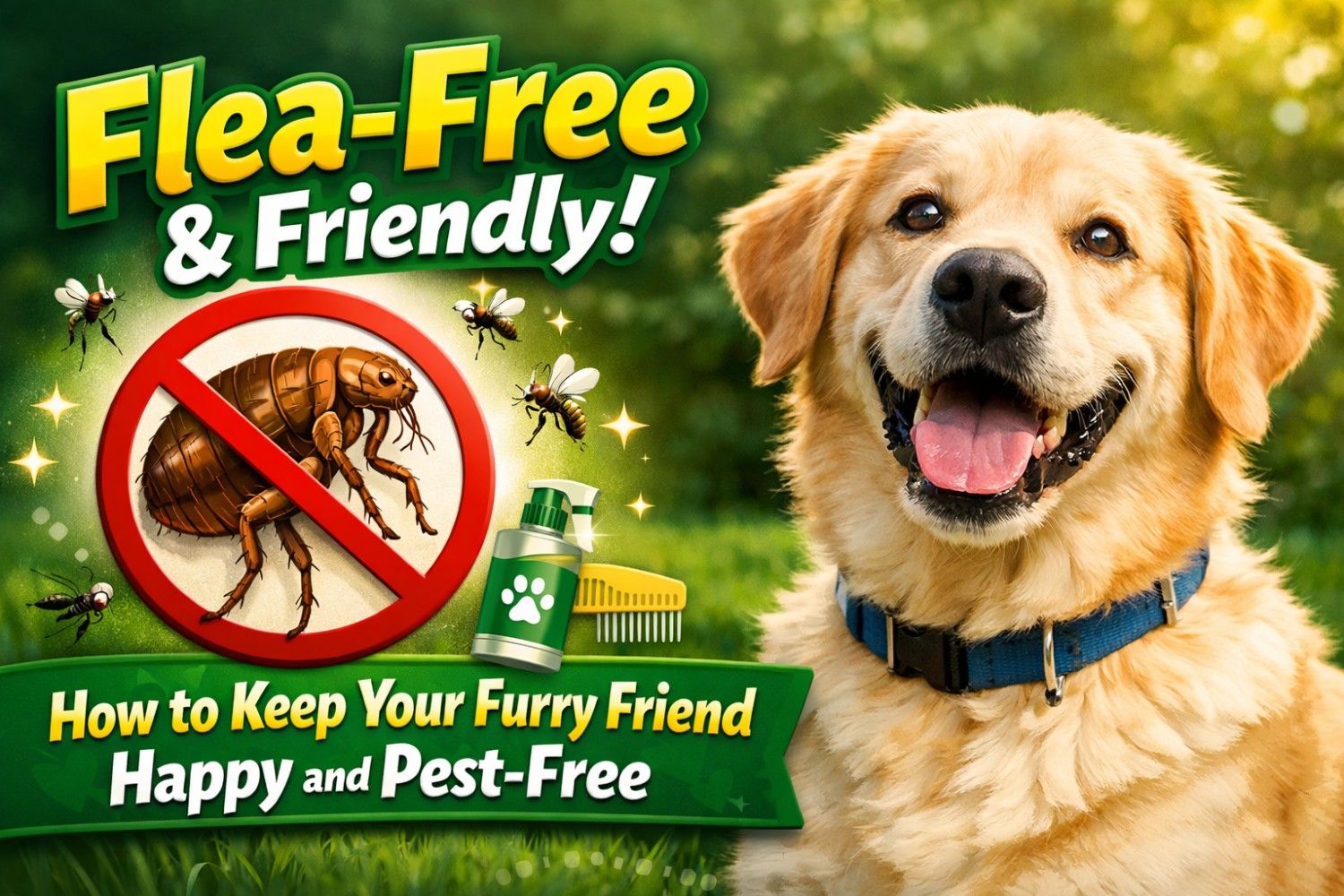
When we think about pet care and fleas, the first image that often comes to mind is a dog scratching endlessly in the backyard. However, effective pet care goes far beyond just soothing an itch. It requires a deep understanding of the hidden dangers these tiny parasites bring into our homes. Fleas and ticks are not merely a summertime nuisance; they are carriers of diseases that can make your pet seriously ill and trigger severe allergic reactions that compromise their quality of life.
As a responsible pet parent, mastering the art of prevention is the most critical component of your routine. This guide will walk you through everything you need to know about the risks, the symptoms to watch for, and the best strategies to keep your companion safe, happy, and parasite-free.
Why “Just an Itch” is Never Just an Itch
It is easy to underestimate the impact of a flea or tick bite. After all, they are small, and a little scratching seems harmless. However, the biological reality is that these parasites are equipped to exploit your pet’s body for their survival, often leaving a trail of health complications in their wake.
The Flea: A Biological Weapon of Mass Discomfort
Fleas are the most common external parasite affecting dogs and cats worldwide. Their entire life cycle is designed for proliferation, which is why an infestation can spiral out of control so quickly. But beyond the annoyance of biting, fleas pose three major threats.

1. Flea Allergy Dermatitis (FAD)
For many pets, a single flea bite can lead to weeks of misery. Flea Allergy Dermatitis is the most common dermatological disease in domestic animals. It occurs when a pet’s immune system overreacts to proteins in the flea’s saliva. The result is intense, unrelenting itching that drives the animal to bite, chew, and scratch obsessively. This self-trauma leads to hair loss, open sores, and secondary bacterial infections, turning a simple parasite problem into a complex veterinary case.
2. Anemia
Because fleas are blood feeders, a heavy infestation can drain enough blood to cause anemia. This is particularly dangerous for puppies, kittens, or frail senior pets. Symptoms include lethargy, pale gums, and weakness. In severe cases, flea anemia can be life-threatening, requiring immediate veterinary intervention, including blood transfusions.
3. Disease Transmission
Fleas are mobile Petri dishes. They can transmit tapeworms to your pet if ingested during grooming. More alarmingly, they are vectors for diseases like Bartonellosis (the bacteria behind Cat Scratch Disease), which can affect humans as well.
The Tick: A Tiny Vector of Devastating Disease
If fleas are a nuisance, ticks are a genuine health crisis waiting to happen. They are second only to mosquitoes in their capacity to transmit disease to humans and animals. Unlike fleas, which mainly cause irritation, ticks inject pathogens directly into the bloodstream.
- Lyme Disease: Transmitted by deer ticks, this causes fever, lameness, and swollen joints in dogs. If left untreated, it can lead to fatal kidney complications.
- Rocky Mountain Spotted Fever: This serious bacterial disease causes fever, joint pain, and neurological issues.
- Tick Paralysis: Some ticks produce a neurotoxin in their saliva that can cause progressive paralysis, starting in the hind legs and moving forward. If the tick is not found and removed, this can lead to respiratory failure.
Given these risks, it is clear that hoping for the best is not a strategy. You need a proactive plan.
Building Your Defense: A Step-by-Step Plan for Pet Care and Flea Prevention
Implementing a solid prevention plan is the only way to ensure your pet never suffers from the conditions listed above. Here is how to build a fortress of protection around your furry family member.

1. Consult Your Veterinarian (The First Step)
The most important step in pet care and fleas is professional guidance. Your veterinarian understands the specific parasite risks in your geographic area. They can recommend the safest and most effective products based on your pet’s species, age, weight, and health history.
Never use a product intended for a dog on a cat. Many canine flea and tick preventives contain permethrin, which is highly toxic and can be fatal to cats. A vet will help you navigate the various options:
- Topical Treatments: Applied to the skin, usually on the back of the neck, providing month-long protection.
- Oral Medications: Chewable tablets that kill fleas and ticks when they bite your pet.
- Collars: Some modern collars provide up to 8 months of continuous protection.
2. Treat the Environment
For every adult flea you see on your dog, there are hundreds of eggs, larvae, and pupae developing in your home. If you only treat the pet, you are missing the majority of the problem.
To break the flea life cycle, you must treat the environment. Wash all pet bedding in hot, soapy water weekly. Vacuum carpets, rugs, and furniture frequently, paying special attention to areas where your pet sleeps. Immediately dispose of the vacuum bag or canister contents in an outside trash can to prevent fleas from escaping back into your home.
3. Master the Art of the Daily Check
In addition to chemical preventives, your hands are a powerful tool.
- Groom and Check: Make it a habit to run a flea comb through your pet’s fur. Look for “flea dirt”—tiny black specks that look like pepper. If you put these specks on a wet paper towel and they turn reddish-brown, it is digested blood and a sure sign of an infestation.
- Tick Patrol: If your pet has been in wooded or grassy areas, do a thorough tick check. Run your hands over their entire body, feeling for small bumps. Pay close attention to the head, neck, ears, and feet.
- Safe Removal: If you find a tick, grasp it with fine-tipped tweezers as close to the skin as possible and pull upward with steady pressure. Do not twist, as this can cause the mouthparts to break off and remain in the skin.
4. Maintain Good Website Hygiene (For Your Blog)
If you are running a website dedicated to animals, remember that user experience matters. Just as you clean your pet’s environment, you must clean your website’s backend. Ensure your site has fast website speed by optimizing images and using a reliable hosting service. A slow website will drive readers away, no matter how good your advice is.
The Role of Imagery and Internal Links in Pet Education
When publishing content online, especially about health topics, visuals are crucial. You should add images with alt text to every post. For example, an image of a tick buried in skin should have alt text like: “Close-up of tick embedded in dog skin requiring removal.” This helps search engines understand your content and makes your site accessible to visually impaired readers using screen readers.
Furthermore, to keep readers engaged and learning, you should add internal links to other relevant articles on your site. For instance, within this article, you might link to other posts such as:
- “The Best Shampoos for Sensitive Skin”
- “A Guide to Seasonal Pet Allergies”
- “How to Perform a Home Health Check on Your Dog”
These internal links help establish your site as an authority on pet wellness and keep visitors browsing longer.

Conclusion: Care Now Prevents Carlessness Later
When we talk about pet care and fleas, we are talking about the fundamental responsibility of pet ownership. It is easy to focus on the fun stuff—the walks, the treats, the belly rubs. But true love means being vigilant about the invisible threats that can undermine our pets’ health.
Fleas and ticks are not just a fact of life; they are a clear and present danger. By understanding the enemy, partnering with your veterinarian, maintaining a clean environment, and staying vigilant with daily checks, you are ensuring that your companion can enjoy every game of fetch safely.
Remember, the best care is the kind that prevents a problem before it starts. Don’t wait for the scratching to begin. Take action today.