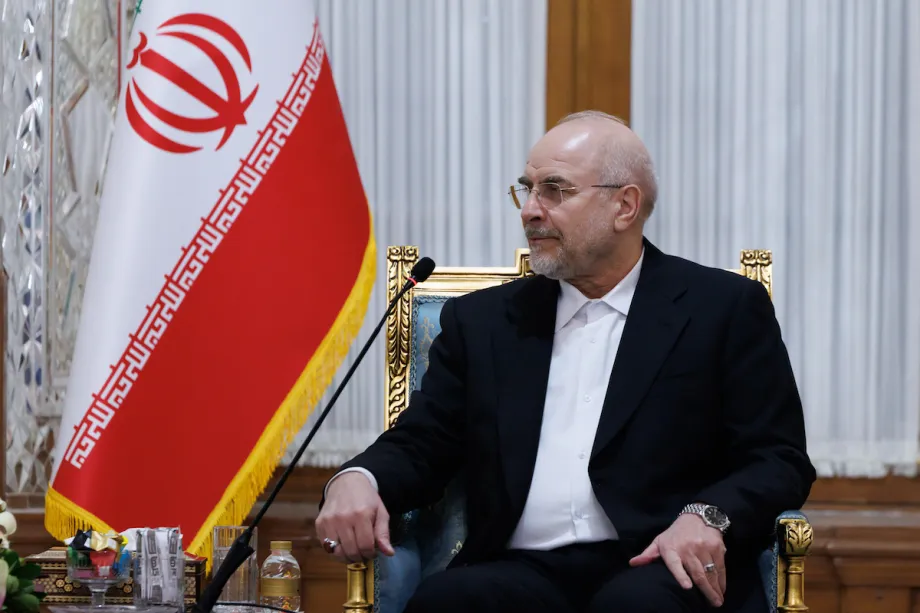
TEHRAN – As diplomatic efforts to end the Middle East conflict continue, Iran’s leadership has issued a explosive new accusation that threatens to further destabilize the region. Mohammad Bagher Qalibaf, speaker of Iran’s parliament, claimed Wednesday that the US and Israel are preparing an operation to occupy one of Iran’s islands, with backing from an unnamed country in the region.
“Based on some data, the enemies of Iran, with the support of one of the countries in the region, are preparing an operation to occupy one of Iran’s islands,” Qalibaf said in a post on X. While he did not name the regional country allegedly involved, the accusation adds a dangerous new dimension to the already volatile confrontation between Iran and its adversaries.
The parliament speaker warned that Iran’s armed forces are monitoring all “enemy movements” and would respond with overwhelming force if any action is taken. “If they take any step, all vital infrastructure of that regional country will be targeted without restrictions by relentless attacks,” he threatened.
The Strategic Significance of Iran’s Islands
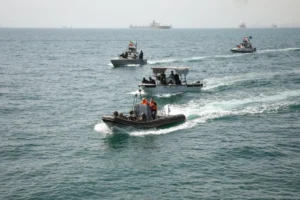
Iran controls several islands in the Strait of Hormuz that hold immense strategic importance. The islands of Abu Musa, Greater Tunb, and Lesser Tunb are located at the entrance to the strait, through which approximately one-fifth of the world’s oil passes. Control over these islands would effectively command access to the waterway, giving any occupying power significant leverage over global energy supplies.
While Qalibaf did not specify which island he was referring to, the accusation immediately raised concerns about potential military action targeting these strategic outposts. Any attempt to seize Iranian territory would represent a dramatic escalation of the conflict that has been raging since February 28, when US and Israeli forces launched strikes against Iranian nuclear and military installations.
The accusation also introduces a new element of uncertainty regarding the involvement of regional countries. Qalibaf’s reference to “one of the countries in the region” supporting the alleged operation suggests that Iran believes Gulf Arab states may be cooperating with US and Israeli plans—a development that would dramatically expand the conflict’s geographic scope.
Escalating Rhetoric Amid Diplomatic Efforts
The parliament speaker’s statement comes at a critical juncture in diplomatic efforts to end the conflict. Pakistan has positioned itself as a key mediator, with Prime Minister Shehbaz Sharif formally offering to host US-Iran talks in Islamabad. President Donald Trump’s repost of the prime minister’s offer was seen as a positive signal of Washington’s openness to dialogue.
However, Iran’s latest accusations suggest that Tehran remains deeply suspicious of its adversaries’ intentions. The claim of an island occupation plot, even if unsubstantiated, reflects the deep mistrust that continues to characterize relations between Iran and its regional rivals.
The accusation also follows Iran’s military declaration earlier this week that the situation in the Strait of Hormuz “will not return to the past,” with Tehran asserting its authority over transit through the strategic waterway. Together, these statements suggest that Iran is preparing to defend its territorial claims and strategic position regardless of diplomatic developments.
The Human Toll Continues
The conflict has already exacted a devastating toll on all sides. According to figures cited by Anadolu, US and Israeli airstrikes have killed more than 1,340 people in Iran since February 28, including former Supreme Leader Ayatollah Ali Khamenei. The strikes have targeted nuclear facilities, military installations, and energy infrastructure, while also causing widespread damage to civilian structures.
Iran has retaliated with drone and missile strikes targeting Israel, along with Jordan, Iraq, and Gulf countries hosting US military assets. These attacks have caused casualties and damage to infrastructure while disrupting global markets and aviation. The tit-for-tat escalation has raised fears of a wider regional war that could draw in additional powers.
The Iranian Red Crescent has reported that more than 82,000 civilian structures have been damaged or destroyed in the strikes, including over 62,000 homes, 281 medical facilities, and 498 schools. The destruction has created a humanitarian crisis that continues to deepen as the conflict continues.
Regional Implications of the Accusation
Qalibaf’s accusation carries significant implications for the Gulf region. By threatening to target the “vital infrastructure” of any regional country that supports an island occupation, Iran is sending a clear message to Gulf Arab states: any involvement in the conflict on the side of the US and Israel will be met with devastating retaliation.
The threat is particularly significant given that several Gulf countries host US military bases and have been targeted by Iranian drone and missile strikes in previous rounds of retaliation. The United Arab Emirates, Qatar, and Kuwait have all been affected by the conflict, with Iranian strikes damaging infrastructure and disrupting daily life.
For the United States, Iran’s accusation and threats complicate efforts to maintain regional alliances while pursuing diplomatic solutions. Any perception that Gulf allies are preparing to support military action against Iran could push Tehran to act preemptively, potentially triggering the very escalation that diplomacy seeks to prevent.
Pakistan’s Mediation Role in Jeopardy?
The latest escalation in rhetoric comes as Pakistan’s mediation efforts face their most serious test. Prime Minister Shehbaz Sharif’s offer to host US-Iran talks in Islamabad received an extraordinary boost when President Trump reposted it on Truth Social, suggesting Washington’s openness to the initiative.
However, Iran’s hardened position—including its assertion of control over the Strait of Hormuz and now its accusation of an island occupation plot—suggests that Tehran may not be prepared to compromise on what it sees as fundamental strategic interests. The gap between Iran’s demands and what the US is prepared to concede appears to be widening, even as backchannel communications continue.
Deputy Prime Minister and Foreign Minister Ishaq Dar has held telephone conversations with his Iranian, Turkish, and Egyptian counterparts in recent days, emphasizing the importance of dialogue and diplomacy. But translating these contacts into formal negotiations will require both sides to demonstrate flexibility that, at present, appears in short supply.
A Dangerous New Dimension
Iran’s accusation that the US and Israel are planning to occupy one of its islands introduces a dangerous new element to an already volatile conflict.
For Tehran, the accusation serves multiple purposes. Domestically, it reinforces the narrative of external threat that has been central to the regime’s messaging throughout the conflict. Regionally, it warns Gulf states against any involvement in the conflict on the side of Iran’s adversaries. Globally, it signals to the United States that any military action against Iranian territory will be met with disproportionate retaliation.
For the United States and Israel, the accusation presents a challenge. If it is based on genuine intelligence, it suggests that plans are being developed for a significant escalation of the conflict. If it is intended as propaganda, it still creates a climate of heightened tension in which miscalculations become more likely.
The threat to target the “vital infrastructure” of any regional country supporting the alleged operation raises the stakes for Gulf states. Several countries in the region have already been targeted by Iranian strikes, and the threat of expanded retaliation could prompt them to reconsider their posture toward the conflict.
As the five-week conflict continues, with no end in sight, the danger of escalation remains acute. Pakistan’s mediation efforts offer a potential off-ramp, but Iran’s latest accusations suggest that Tehran may be preparing for a prolonged confrontation rather than a negotiated settlement. Whether diplomacy can overcome these obstacles will depend on the willingness of all parties to step back from the brink—a prospect that appears increasingly remote.