United States President Donald Trump has issued one of his strongest warnings yet to Iran, declaring that “the clock is ticking” for Tehran to reach a peace agreement with Washington as regional tensions intensify following a drone strike near a nuclear facility in the United Arab Emirates.
The sharp warning came amid growing fears that the fragile ceasefire surrounding the ongoing Iran conflict could collapse, potentially dragging the wider Middle East into a deeper and more dangerous confrontation.
According to reports, Trump warned that if diplomatic efforts fail, “there won’t be anything left” of Iran, signaling increasing frustration in Washington over stalled negotiations related to Tehran’s nuclear program and regional military activities.
Tensions Rise After UAE Nuclear Facility Incident
The warning followed a major security incident in the UAE after drones entered Emirati airspace and triggered a fire near the Barakah Nuclear Power Plant, the Gulf nation’s first nuclear energy facility.
UAE authorities confirmed that one drone struck an external electrical generator outside the plant’s inner security perimeter, causing a fire that was later contained without radiation leaks or casualties. Officials stressed that the nuclear facility itself remained operational and secure.
The attack immediately raised alarm across the Gulf region, with international agencies warning about the dangers of military activity near civilian nuclear infrastructure.
The International Atomic Energy Agency expressed “grave concern” and called for maximum restraint to avoid a wider regional catastrophe.
Trump Increases Pressure on Tehran
Trump’s latest remarks reflect mounting pressure on Iran as negotiations over nuclear restrictions and sanctions relief remain deadlocked.
In statements posted on Truth Social and repeated during interviews, Trump insisted that Iran must move quickly toward a deal with the United States or face severe consequences.
Sources close to the negotiations suggest Washington is demanding strict limitations on Iran’s uranium enrichment program, including proposals to reduce the number of operational nuclear facilities and transfer enriched uranium stockpiles out of Iran.
Iran, however, has reportedly rejected several American conditions, insisting on sanctions relief, compensation for wartime damages, and recognition of its strategic interests in the Strait of Hormuz.
Diplomatic Deadlock Deepens
Despite Trump’s threats, diplomatic channels remain active. Reports indicate the White House is still awaiting a revised Iranian proposal in hopes of preventing renewed escalation.
However, political analysts warn that both sides remain far apart on key issues, making a breakthrough increasingly difficult.
The current standoff has already triggered global economic anxiety, particularly in energy markets. Oil prices surged to multi-week highs following the UAE drone incident and Trump’s warning, as investors feared possible disruptions to Gulf shipping routes and energy supplies.
Gulf States on High Alert
Regional governments have reacted cautiously but firmly to the latest developments.
Saudi Arabia condemned the attack near the UAE nuclear facility and reaffirmed support for Emirati security measures. Meanwhile, Britain announced the deployment of upgraded missile defense systems to the Middle East to counter growing drone threats.
Security experts say Gulf nations are increasingly concerned that proxy conflicts involving Iran-aligned groups could target critical infrastructure across the region, including oil facilities, ports, and energy networks.
The UAE described the drone incident as a “dangerous escalation” and warned against attacks on civilian infrastructure that could threaten regional stability.
Pakistan Emerging as Diplomatic Mediator
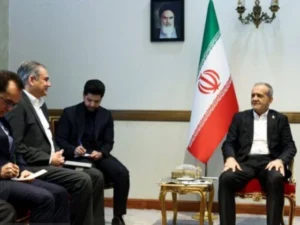
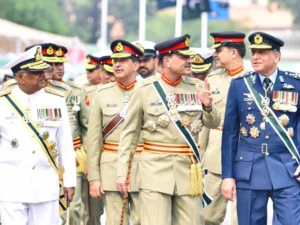
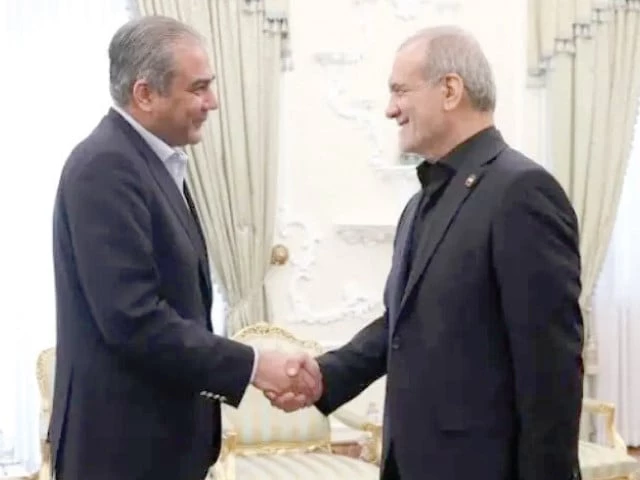
Amid rising tensions, Pakistan has quietly intensified diplomatic engagement between Tehran and Washington.
Recent reports indicate that Islamabad has been facilitating communication efforts aimed at preserving the ceasefire and encouraging renewed negotiations between Iran and the United States.
Pakistan’s involvement highlights its growing regional diplomatic role as it attempts to balance relations with Iran, Gulf Arab states, China, and Western powers simultaneously.
Analysts believe Islamabad’s mediation efforts could become increasingly important if direct communication channels between Tehran and Washington continue to weaken.
Analysis: A Dangerous Turning Point for the Middle East
Trump’s “clock is ticking” warning marks a significant escalation in rhetoric at a time when the Middle East is already facing one of its most fragile security environments in years.
The combination of stalled nuclear talks, drone warfare, regional proxy tensions, and attacks near critical infrastructure has increased fears of a broader conflict that could destabilize global energy markets and disrupt international trade routes.
Experts warn that even limited military escalation around the Strait of Hormuz could have severe consequences for oil exports and the global economy, especially as inflationary pressures remain high worldwide.
For Iran, the challenge remains balancing national sovereignty with mounting economic and military pressure. For the United States and its allies, preventing the conflict from spiraling into a wider regional war has become an urgent priority.
As diplomacy struggles to gain momentum, the coming weeks may prove critical in determining whether the region moves toward negotiation—or another dangerous phase of confrontation.